
The Future of Green and Sustainable Homes in Ghana
People, communities, and governments must begin factoring in the environment daily. The urgency of the issues caused by humans stems from their rapid escalation. The world’s population is expanding quickly, leading to a corresponding increase in the demand for energy, food, water, space, and resources needed to support the rising numbers.
However, these resources are not limitless. This paper will emphasize the significance and advantages of individuals adopting eco-conscious lifestyles. In a time where environmental awareness is more than just a fad, eco-friendly homes are not merely a luxury but a necessity. The growth of sustainable living represents a shared endeavor to minimize our carbon footprint and coexist with the Earth.
Green and Sustainable Homes in Ghana are built or retrofitted to conserve resources, optimize energy and water use, and last longer with quality systems. It is built with low-impact, high-performance materials that are efficient in manufacturing, shipping, and installation.
This blog aims to explore the benefits, challenges, and future of green and sustainable homes in Ghana.
Understanding The Future of Green and Sustainable Homes in Ghana
A green home is a type of residence created to be environmentally sustainable. These homes prioritize the efficient use of energy, water, and construction materials. A green home might incorporate sustainably sourced, eco-friendly, and/or recycled building materials.
A sustainable house is designed to have minimal negative impact on the environment. Sustainability involves energy efficiency, avoiding harmful environmental toxins, and responsibly using materials and resources, while also benefiting the physical and psychological well-being of its residents.
When comparing green vs. sustainable design, the primary difference is that sustainability design is a broad ideology that considers social, environmental, performance, and financial implications. The green design focuses more on the environmental aspects.
Some key features of green sustainable homes are insulation, water conservation, renewable energy, smart technology, Energy Star appliances, reclaimed wood, natural lighting and ventilation.
Learn: Types of Houses in Ghana: Your Comprehensive Guide
The current state of green and sustainable homes in Ghana
Ghana, known for its vibrant cultural heritage and natural beauty, is also part of the global shift towards sustainability. Recently, the country has seen a rise in eco-friendly real estate projects, led by innovative developers who understand the importance of balancing economic development with environmental conservation.
Traditionally, Ghana’s construction industry prioritized meeting the increasing demand for housing and commercial spaces, often neglecting environmental concerns. However, a shift is occurring, with a new trend of sustainable development gaining momentum. Developers, architects, and urban planners are adopting innovative methods and technologies to create eco-friendly buildings and communities. These efforts aim to lower carbon footprints and promote healthier, more sustainable living.
The Ghanaian government has introduced policies and regulations to encourage sustainable construction practices, energy efficiency, and environmental protection. These initiatives offer incentives for developers to embrace green building methods and comply with strict environmental standards.
however, challenges like initial cost barriers, lack of skilled labor, and regulatory and policy challenges still need to be addressed.
Read more about: Own Your Perfect Modern house in Ghana
Benefits of green and sustainable homes in Ghana
- Reduced operating costs: Energy-efficient buildings and water conservation lead to significant cost savings for residents and property owners, as they lower utility bills and maintenance expenses, enhancing the long-term affordability of sustainable developments.
- Improved indoor air quality and health: Sustainable developments frequently include features like natural ventilation, green roofs, and non-toxic building materials that improve indoor air quality. This creates a healthier living environment for residents, lowering the risk of respiratory problems and other health issues.
- Increased property values: As environmental awareness rises; eco-friendly and sustainable properties are becoming more sought after. This growing demand can result in higher property values and improved resale prospects for owners of sustainable developments.
- Contribution to sustainable communities: By adopting sustainable development practices, Ghana is both conserving its natural resources and fostering sustainable communities. These communities enhance social cohesion, economic prosperity, and environmental stewardship, ensuring a better quality of life for present and future generations.
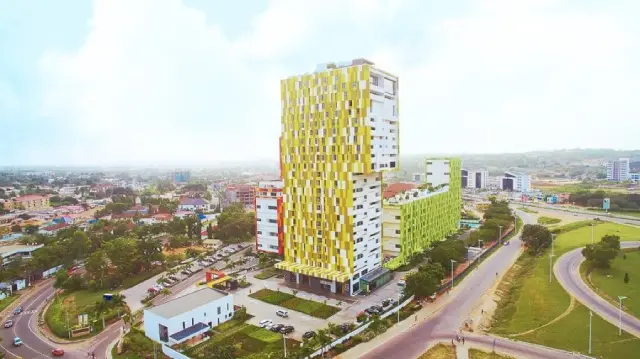
The future of green and sustainable homes in Ghana
In a time when sustainability is not just a trend but a necessity, the real estate sector in Ghana is experiencing a significant green transformation. As awareness of environmental concerns rises and the demand for eco-friendly living spaces increases, sustainable real estate practices are becoming the focal point.
Ghanaians are progressively adopting eco-friendly lifestyles, leading to a rising demand for green and sustainable living spaces. As a signatory to international agreements like the Paris Agreement, Ghana demonstrates its dedication to cutting carbon emissions. This commitment extends to the real estate sector, driving developers to embrace sustainable practices.
How to accelerate the adoption of green sustainable homes in Ghana:
- Government Incentives and Policies: Implement and expand incentives for developers and homeowners to build or retrofit homes with sustainable technologies. This could include tax breaks, subsidies, or grants for green building projects.
- Public Awareness Campaigns: Increase awareness about the benefits of sustainable housing through public education campaigns, workshops, and community engagement. Highlight the long-term cost savings and environmental benefits to motivate homeowners and developers.
- Training and Certification Programs: Develop training programs and certification for builders, architects, and real estate professionals on sustainable building practices and technologies. This ensures that there is a skilled workforce capable of implementing green solutions.
- Financial Support and Funding: Facilitate access to financing for sustainable housing projects through low-interest loans or green bonds. Create partnerships with financial institutions to offer specialized products for green real estate.
- Regulations and Standards: Establish and enforce building codes and standards that prioritize sustainability. Encourage the adoption of international green building certifications and standards to improve the quality and impact of sustainable housing.
- Research and Development: Invest in research and development to explore new materials and technologies that are suitable for Ghana’s climate and economic conditions. Support innovation in the green building sector.
- Partnerships and Collaboration: Foster collaborations between government bodies, private sector stakeholders, non-governmental organizations, and international agencies to promote and support sustainable housing initiatives.
- Community-Based Projects: Launch pilot projects and community-based initiatives to showcase the benefits of sustainable housing. Successful projects can serve as models and inspire broader adoption.
- Incentivize Green Certifications: Encourage the adoption of green building certifications and labels by offering incentives or recognition for certified projects. This can drive demand and set benchmarks for sustainability.
- Integrate Sustainable Practices into Education: Include sustainable development topics in educational curricula for architecture, engineering, and urban planning to build a future workforce that values and understands green practices.
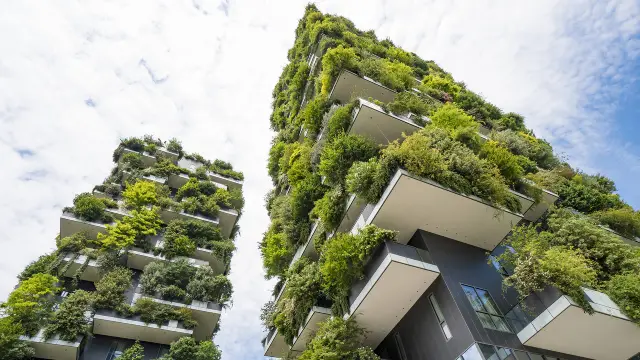
Sustainability is fundamentally about securing our future—making sure that our species can endure and thrive for generations to come. Since we don’t have an alternative planet to relocate to, environmental sustainability involves conserving the resources on this Earth that are essential for our survival and prosperity. Buy a green sustainable home in Ghana and save your health and environment.
Read about: Own Your Perfect Modern house in Ghana
Conclusion
The future of green and sustainable homes in Ghana represents a pivotal shift towards a more environmentally conscious and resilient real estate sector.
As awareness of environmental issues grows, the demand for eco-friendly living spaces is on the rise, driving significant changes in Ghana’s housing market. Green and sustainable homes are not just a luxury but a necessity in our quest to reduce carbon footprints and enhance the quality of life for future generations.
Adopting green and sustainable homes in Ghana brings numerous benefits, including reduced operating costs, improved indoor air quality, increased property values, and the fostering of sustainable communities. However, to fully realize these advantages, it’s crucial to address the current challenges and accelerate the adoption of these eco-friendly practices.
By leveraging government incentives, increasing public awareness, providing financial support, and fostering collaborations, Ghana can lead the way in sustainable real estate development.
The journey towards widespread adoption of green and sustainable homes in Ghana is well underway, and with continued dedication and innovation, we can create a lasting impact. Embrace the future of housing and make a difference—choose green and sustainable homes in Ghana for a better tomorrow.
