
The Impact of Urbanization on Property Values in Ghana
Urbanization stands as a pivotal force driving both economic and social transformation across the globe, and Ghana is no exception to this sweeping trend. As rural inhabitants increasingly migrate to urban areas in pursuit of enhanced living conditions and opportunities, the real estate market inevitably undergoes notable changes. As a result, cities like Accra, Kumasi, and Takoradi are experiencing an unprecedented surge in population and infrastructure development.
In this context, understanding how urbanization on property values in Ghana become crucial. This blog delves into the intricate ways in which urbanization affects real estate prices in Ghana. We will explore the underlying factors driving these changes, analyze the implications of rising property values, and consider the outlook for the real estate market amidst ongoing urban growth.
By examining these aspects, we aim to provide a comprehensive understanding of how urbanization on property values in Ghana and what it means for investors, residents, and policymakers alike.
Trends of Urbanization on Property Values in Ghana
Ghana has seen a remarkable increase in urban population over recent decades. According to the World Bank, the percentage of Ghanaians living in urban areas rose from around 23% in 1984 to more than 55% in 2020. Major cities like Accra, Kumasi, and Sekondi-Takoradi have become bustling metropolises, drawing rural dwellers with opportunities for higher-paying jobs, quality education, and healthcare services.
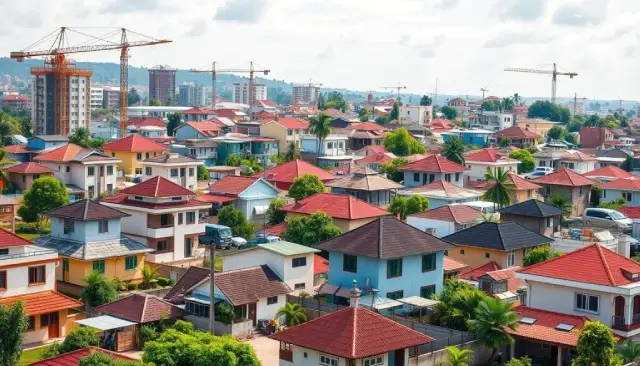
Factors Driving urbanization on property values in Ghana
Urbanization has a profound impact on real estate prices in Ghana. Here are the key factors driving these changes:
-
Population Growth
As more people move to urban areas, the demand for housing skyrockets. This increased demand puts pressure on the available supply, leading to higher property prices. In cities like Accra and Kumasi, residential properties are often in short supply, driving up costs.
-
Infrastructure and Amenities
Urban centers often benefit from better infrastructure—like roads, public transport, and utilities—as well as social amenities such as schools, hospitals, and shopping centers. These developments make certain areas more desirable, driving up real estate prices. For example, the construction of new highways or commercial hubs can significantly increase property values in surrounding areas.
-
Economic Opportunities
Cities are hubs of economic activity, offering more employment opportunities and generally higher salaries than rural areas. As businesses and industries cluster in urban areas, the demand for both residential and commercial properties increase, pushing up real estate prices.
-
Policy and Regulation
Government policies play a crucial role in shaping the real estate market. Policies that encourage urban development, protect property rights, and streamline land acquisition can stimulate real estate investment. Conversely, restrictive regulations or high transaction costs can deter development and impact prices. Initiatives like affordable housing projects and urban renewal schemes aim to reduce the housing deficit and make homes more affordable for Ghanaians.
Impacts of urbanization on property values in Ghana
While urbanization on property values brings some challenges, it also presents opportunities for growth and improvement:
As property prices rise, it can be more difficult for some low- and middle-income families to afford quality housing. However, this challenge also presents an opportunity for innovation and development of more affordable housing solutions, encouraging new partnerships between public and private sectors to meet demand. Addressing affordability proactively can help create more inclusive, vibrant urban communities.
While rising real estate prices do attract speculative investors, they also draw in serious long-term investors who believe in the market’s potential. This influx of capital can drive development, modernize infrastructure, and stimulate economic growth, helping cities like Accra and Kumasi to realize their full potential as thriving economic centers.
Opportunities and Economic Growth for urbanization on property values in Ghana
Urbanization and economic growth in Ghana have catalyzed a dynamic real estate boom, creating a wealth of opportunities for investors. The following key statistics underscore the scale of this transformation and the potential for lucrative investments:
- Remittances Surge: In 2023, Ghana received an impressive $4.89 billion in remittances, marking the highest influx in seven years. This substantial increase highlights the confidence of Ghanaians abroad in their homeland’s economic prospects and contributes significantly to the real estate market.
- Increased Demand from the United States: A notable one-third of the record arrivals in 2023 were from the United States, which has elevated the demand for accommodations and spurred growth in the hospitality and residential property sectors.
- Promising Economic Growth: The World Bank forecasts a robust 21% economic growth for Ghana over the next five years. This optimistic outlook is expected to fuel further investments and development in various sectors, including real estate.
These figures reflect a vibrant and evolving real estate market in Ghana, with major urban centers presenting significant opportunities for investors.
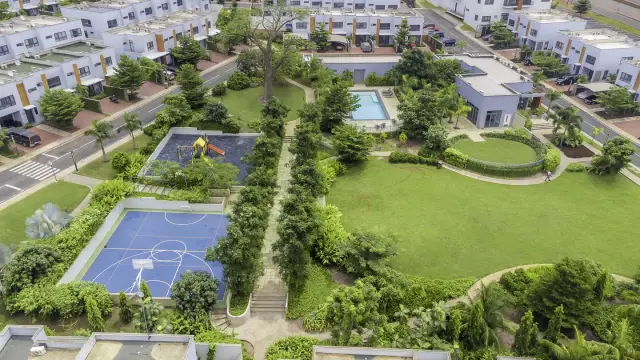
Boom of Urbanization on Property Values in Ghana
Urbanization has been a fundamental driver of growth in Ghana’s real estate sector. As more individuals migrate from rural areas to cities in pursuit of improved economic prospects, the demand for residential, commercial, and industrial properties has surged. Cities such as Accra, Kumasi, and Takoradi are witnessing rapid development and transformation, driven by both local and international investment.
Case Study: The Transformation of Accra’s Neighborhoods
Accra, the capital city, offers a compelling example of how Urbanization on Property Values in Ghana has reshaped urban landscapes. Neighborhoods such as East Legon, Cantonments, and Osu have experienced significant revitalization. Investments in luxury apartments, modern shopping malls, and state-of-the-art office buildings are catering to a diverse population of local residents and expatriates. These developments not only enhance the city’s infrastructure but also contribute to its economic vibrancy.
The Role of Urban Renewal and Sustainable Development
Urban renewal projects are pivotal in revitalizing Ghana’s urban areas. By focusing on the redevelopment of underutilized or deteriorating regions, these initiatives aim to improve living conditions, stimulate economic growth, and attract further investments. For example, the redevelopment of Osu in Accra is set to upgrade amenities, enhance traffic flow, and make the area more attractive for businesses and residents. This kind of urban renewal is essential for maintaining the city’s appeal and fostering sustainable growth.
Read more: Your Guide for properties for sale in Accra
Conclusion
profoundly impacts Urbanization on Property Values in Ghana, driven by factors such as population growth, infrastructure development, economic opportunities, and regulatory policies. While the rise in real estate prices reflects a period of rapid economic advancement, it also brings challenges related to housing affordability and social inequality.
To ensure equitable and sustainable urban growth, it is crucial to adopt a comprehensive approach that integrates sustainable urban planning, technological advancements, and effective government interventions. By addressing these factors, Ghana can navigate the complexities of urbanization, promote inclusive development, and create a balanced real estate market that benefits all residents.
As Ghana continues to experience urbanization, understanding and managing its impact on real estate markets will be key to fostering a prosperous and equitable future. The evolving landscape presents exciting opportunities for investors and stakeholders committed to contributing to the country’s dynamic growth.
