
How to Plan a Custom Home Build in Ghana: A Step-by-Step Guide
Custom Home Build Ghana is both an exciting and rewarding venture. With the country’s booming economy, rapid urbanization, and an increasingly affluent middle class, the real estate market in Ghana is experiencing significant growth. Many people moving back to Ghana are choosing to build their own homes instead of buying pre-existing properties. This comprehensive guide will provide you with essential steps and considerations for planning and executing a successful custom home build in Ghana
How to Plan a Custom home build Ghana?
-
Finding the Perfect Location
Choosing the right location for your Custom home build Ghana is crucial and sets the stage for the entire project. Here are some factors to consider:
- Proximity to Amenities: Ensure that your chosen location is close to essential services such as schools, workplaces, hospitals, and recreational facilities. Easy access to these amenities can greatly enhance your quality of life.
- Neighborhood Safety: Research the safety of the neighborhood. Look into crime rates and speak with local residents to gauge the security situation.
- Accessibility and Transportation: Evaluate the accessibility of the location. Proximity to major roads, public transport links, and ease of commute are important factors.
- Future Development: Investigate future development plans in the area. Projects such as new schools, shopping centers, or transportation infrastructure can impact property values and your living experience positively or negatively.
-
Collaborating with an Experienced Architect
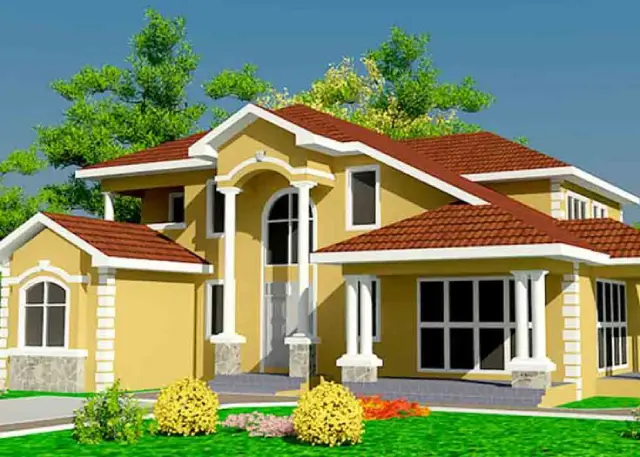
An experienced architect is vital to turning your vision into reality. Here’s how to collaborate effectively:
- Design Consultation: Work closely with your architect to develop a design that aligns with your requirements and budget. Provide them with your ideas, preferences, and any specific needs you have.
- Aesthetic and Functional Design: The architect should balance aesthetics with functionality. Discuss room layouts, natural lighting, ventilation, and the overall flow of the space to ensure it meets your lifestyle needs.
- Sustainable Design: Incorporate sustainable design principles to minimize environmental impact and reduce long-term energy costs. This includes energy-efficient windows, proper insulation, and the use of eco-friendly materials.
-
Establishing a Realistic Budget
Creating a detailed and realistic budget is essential for managing your construction project effectively. Your budget should include:
- Land Costs: Factor in the price of the land, including any legal fees associated with its acquisition.
- Construction Expenses: Include costs for materials, labor, and any additional services such as landscaping or interior design.
- Permits and Fees: Budget for all necessary permits and regulatory fees. This includes building permits, inspection fees, and utility connection charges.
- Contingency Fund: Set aside a portion of your budget for unexpected expenses. Construction projects often encounter unforeseen issues, so having a contingency fund can help manage these situations.
Exploring financing options like mortgages or construction loans can also help manage your budget and ensure smooth financial handling throughout the project.
-
Assembling a Reliable Construction Team
Custom home build Ghana requires a team of skilled professionals. Here’s how to ensure you have the right people for the job:
- Architects and Designers: Choose architects and designers with experience in the Ghanaian real estate market. Their knowledge of local building codes and trends will be invaluable.
- Contractors: Hire reputable contractors with a track record of successful projects. Check references and review their portfolios to assess their capabilities.
- Project Managers: Consider hiring a project manager to oversee the construction process, coordinate between different contractors, and ensure the project stays on schedule and within budget.
-
Choosing the Right Materials
Selecting the appropriate materials is crucial for both the durability and aesthetics of Custom Home Build Ghana. Consider the following:
- Quality and Longevity: Choose materials that are durable and suited to the local climate. For example, opt for weather-resistant roofing and moisture-resistant flooring.
- Local Climate: Materials should be appropriate for Ghana’s climate. Consider heat-resistant materials and those that provide good insulation.
- Eco-Friendly Options: Incorporate eco-friendly materials to reduce your home’s environmental impact. Options include recycled materials, low-VOC paints, and sustainable wood products.
-
Incorporating Energy Efficiency
Improving energy efficiency is essential for creating a sustainable and cost-effective home. Here are some features to consider:
- Solar Panels: Installing solar panels can reduce your reliance on traditional power sources and lower energy bills.
- Energy-Efficient Appliances: Choose appliances that consume less energy, such as energy-star rated refrigerators, washing machines, and lighting.
- Proper Insulation: Invest in high-quality insulation to maintain comfortable indoor temperatures and reduce heating and cooling costs.
- Smart Home Technology: Implement smart home systems to manage energy use efficiently. Features such as programmable thermostats and automated lighting can help optimize energy consumption.
Explore:How much do i need to invest in real estate in Ghana?
-
Compliance with Building Codes and Permits
Ensuring that your construction project complies with local building codes and regulations is crucial. Here’s how to navigate this process:
- Understand Local Regulations: Familiarize yourself with the National Building Regulations and other applicable local laws. This includes regulations related to site clearance, design standards, and construction practices.
- Obtain Permits: Secure all necessary permits before starting construction. This includes building permits, zoning approvals, and any other required certifications.
- Regular Inspections: Arrange for regular inspections to ensure compliance with building codes throughout the construction process.
Adhering to these regulations safeguards your investment and ensures that Custom home build Ghana meets safety and quality standards.
-
Designing with Future Expansion in Mind
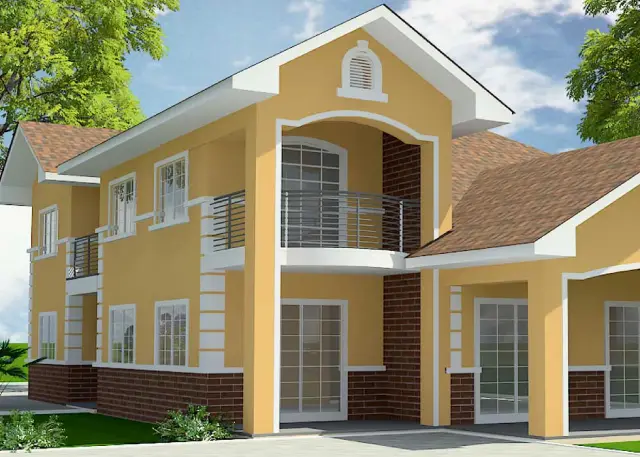
Plan for future needs by incorporating flexibility into Custom home build Ghana
- Versatile Spaces: Design rooms that can serve multiple purposes or be easily adapted as your needs change. For example, include a home office that can be converted into a guest room.
- Future Expansion: Consider how your Custom home build Ghana can be expanded in the future. Leave space for potential additions such as extra bedrooms or a larger living area.
-
Adding Personal Touches
Infuse your personality and style into Custom home build Ghana to make it truly your own:
- Custom Features: Incorporate elements that reflect your personal taste, such as custom cabinetry, unique architectural details, or personalized fixtures.
- Interior Design: Work with interior designers to create spaces that align with your aesthetic preferences and enhance functionality.
Personal touches make your Custom home build Ghana feel special and uniquely suited to your lifestyle.
Explore:Your Guide for Living in Ghana
Conclusion
Custom home build Ghana is a rewarding endeavor that requires careful planning and execution. By following these steps—selecting the right location, collaborating with experienced professionals, establishing a realistic budget, and incorporating sustainable practices—you can create a home that meets your needs and enhances your quality of life. Embrace the journey and enjoy the process of bringing your vision to life.
If you need further assistance or a free consultation with a building contractor in Ghana, feel free to reach out. Custom home build Ghana is an exciting opportunity to create a space that reflects your aspirations and provides comfort and joy for years to come.
