What are the Tenant Rights and Responsibilities in Ghana?
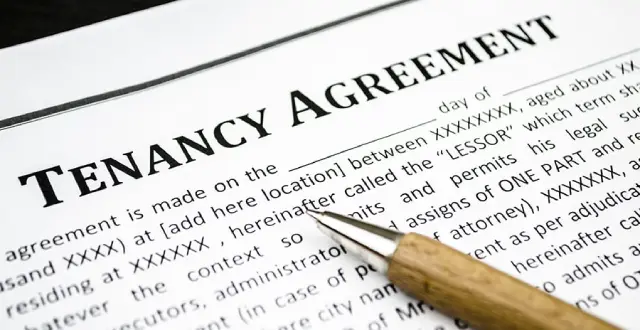
Tenant Rights and Responsibilities in Ghana have legal rights that aim to protect them and ensure a safe and fair housing environment. These rights include the right to a written lease that clearly states the terms and conditions, and the right to live in a safe and habitable property with basic services such as water and electricity.
Tenants also have the right to challenge unreasonable rents and to request maintenance from the landlord if any problems arise. Landlords cannot evict tenants without valid legal cause or adequate notice, giving tenants a sense of security and stability during their tenancy.
Tenant rights and responsibilities in Ghana fall under laws and rights that aim to protect tenants and ensure fair dealings between them and landlords.
key points about Tenant Rights and Responsibilities in Ghana
- The tenant’s right to a written lease: The tenant must receive a copy of the written lease that sets out all the terms and conditions related to the lease, including the lease term, the amount paid, the security deposit, and any additional fees.
- The tenant’s right to a safe and livable home: The housing must comply with health and safety standards, as Tenant Rights and Responsibilities in Ghana wants, as stipulated by the laws, and as stated in the lease, and landlords must carry out the necessary maintenance regularly to keep the housing in good condition.
- Tenant Rights and Responsibilities in Ghana to stability: Landlords cannot evict a tenant unless they violate the contract terms or fail to pay the rent on time. The landlord cannot evict a tenant except after following the approved legal procedures, and they cannot be evicted without a legitimate legal reason.
- Right to Refund Deposits: Landlords must return any deposits paid by Tenant Rights and Responsibilities in Ghanaas a security deposit on the property upon expiration of the contract, provided that the property and its furniture and electrical appliances are in good condition.
- Right to Privacy: Landlords are not entitled to enter the rented property despite owning it without prior permission from the tenant because the tenant has the right to complete privacy and the landlord is not entitled to enter the rented property except in emergency cases.
- Right to Fair Dealing: Landlords and tenants must abide by what is written in the lease contract as agreed upon and must abide by local laws and regulations in force regarding rents,
- Right to Enjoy Quiet: Landlords must respect the tenant’s right to enjoy a quiet residential environment without unjustified disturbance
You can also read about: Your Guide for Living in Ghana
The Relationship Between Landlord Tenant Rights and Responsibilities in Ghana
Landlord, Rent, Rent Control, Rental Market, Rental Agreement, Tenant,
Rent control laws play an important role in maintaining a fair and balanced rental market, protecting the rights of property owners, and preserving Tenant Rights and Responsibilities in Ghana from unjustified rent increases and attempts at arbitrary evictions.
Ghana, like many countries, has its own set of regulations and laws that govern the relationship between landlords and tenants. One of the most common questions that often arises in the context of Ghanaian rent control laws is whether there is a fixed eviction period for tenants. In the following lines, we will explore the rent control laws in Ghana and the regulations surrounding the eviction of tenants.
Ghana Rent Control Act
The Ghana Rent Control Act is the law that protects the rights and responsibilities of tenants in Ghana. Act No. 220 of 1963, is the primary legislation governing rental relationships between landlords and tenants in the country. This law seeks to protect the rights of both landlords and tenants and maintain fair and reasonable rental terms. However, it is important to note that the Rent Control Act has undergone amendments, the most recent of which was a major amendment in 1986.
Eviction Regulations
The Rent Control Act does not set a fixed eviction period for tenants in Ghana. Instead, it sets out the terms and conditions under which a landlord may legally evict a tenant. In Ghana, eviction of a tenant is only legal under certain circumstances, and thus the law protects the Tenant Rights and Responsibilities in Ghana

The conditions for evicting Tenant Rights and Responsibilities in Ghana
- Failure to pay rent: If the tenant fails to pay rent on time, the landlord has the right to initiate eviction proceedings. This is where the Tenant Rights and Responsibilities Act in Ghana comes in. The law stipulates that the tenant must be given written notice specifying not less than one month to correct the arrears before eviction.
- Violation of one of the terms of the lease agreement: The landlord may evict the tenant due to a material violation of one of the terms of the lease agreement signed between the landlord and the tenant. This may include actions such as subletting the property without permission causing serious damage to the property, or destroying any of the property’s contents, furniture, and appliances.
- Illegal activity: The landlord also has the right to initiate eviction proceedings if the tenant engages in illegal activities within the rented premises or causes a disturbance that disturbs other tenants or the neighborhood.
It is important to emphasize Tenant Rights and Responsibilities in Ghana Act states that evictions must be carried out by the legal process. Landlords must obtain a court order to evict a tenant. Self-eviction (changing locks, removing belongings), or forcible eviction of a tenant is not permitted as this is against the law and puts the landlord in legal trouble.
Control Department
The Ghana Rent Control Department, under the Ministry of Works and Housing, plays a crucial role in implementing and enforcing the
Rent Control. It provides a platform for tenants to enforce the Ghana Tenant Rights and Responsibilities Act and landlords to resolve disputes and ensure that eviction proceedings comply with the law. Tenants who believe they are being unfairly evicted can seek assistance from this department.
In Ghana, there is no fixed eviction period for tenants specified in the Rent Control Act. Instead, evictions are permitted under specific circumstances, such as non-payment of rent, breach of the rental agreement, or engaging in illegal activities. Evictions must be carried out by the law, which includes obtaining a court order.
Both tenants and landlords should familiarize themselves with the Rent Control Act and seek assistance from the Rent Control Department in the event of eviction disputes or issues. Understanding these regulations is crucial to maintaining a fair and balanced rental market that safeguards the rights of landlords and tenants in Ghana.
Enmaa and Supporting Tenant Rights and Responsibilities in Ghana: Our Commitment to Providing a Fair and Safe Rental Experience
Enmaa is committed to promoting Tenant Rights and Responsibilities in Ghana by providing quality properties and reliable services that ensure tenants’ comfort and security. Enmaa places tenant rights at the forefront of its priorities, ensuring that leases are clear and detailed and that all information related to terms and conditions is easily accessible.
Enmaa also seeks to address any maintenance issues quickly and efficiently, enhancing the rental experience and creating a comfortable residential environment. Through this commitment, Enmaa works to build a long-term relationship of trust with tenants, which contributes to creating more stable and safe residential communities.