
How to Start a Real Estate Business in Ghana?
The real estate industry is one of the most profitable and fast-growing sectors globally, and Ghana is no exception. Investing in real estate in Ghana offers numerous opportunities for both investors and real estate agents. Whether you’re looking to invest in properties or become a real estate agent, this business presents vast opportunities. While real estate in Ghana has proven to be a lucrative career choice, the competition is fierce.
In this article, we will dive into the key aspects of Start a real estate business in Ghana. We’ll cover the necessary steps to start, the benefits of investing in Ghanaian real estate, and important things to consider before purchasing property.
Start a Real Estate Business in Ghana
Ghana is classified as a lower-middle-income country by the World Bank and is one of the few African nations experiencing sustained economic growth. This growth has positively impacted the real estate market. Real estate investment in Ghana not only contributes to the country’s economy but also provides investors with personal wealth opportunities. Despite the hurdles that come with this industry, Ghanaian real estate is one of the most established sectors, offering opportunities for long-term profits.
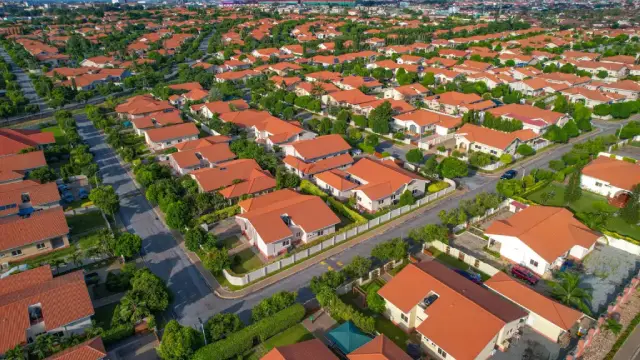
Key Considerations Before Start a Real Estate Business in Ghana
-
Verify the Ownership of the Land
Before purchasing land, it is critical to verify the ownership. One common issue in Ghana is the sale of land by individuals who are not the actual owners. Make sure to get a land title examined by the relevant government office and consider conducting a land appraisal to verify its legitimacy. This process incurs fees, but it’s well worth it to avoid future legal battles.
It is also recommended that you remain actively involved in the entire process and hire a lawyer to go over all documents before any payments are made. This ensures that all agreements are properly vetted.
Read more:How much do i need to invest in real estate in Ghana?
-
Understand Land Ownership Regulations
In Ghana, land ownership is typically not permanent. Most of the land is leased, meaning you can only hold the land for a specific period, usually between 25 to 150 years. The lease period is often shorter for foreigners, but these terms are negotiable. Ensure you fully understand the lease agreement before making a purchase.
-
Meet Real Estate Development Requirements
If you’re purchasing undeveloped land, note that the government has set timelines for when construction must begin. Typically, you’ll be required to start building within two years. Failing to do so can result in complications, including the potential forfeiture of the land. Make sure to inquire about these requirements from the relevant government agencies before making any purchases.

How to Start Real Estate Business in Ghana?
If you’re looking to start a real estate business in Ghana, thorough planning is crucial. Below are some essential steps you need to follow to ensure success in this field.
Conduct Market Research
Conducting market research is the first and most important step before diving into real estate development. The research should give you insights into the current state of the real estate market, the types of properties in high demand, and the competition. This information helps you determine what types of properties to invest in and where to target your developments.
- Overview of the Real Estate Industry: Ghana’s real estate industry is growing rapidly. It’s essential to understand the size of the market, the growth rate, and the key players to help you position your business effectively.
- Understanding Demand: Identify which property types are in high demand. In Ghana, affordable housing is particularly in demand, but there is also a growing need for commercial and industrial spaces. Knowing where the demand lies will guide your investment strategy.
- Location and Target Market: Research potential locations for your development projects. Areas with rapid population growth or new infrastructure projects tend to offer the best returns. Also, identifying your target market—whether it’s expatriates, locals, or commercial businesses—will help you develop the right product for the right audience.
Develop a Solid Business Plan
Once you’ve completed your research, the next step is to create a detailed business plan. A well-structured plan should include:
- An executive summary
- Market analysis
- A company description
- Details about the properties you plan to develop
- Marketing and sales strategies
- Financial projections, including start-up costs and funding requirements
- An exit strategy
A strong business plan is critical when seeking investors or financing for your business. It serves as a roadmap and helps secure the funding necessary to bring your vision to life.
Secure Funding
Real estate development is capital-intensive, and securing adequate funding is a crucial step to Start a real estate business in Ghana. Depending on the size of your project, your funding needs will vary. Some of the most common options include:
- Bank Loans: Traditional bank loans are a popular source of funding, although they often require a strong credit history and collateral.
- Private Equity: Another option is to bring in private equity investors who can provide capital in exchange for equity in your project.
- Crowdfunding: For smaller projects, crowdfunding has become an increasingly popular way to raise capital. It allows you to raise money from a large pool of investors through online platforms.
Register Your Business
Before commencing any operations, it’s essential to register your Start a Real Estate Business in Ghana. Start by obtaining a Tax Identification Number (TIN) from the Ghana Revenue Authority. Then, register with the Registrar General’s Department. Depending on your business structure—whether it’s a sole proprietorship, partnership, or limited liability company (LLC)—you will need to follow specific procedures and pay relevant fees.
Hire the Right Team
Successful real estate development requires a well-coordinated team. You will need: Architects, Contractors, Lawyers, Accountants, and Marketing professionals.
Explore: Commercial real estate in business Districts Ghana
The Long-Term Benefits of Start a Real Estate Business in Ghana
-
Income Generation
One of the most significant benefits of real estate investment is its ability to generate consistent income. Rental properties provide year-round income, and as property values increase over time, the potential for capital gains grows.
-
Flexibility
Real estate offers a level of control that other investments do not. Properties can be developed, leased, or sold depending on market conditions. Unlike other markets where external factors like the price of crude oil or gold can significantly impact returns, real estate is more stable and predictable.
-
Long-Term Value Appreciation
Over time, real estate in Ghana has proven to appreciate in value, particularly in high-demand areas. This makes it an ideal investment for those looking to build long-term wealth.
Explore:Your Guide for Living in Ghana
Conclusion
Start a real estate business in Ghana is a lucrative opportunity, but it requires careful planning, market research, and financial investment. By following the outlined steps—verifying land ownership, understanding regulations, developing a solid business plan, securing funding, and hiring the right team—you can successfully .
With the growing demand for both residential and commercial properties, Ghana’s real estate sector presents a promising opportunity for investors looking to tap into a booming market. Now is the time to take advantage of this expanding industry and build a profitable real estate venture in Ghana.
