
How to Incorporate Smart Security Systems in Ghanaian Homes
A smart security systems in Ghanaian homes effortlessly blends your home or business security into your daily routine by linking your security setup with personal devices like smartphones through home networks and wireless technology. We’ve been installing security systems since 1982. Back then, having a loud external siren and a large indoor keypad was considered cutting-edge! Today, we stay updated on technological advancements and proudly provide modern, connected Smart Security Systems in Ghanaian Homes. While CCTV cameras accessible from your phone may be the most obvious solution, many other smart security options are available.
Regarding Ghana, it is crucial to incorporate Smart Security Systems in Ghanaian Homes to protect your family and property. The availability of crime statistics is shaping how people approach home security. Keeping up with the news reveals a surge in reports of armed robbery and theft, which not only angers individuals but also prompts them to bolster their home security measures. Research indicates that homes without security systems are more likely to be targeted for robbery compared to those with one in place. The mere presence of a security system acts as a deterrent for criminals, who seek out easier targets. As a result, many have come to recognize the importance of security systems such as CCTV and Access Control systems.
What are Smart Security Systems in Ghanaian Homes including?
Modern technology is significantly improving the safety of Smart Security Systems in Ghanaian Homes
Smart Security Systems in Ghanaian Homes including CCTV cameras, motion sensors, and smart locks, allow homeowners to monitor and control their property remotely via smartphones. These systems act as deterrents, reducing the risk of break-ins. Smart locks and access controls offer added security by managing entry and exit, while smart lighting helps deter intruders and conserve energy. Additionally, integrating smoke and carbon monoxide detectors ensures quick alerts in case of danger. Adopting these technologies enhances home safety, giving residents greater peace of mind.
Explore: The Future of smart homes in Ghana
Benefits of smart security systems for Ghanaian homes
These devices enable remote monitoring and control of homes, giving users greater control over their environment and boosting their sense of security.
Smart Security Systems in Ghanaian Homes devices are often easier to install than traditional systems, making them ideal for individuals without the time or expertise for complex installations.
Additionally, many Smart Security Systems in Ghanaian Homes offer more than just basic monitoring and control. For instance, some come with built-in cameras for video surveillance, motion detectors to alert homeowners of suspicious activity, and remote-controlled automatic locks for extra security.
These devices can also be integrated with home automation systems, allowing users to manage lighting, adjust thermostats, and track energy usage through a single app or website.
In summary, smart Smart Security Systems in Ghanaian Homes devices are transforming home protection, giving users more control, security, and peace of mind, while also saving time and money on installation.
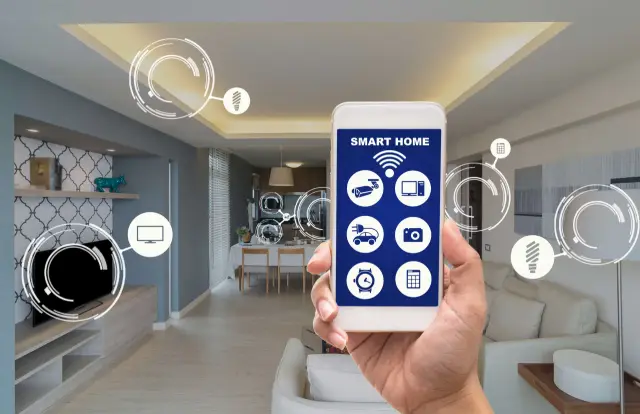
Steps to incorporate smart security systems in Ghanaian homes
Step 1: Assess Home Security Needs: Front doors are especially vulnerable because they are the main entry point for homeowners and guests. Burglars may try to force their way in through weak locks or compromised door frames. Back doors are also popular targets, especially if they are not easily visible. Sliding glass doors can be susceptible to break-ins if not properly secured.
First-floor windows are attractive entry points due to their accessibility and potential lack of security measures. Windows located in secluded areas of the property, such as the side or back of the house, are especially susceptible to break-ins as they offer intruders a degree of privacy while attempting to gain entry.
Step 2: Choose the Right Smart Devices: Before you egin your search, it’s important to assess your specific security needs. Determine if you require indoor protection, outdoor coverage, or both?
Secondly, Smart Security Systems in Ghanaian Homes vary in price, so it’s important to establish a budget beforehand. Keep in mind that some systems may have additional costs, such as installation and subscription fees. If you already own smart devices like thermostats or lighting systems, make sure your chosen security system is compatible for added convenience and control.
Lastly, opt for a provider with strong customer support and maintenance options. Smart Life Tech stands out for its reliable technical support, making it a trusted option for Smart Security Systems in Ghanaian Homes.
Step 3: Installation Tips: DIY installations can be more budget-friendly and offer a rewarding sense of achievement. However, they require some technical skill and knowledge of the system’s components. A DIY approach is ideal for simpler systems or installing individual devices.
On the other hand, professional installation, especially from experts like ARCO Lock and Security, can justify the higher upfront cost. Professionals ensure that your system is installed securely and efficiently, offering valuable advice on optimizing coverage and performance. This option is often better suited for complex systems or for those who prefer the confidence that comes with expert installation.
Step 4: Connectivity and Monitoring: To connect Smart Security Systems in Ghanaian Homes to your Wi-Fi for 24/7 monitoring via mobile devices, follow these steps:
- Set Up the Router: Ensure your home Wi-Fi is secure and has a strong signal throughout your property, especially where security devices will be placed. Make sure your router supports the required frequency (typically 2.4 GHz) for smart security devices.
- Download the App: Most smart security systems come with a companion mobile app. Download and install the app on your smartphone or tablet. This app will allow you to monitor and control your devices remotely.
- Power On the Device: Plugin or install the smart security device (camera, sensor, etc.) and power it on. Make sure it’s placed in a location within range of your Wi-Fi signal.
- Connect to Wi-Fi: Open the mobile app and follow the prompts to connect the security device to your home Wi-Fi. This often involves entering your Wi-Fi network name (SSID) and password in the app. Some devices may require you to connect directly to the device’s Wi-Fi first, before switching to your home network.
- Pair the Device: Once connected, the app will pair your device to the system, allowing you to name and customize its settings. Test the connection to ensure it’s working properly.
- Enable Notifications: Configure the app to send real-time alerts and notifications to your mobile device for 24/7 monitoring, such as motion detection or door sensor triggers.
- Monitor Remotely: After setup, you’ll be able to view live footage, adjust settings, and receive notifications from anywhere using the mobile app, as long as you have internet access on your phone.
Step 5: Regular Maintenance: Maintaining your security system in top condition ensures that you can rely on every alert and have clear recordings. It also helps prevent false alarms, which can lessen your urgency in responding to actual threats, while extending the system’s lifespan and reducing the need for expensive replacements.
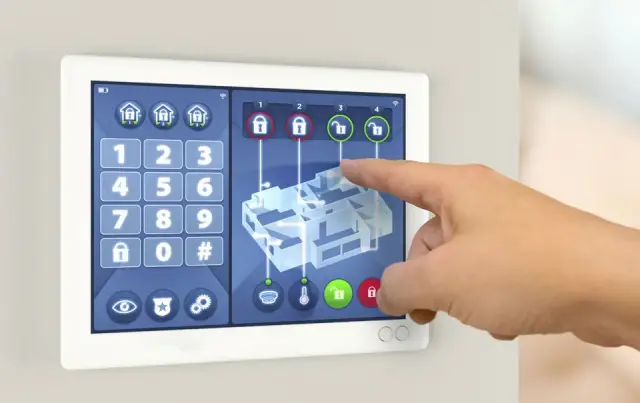
Cost considerations for smart security systems in Ghanaian homes
Generally, the cost depends on the type, size as well as the technology involved. Be that as it may, you might have to pay anywhere between GHC 500 and GHC 5,000 for a home security system.
Challenges and solutions
Connectivity Issues: Dependence on Wi-Fi can lead to connectivity problems if the network is weak or goes down.
- Solution: Ensure a strong Wi-Fi signal throughout the home, consider using Wi-Fi extenders, or invest in devices that support Ethernet connections.
Privacy Concerns: Potential for data breaches or unauthorized access to cameras and personal information.
- Solution: Use strong, unique passwords, enable two-factor authentication, and regularly update device firmware.
Complexity of Setup: Some users may struggle with installation or integration with existing devices.
- Solution: Provide clear instructions, use user-friendly apps, or opt for professional installation services.
Cost: Initial setup and ongoing subscription fees can be expensive.
- Solution: Research and compare different systems to find one that fits your budget and offers the necessary features.
Battery Life: Wireless devices may require regular battery changes or recharging.
- Solution: Choose devices with long battery life or consider hardwired options for consistent power.
Read about: Types of Houses in Ghana: Your Comprehensive Guide
Conclusion:
Incorporating smart security systems in Ghanaian homes is not just a trend; it’s a necessary step towards enhancing the safety and security of your family and property. With the rise in crime rates, investing in advanced security technologies like smart cameras, motion sensors, and smart locks can provide peace of mind and a robust defense against potential threats.
By assessing your specific needs, choosing the right devices, and ensuring proper installation and maintenance, you can create a tailored security solution that fits your lifestyle and budget.
As we navigate a rapidly evolving technological landscape, the benefits of smart security systems become increasingly clear. These systems not only deter crime but also offer convenient features that allow you to monitor and control your home remotely.
Whether you opt for a DIY approach or seek professional installation, prioritizing smart security systems in Ghanaian homes is essential for a safer and more secure living environment. Embrace the future of home security and make the smart choice today.
