
How to Prepare Ghanaian home for Extreme Weather?
How to prepare Ghanaian home for extreme weather is the most common question nowadays! The climate in Ghana is known to be volatile, with periods of heavy rains, high temperatures, and high humidity, in addition to some dry winds coming from the desert (Harmattan winds) to prepare Ghanaian home for extreme weather
To prepare Ghanaian home for extreme weather, install double-glazed windows to reduce heat transfer into the interior. Today with Enmaa you will learn how to prepare Ghanaian home for extreme weather.
How to prepare Ghanaian home for extreme weather?
To prepare Ghanaian home for extreme weather, check and clean drains regularly to prevent water accumulation and prevent leaks.
- Use heavy curtains (blackout) to block out the sun during the day, reducing the rise in internal temperature.
- Using good thermal insulation materials for the roof and walls such as insulating panels or heat-reflective paint will help you prepare Ghanaian home for extreme weather
- Make sure the roof is sturdy and can withstand heavy rains and strong winds, and use rust-resistant materials in construction.
- To prepare your Ghanaian home for severe weather, install side drainage systems to help drain large amounts of rain.
- Create vents on the tops of walls to promote air movement and prevent moisture buildup.
- Use ceiling fans or portable fans to improve airflow inside the home.
- Tightly seal windows and doors to reduce cold air leakage during the Harmattan season and reduce cool loss in the summer.
- Use mesh on windows to protect against insects during the rainy season.
- Keep a set of essential tools and supplies such as flashlights and spare batteries in case of a power outage.
- Make sure there is a fire extinguisher and smoke detectors in the home, especially in cooking areas.
- Use dehumidifiers or activated charcoal inside cabinets to prevent mold and mildew
- Use moisture-resistant furniture in open or wet areas.
- Store a sufficient supply of food and water in case of bad weather that may impede mobility.
- Store furniture, belongings, and clothing in dry places away from moisture.
These measures will help you prepare Ghanaian home for extreme weather. Make life easier in a home that is suitable for the changing weather conditions in Ghana.
Explore: Seasonal Property Maintenance Tips in Ghana
The best ways to protect your Ghanaian home from humidity and high heat
- Use heat-reflective paint on exterior walls and roofs.
- Install thermal insulation panels on the roof to keep the house cool.
- Use waterproof paint on walls and floors to prevent moisture leakage.
- Ensure that windows and doors are opposite each other to facilitate airflow.
- Use ceiling or portable fans to enhance airflow in rooms.
- Open windows early in the morning or evening to reduce heat build-up.
- Use dehumidifiers in areas prone to humidity such as kitchens and bathrooms.
- Check for leaks in plumbing systems that may increase humidity.
- Avoid hanging clothes indoors, which increases humidity levels.
- Choose light-colored surfaces or surfaces with reflective materials to reduce heat absorption.
- Use sloped roofs to facilitate rainwater drainage and prevent its accumulation.
- Plant trees or plants near the house to provide natural shade and reduce heat.
- Double glazing provides an insulating layer that reduces heat transfer from the outside.
- Use thermal curtains or shutters to prevent direct sunlight from entering.
- Maintain air conditioners regularly to ensure their efficiency in reducing heat.
- Ensure the integrity of drainage systems to prevent water accumulation around the foundation of the house.
- Use moisture-resistant furniture in areas exposed to it.
- Choose light-colored furniture and natural materials such as cotton and linen to improve the comfort of the home.
- Use mold and mildew-resistant paints in damp areas.
Following these tips helps you prepare Ghanaian home for extreme weather and provides a comfortable and healthy home environment throughout the year, regardless of the weather conditions in Ghana.
You can also read How to Start a Real Estate Business in Ghana
How do you prepare your home to face the harmattan season and dry conditions?
The Harmattan season is a very harsh season not only in Ghana but also in some parts of West Africa, characterized by strong dry, and cold winds laden with dust coming from the desert, which leads to low humidity and fluctuating temperatures. Here are some measures to help you prepare Ghanaian home for extreme weather
- Install rubber seals on windows and doors to close any gaps.
- Use screens on windows to reduce dust entry without blocking the air.
- Place thick curtains or dust-proof fabrics on windows.
- Use humidifiers to replace lost moisture.
- Place water bowls near windows or inside rooms to improve humidity.
- Plant houseplants such as cactus or bamboo that help increase humidity.
- Wipe floors and surfaces with a damp cloth to reduce dust accumulation.
- Use a vacuum cleaner equipped with a HEPA filter to prevent the spread of fine dust.
- Clean air conditioners and filters regularly to ensure air quality.
- Cover furniture and sensitive devices with cloth to prevent dust accumulation.
- Store drinking water in closed containers to keep them clean and dust-free.
- Keep masks or wet wipes for use when going out to avoid inhaling dust.
- Use moisturizing drops for the nose and eyes to relieve dryness caused by harmattan.
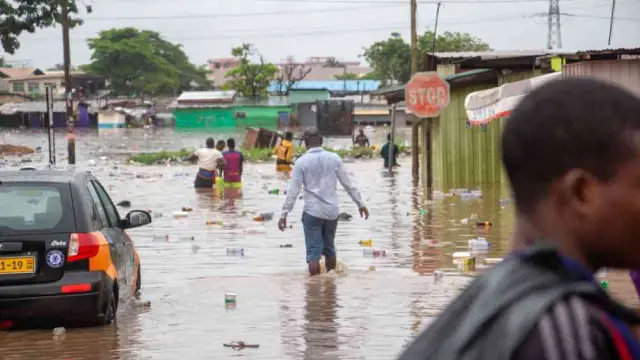
Strategies to prepare Ghanaian home for extreme weather and Draining Rainwater
Ghana experiences heavy rainy seasons which can lead to water pooling and leaks in some homes. To prepare Ghanaian home for extreme weather it is essential to take effective measures to ensure water drainage and prevent moisture damage as we will explain:
- Use wide gutters made of rust-resistant materials such as aluminum.
- Ensure that gutters are angled at the correct angle to ensure that water flows smoothly into the drains.
- Install surface drains at the entrances to the home or in areas where water collects.
- Use drainage nets to cover drains and prevent dirt from entering the system that could clog the system.
- Ensure that there are underground drain pipes to carry water away from the foundation of the home.
- Install side drain pipes that direct water away from the walls and foundation of the home.
- Install drainage boards around the foundations to prevent water from accumulating near them.
- Use sloping areas around the home to ensure that water drains away naturally.
- Install tanks to collect rainwater for irrigation or cleaning.
- Ensure that the tanks are well covered to prevent dust and insects from entering.
- Use waterproofing coatings on roofs to reduce the chance of water seeping in.
- Inspect roofs regularly for cracks that allow water to seep in.
- Use waterproofing sheets under tiles on balconies and exposed roofs.
- Inspect internal and external plumbing pipes for leaks.
- Ensure that valves and connections are intact, and repair any damage as soon as you discover it.
- Use silicone sealants on exposed openings and pipes.
- Plant rain gardens with moisture-resistant plants to absorb excess water.
- Use layers of soil and gravel to improve drainage in the garden.
- Place raised planters to ensure that plants do not become waterlogged.
- Keep a backup water pump handy for large water pools.
- Use sandbags around the house as a temporary barrier when heavy rains are expected.
How to prepare Ghanaian home for extreme weather and Improve Ventilation During Hot and Humid Seasons?
- Providing good ventilation is essential during Ghana’s hot and humid seasons to keep your family comfortable and safe.
- Improving ventilation helps eliminate excess moisture and reduce high temperatures.
- Open windows and doors in the early morning or evening to facilitate air circulation.
- Open windows opposite each other to improve airflow inside rooms.
- Include overhead ventilation to expel hot air that has accumulated in the ceiling.
- Use ceiling fans to circulate cool air and reduce the feeling of heat.
- Place portable fans near windows to promote the entry of outside air.
- Place light curtains on windows to allow air to circulate while blocking direct sunlight.
- Place cold water bowls in rooms to reduce the feeling of heat and humidify the air.
- Plant plants that help purify the air, such as ferns and spider plants.
- Place plants in well-ventilated areas to help absorb excess moisture.
- Use high ceilings to facilitate the upward movement of hot air.
- Use thermal insulation materials in walls and ceilings to keep the house cool.
- Set air conditioners at a moderate temperature to provide a comfortable atmosphere without straining the device.
- Use ceiling fans with air conditioning to improve the distribution of cool air.
Finally, combining natural ventilation with appliances such as fans and air conditioners can help you prepare Ghanaian home for extreme weather
Enmaa’s role in enhancing the readiness of homes to face severe weather
Enmaa plays a pivotal role in enhancing the infrastructure of homes in Ghana, especially in light of the increasing climate change. By providing advanced building solutions, Enmaa focuses on the use of heat and moisture-resistant materials, in addition to innovative insulation systems that protect homes from floods and heavy rains. The company also seeks to enhance sustainability by relying on environmentally friendly technologies that contribute to saving energy, making homes more prepared to face severe weather.
Preparing for severe weather in Ghana requires integrating best construction practices and weather-resistant materials, in parallel with community awareness, and relying on specialized companies such as Enmaa. With these steps, damages resulting from climate change can be reduced and homes and their residents can be ensured in the long term.
FAQs about prepare Ghanaian home for extreme weather
- What are the best materials to deal with heavy rain?
It is preferable to use waterproof materials such as rubber surfaces and moisture-resistant paints to prevent water leakage.
- How can we reduce the temperature inside homes in hot weather?
Double-glazed windows can be installed and appropriate ventilation systems can be used in addition to thermal insulation of roofs and walls.
- What is the importance of insulation in protecting homes?
Insulation helps regulate the temperature inside the home and prevents the effects of moisture, which increases the durability of the building and reduces maintenance costs in the long run.
