
How to Profit from Commercial Warehouse Investments in Ghana
The warehousing sector is witnessing a significant transformation in Ghana, driven by exponential growth of e-commerce penetration, consumption growth, and the ongoing modernization of logistics infrastructure.
Due to their high degree of versatility and the likely high levels of reliable passive income, Commercial Warehouse in Ghana are gaining impressive attention. Businesses compete actively for space for their logistics; thus, warehouses are an asset with high demand yet very limited supply.
In addition, their value-added opportunity to be repurposed can only further enhance their attraction for an investor who might find ways to maximize return with this increasingly large logistically demanding modern business.
Hence, this demand for warehousing presents substantial opportunities for real estate developers and investors.
Overview of Commercial Warehouse in Ghana
Commercial Warehouse in Ghana involve the purchase or tenancy of properties for storage and logistics. They focus on location, accessibility, property features, and market demand. Investors consider zoning, maintenance costs, and opportunities for upgrades to meet tenant needs.
Speaking of Ghana, the retail industry has grown tremendously over the last couple of decades, putting tremendous demand on the need for efficient and reliable warehousing solutions. Such rapid growth demands the capacity of available Commercial Warehouse in Ghana, hence compelling reasons for the need to embrace advanced storage solutions that can effectively handle large volumes of products.
A few of the main trends currently driving Commercial Warehouse in Ghana include: The demand for modern facilities has been fueled by the surge in e-commerce, retail, and consequently, manufacturing, which have all exposed the inadequacy in the existing warehousing solutions in the country. Infrastructure development, including recent expansions at Tema Port, combined with an upgraded road system connecting industrial centers, will facilitate logistics and enhance the attraction of strategically situated warehouses.
In addition, developing industrial parks, such as the Tema Free Zones, has brought about concentrated trade and manufacturing activities, increasing demand for storage facilities in their vicinity. Investors also incorporate sustainable designs and advanced technologies, such as inventory management systems, to improve efficiency and attract tenants.
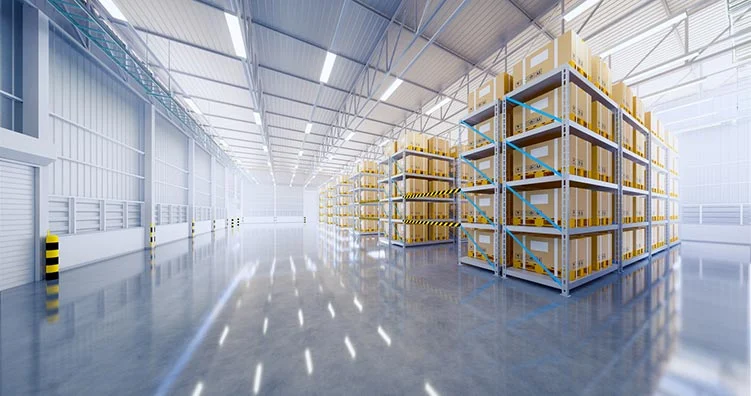
Key Factors to Consider Before commercial warehouse in Ghana
When investing in warehouses, the following factors are crucial for profitability and growth potential:
- Operations and Location: Warehouses located in an industrial zone or a logistics park are built to meet the supply chain standards of the industry and have more growth potential than a stand-alone facility.
- Warehouse Design: Specialized warehouses meet specific needs for a targeted segment and have higher demand than general-purpose warehouses, which may be flexible but do not fit the demands of niche markets.
- Return on Investment (ROI): Warehouses offer a lease period of 7–10 years, and annual rental yields stand at 8–10%. These are lucrative long-term investments with stable income.
- Accessibility: Locations close to transport hubs, like airports, ports, highways, and railways, make the places more viable. Other factors, such as labor availability and proximity to logistics providers, also influence viability.
- Exit Strategy: The investor should chalk out an exit option. While fractional ownership gives more control over the investment, REITs are completely hassle-free and long-term.
- Tenant Profile: Scrutinizing tenant profiles assures the stability of returns and aids in ascertaining the length of investment, as a reliable tenant class affects the overall value and desirability of the property.
Read about: Commercial real estate in business Districts Ghana
Strategies to Maximize Profitability of commercial warehouse in Ghana
The following suggestions outline strategies for improving warehouse profitability and productivity in detail:
- Assess Operations
Regularly evaluate warehouse processes to identify inefficiencies that hinder productivity and profitability. For example, slow movement of goods can disrupt overall operations. Addressing such issues promptly ensures the business remains efficient. Tracking key performance indicators (KPIs) like Receiving Cycle Time and Inventory Turnover provides valuable insights for optimizing workflows.
- Optimize Warehouse Layout
An organized warehouse layout streamlines operations and saves time and costs. Strategically place high-demand items for easy access, label, and categorize inventory accordingly for quick order processing to help enhance overall efficiency and profit.
- Remove Low-Demand Inventory
Removing slow-moving stock will free up capital and storage space for faster-selling, high-demand products. This reduces storage costs and improves revenue opportunities.
- Maximize Storage Space
It is important to ensure that there is effective utilization of the warehouse. Vertical warehouse storage facilities, such as racking systems, ensure a high capacity and free floor space to accommodate more goods, thereby increasing profitability.
- Leverage Technology
Invest in advanced technologies such as WMS, which provides huge gains in operational efficiencies through automated inventory tracking and order picking. Upgrading to tools such as AI or robotics increases productivity and improves profit margins further.
- Invest in Workforce Training
Proper training equips them to work with technology effectively and implement strategies efficiently. Training programs help in enhancing job satisfaction and reducing turnover, thus improving overall warehouse operations.
- Coordinate with Other Departments
Good communication with the sales and marketing departments will help in managing the stock. Insights into the inventory trends will help in understanding what products to promote and what to get rid of due to slow movement. This helps optimize sales and warehouse space for better profitability.
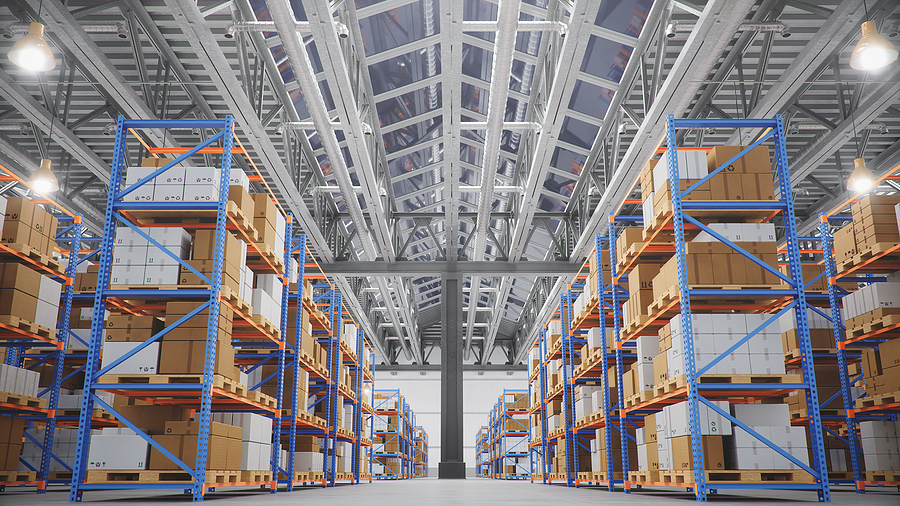
Challenges in Warehouse Investments in Ghana and How to Overcome Them
- Market Fluctuations: The real estate market for warehouses can be quite volatile, and future value is not easy to predict.
- Capital Investment: A large initial capital outlay for the purchase or building of a warehouse is quite an investment, and it may be an entry barrier for some investors.
- Location and Demand: This is a critical decision because it determines future demand, operational costs, and access to major markets.
- Regulatory and Zoning Issues: Each location has its own zoning laws, regulations, and environmental concerns that may affect profitability or limit use.
Conclusion
Investment in Ghanaian warehousing presents a one-of-a-kind and promising opportunity for an investor willing to capitalize on the growing demand for modern and efficient storage. As the industries of e-commerce, retail, and manufacturing expand, so does the need for high-quality Commercial Warehouse in Ghana; therefore, this sector is strategic in that sense. This means that the investor, through careful consideration of location, design, and tenant profiles, and strategies such as optimization of warehouse layout and utilization of technology, can maximize their returns on warehouse investments.
Despite challenges in areas such as market fluctuation and high capital requirements, it still has a very great propensity for long-term profitability. With strategic planning and insights into the changing dynamics within the logistics landscape, Commercial Warehouse in Ghana presents a clear-cut route to profitable real estate investment.
