
A Guide to Modular Home Construction in Ghana
Learn how modular homes in Ghana offers affordable, efficient, and eco-friendly housing solutions. Explore the process, benefits, and why this innovative method is perfect for Ghana’s urban and rural housing needs.
Ghana’s housing deficit continues to grow, with urbanization, population increases, and rising construction costs placing immense pressure on families and policymakers. The Ministry of Works and Housing estimates a housing deficit of over 1.8 million units in Ghana, highlighting the need for cost-effective, efficient, and sustainable solutions.
This is where modular homes in Ghana comes in. Modular homes provide an innovative alternative to traditional brick-and-mortar houses, offering affordability, shorter timelines, and eco-friendliness—all critical to solving Ghana’s housing challenges.
In this guide, we’ll discuss the concept of modular homes, their construction process, and the benefits they offer to Ghanaian homeowners, developers, and investors.
What Are Modular Homes?
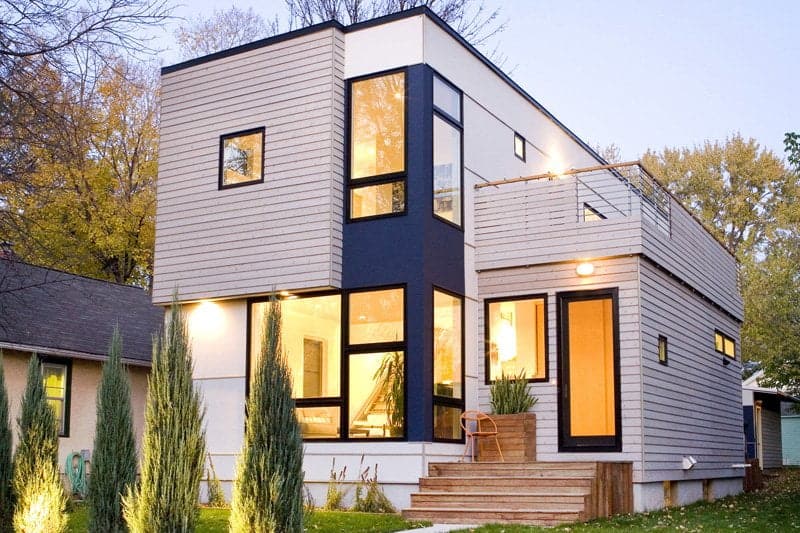
Modular homes are prefabricated houses built in sections or “modules” in a controlled factory environment. These modules are then transported to the site and assembled on a permanent foundation. Though the construction method differs, modular homes adhere to the same building standards and codes as traditional homes in Ghana.
Modular homes are highly customizable and versatile, offering solutions for:
- Urban Housing: Affordable modular homes in cities like Accra, Kumasi, and Takoradi can reduce overcrowding.
- Rural Development: Modular construction can quickly provide homes in remote regions with limited access to building materials.
- Housing for Projects: For mining companies, schools, or healthcare centers in rural Ghana, modular buildings can serve as durable housing for staff.
Why Modular Homes Make Sense for Ghana?
Ghana’s rapid urbanization has resulted in increased demand for housing, particularly in areas like Greater Accra and Ashanti regions. Traditional construction methods often fail to keep up due to high costs, labor shortages, and material inefficiencies.
Modular homes address these challenges with their unique features:
- Affordability: Modular construction reduces overall costs, making home ownership accessible to middle and lower-income families.
- Speed: A modular home can be completed in weeks rather than months, reducing delays caused by Ghana’s rainy seasons.
- Energy Efficiency: Modular homes often incorporate insulation and eco-friendly materials, helping homeowners save on energy bills.
According to the Ghana Real Estate Developers Association (GREDA), adopting innovative construction techniques like modular homes can help close the housing deficit while maintaining affordability and quality.
Modular Homes vs. Traditional Construction in Ghana
To understand the value of modular homes in Ghana, it’s important to compare them to traditional construction methods:
| Aspect | Modular Homes | Traditional Homes |
| Time | 6–12 weeks | 6–12 months |
| Cost | Lower due to reduced labor & waste | Higher due to material costs |
| Quality Control | Built in a controlled factory | Prone to on-site delays/errors |
| Energy Efficiency | Higher with insulation options | Lower, depends on builder |
| Weather Delays | Minimal | Frequent during rainy seasons |
For Ghanaian homeowners who face delays during the heavy rains of May–July and September–October, modular construction offers a weather-resistant alternative.
Explore Building Your Dream Home in Ghana: What You Need to Know
The Construction Process of Modular Homes in Ghana
- Design and Planning
Modular home construction begins with thorough design and planning. Using Computer-Aided Design (CAD) software, homeowners collaborate with architects and manufacturers to customize the layout, features, and finishes of their homes.
In Ghana, designs can incorporate cultural preferences such as courtyards, verandas, and spacious rooms suited for extended families.
- Factory Construction
Once the design is approved, construction begins in a factory. Each module is built with materials like reinforced steel frames or wood panels, ensuring durability against Ghana’s humid and coastal climate.
Features include:
- Plumbing and Electrical Systems pre-installed.
- High-quality insulation for temperature regulation.
- Durable roofing to withstand heavy rainfall.
- Quality Control
Factories ensure quality through inspections at every stage, adhering to local building regulations set by Ghana Standards Authority (GSA).
- Transportation
Once complete, the modules are transported to the building site on flatbed trucks. For rural areas, where road access may be limited, smaller modules can be designed to suit the terrain.
- Assembly on Site
The modules are assembled on a pre-prepared concrete foundation using cranes. Final connections for electricity, plumbing, and roofing are made, creating a seamless structure.
- Finishing Touches
Interior and exterior finishes are applied, including paint, flooring, cabinetry, and fixtures.
- Inspection and Handover
Before occupancy, local authorities inspect the modular home to ensure it meets safety and building standards.

Benefits of Modular Homes in Ghana
- Affordability
Modular construction reduces costs by up to 30%, making home ownership more accessible to Ghanaians. By cutting labor expenses and minimizing material waste, developers can offer high-quality homes at lower prices.
- Faster Construction Times
While traditional homes in Ghana can take months, modular homes are completed in as little as 12 weeks. This is particularly advantageous in cities like Accra, where housing demand is urgent.
- Sustainability
Modular homes are more environmentally friendly:
- Energy Efficiency: Insulated materials reduce reliance on air conditioning.
- Reduced Waste: Factory-based construction minimizes excess materials.
Given Ghana’s growing focus on green building practices, modular homes align perfectly with sustainable housing goals.
- Durability
Ghana’s modular homes are built to withstand local climate challenges, including coastal humidity and heavy rainfall. Materials like steel frames and insulated panels offer long-term resilience.
- Flexibility and Customization
Homeowners can tailor their modular homes to suit their budgets and preferences, whether opting for:
- Single-family bungalows.
- Multi-story homes.
- Affordable rental units for urban housing projects.
- Job Creation
The modular home industry can stimulate job creation in Ghana through factories, transport services, and on-site assembly work. Local artisans can also participate in interior finishing and customization.
Read about: Green and Sustainable Homes in Ghana
Modular Homes for a Sustainable Future in Ghana
Ghana’s housing sector must innovate to meet rising demand and overcome affordability challenges. With organizations advocating for efficient housing solutions, modular homes are poised to play a significant role.
Additionally, companies can incorporate renewable energy solutions like solar panels and rainwater harvesting systems into modular designs, aligning with Ghana’s sustainable development goals (SDGs).
Conclusion
Modular home construction offers a game-changing solution to Ghana’s housing crisis. By combining affordability, speed, quality, and sustainability, modular homes provide a practical alternative for urban, rural, and commercial housing needs.
For Ghanaians looking to build durable homes without long delays and high costs, modular construction is a smart investment in the future. As the real estate market evolves, embracing modular homes will help address the country’s housing deficit while promoting economic growth and environmental sustainability.
If you’re considering a modern, cost-effective home in Ghana, modular construction might be the ideal solution for you.
