
The Role of Architects in Ghana’s Real Estate Development
Architects in real estate development in Ghana are an essential element in real estate development, as they play a vital role in shaping the country’s architectural identity. Architects in real estate development Ghana are increasingly adopting sustainable design practices, such as the use of local materials and eco-friendly techniques. This not only helps protect the environment but also boosts the local economy. Today Enmaa is going to tell you everything about Architects in real estate development in Ghana.
Architects in real estate development Ghana also seek to integrate traditional architectural designs with modern designs, creating unique spaces that reflect the country’s cultural heritage. This balance shows how architecture can be a bridge between the past and the present. Architects in real estate development Ghana always work to understand the needs of local communities when designing real estate projects. This includes creating public spaces and social hubs that foster interaction between residents.
Architects in real estate development Ghana rely on modern technology, such as advanced architectural design software, to create innovative designs that meet the demands of the times. This improves construction efficiency and reduces costs.
Projects that combine residential, commercial, and recreational areas are considered modern architectural innovations. These projects contribute to creating vibrant urban environments that contribute to economic growth. With the climate change that Ghana is facing, architects are developing designs that take into account flooding and rising temperatures. This ensures that buildings are sustainable and able to meet environmental challenges
Architects in real estate development Ghana contribute to improving the quality of life for residents by designing comfortable and bright interior spaces. Architects work to integrate cultural and artistic elements into designs, which enhances the value of properties and attracts visitors and investors.
Architects contribute to strengthening the local economy and creating new job opportunities, by employing local craftsmen and using local materials.
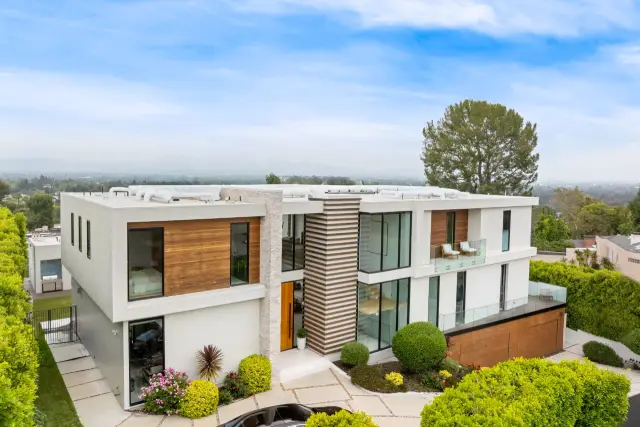
How do architects bridge heritage and contemporary culture in real estate design in Ghana?
Architects in real estate development Ghana play a pivotal role in bridging the country’s rich cultural heritage with contemporary design trends, by integrating traditional values with modern innovations to develop urban environments through architectural urbanism while preserving Ghanaian identity.
How do Architects in Ghana’s Real Estate Development contribute to preserving cultural identity?
Architects in real estate development Ghana contribute to preserving cultural identity by reintegrating traditional architectural culture into their designs with some architectural evolutionary features. This is based on a deep understanding of cultural heritage, including the forms, patterns, and details that express Ghanaian culture. Many architects rely on traditional architectural techniques, such as brick and mud construction, to produce designs that reflect heritage. These techniques contribute to providing a comfortable living environment that is suitable for the local climate. Architects also focus on creating public spaces such as plazas and parks that promote social interaction and allow residents to celebrate Ghanaian culture. These spaces help achieve a balance between urban living and Ghanaian cultural heritage.
You can also read about Prime Investment: Properties for Sale in Ghana
How do architects contribute to community organizations in Ghana?
Architects in real estate development Ghana contribute to community organization in Ghana in many ways by designing urban and sustainable housing that enhances the quality of life and meets the needs of residents through:
- Urban city planning: Architects play an important role in designing urban cities that allow for a balanced distribution of basic services such as schools, hospitals, and public facilities, which helps reduce congestion and provide better access to services.
- Designing sustainable buildings: Architects seek to create buildings that rely on environmentally friendly construction techniques such as using local materials and improving energy and water consumption, which reduces the negative impact on the environment and enhances the sustainability of resources.
- Improving infrastructure: By designing and developing infrastructure projects such as roads, bridges, and public spaces, engineers contribute to improving traffic and access to different areas.
- Rural community planning: Architects work to improve and develop villages and rural areas by providing infrastructure that suits the needs of the population and helps raise the level of development.
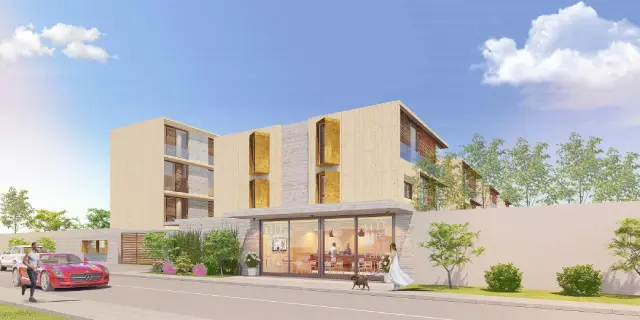
However, there are several challenges and risks facing Architects in Ghana’s Real Estate Development, such as:
-
Bureaucracy:
Complex and changing architectural laws and regulations, lead to delays in issuing permits and slow implementation procedures, which harms the timing and delivery of projects.
-
Inadequate infrastructure:
Some areas in Ghana lack basic infrastructure such as roads, water, and electricity, which limits the ability of architects to implement their designs effectively and increases construction costs.
-
Lack of funding and resources:
Architects in real estate development Ghana suffer from a lack of funding, which makes it difficult for them to implement sophisticated and sustainable designs. The cost of imported materials and high land prices also add to this challenge.
-
Rapid urban transformations:
Major cities such as Accra are experiencing rapid urban expansion, which leads to challenges in designing infrastructure and services that keep pace with this rapid population growth. Unplanned expansion leads to congestion and unbalanced land use.
-
Lack of local skills and expertise:
Although there are some skilled architects, there is a lack of specialized skills required to design and implement large and complex projects, forcing some companies to rely on foreign expertise.
-
Climate change:
Architects in real estate development Ghana face the challenge of adapting to climate change in their designs, especially in light of rising temperatures and frequent flooding, which requires sustainable designs that take these factors into account.
However, there are many positive aspects such as:
- The increasing demand for housing, especially in major cities, allows architects to design innovative housing projects.
- The increase in foreign investment in real estate in Ghana provides an opportunity for major real estate projects that require modern and innovative architectural designs.
- With the increasing environmental awareness in Ghana, the demand for sustainable and environmentally friendly buildings is increasing, which provides architects with an opportunity to adopt sustainable construction techniques and achieve leadership in this field.
- The expansion of commercial and tourism projects and the construction of many commercial and hotel projects.
- The reliance on modern technologies such as digital design and 3D printing can reduce costs and speed up the implementation of projects, which opens up new horizons for architects to benefit from.
Explore: How much do i need to invest in real estate in Ghana?
Technology and Architectural Development in Ghana:
Architects in real estate development Ghana are using modern technologies to improve the efficiency of design and construction processes and provide innovative and sustainable solutions. Technology plays a crucial role in changing Architects in real estate development Ghana. Here are some ways technology is contributing to this change:
Design using 3D modeling software (BIM):
This software enables architects to create detailed 3D models of buildings, which helps in visualizing the project more accurately. It also facilitates communication between engineers and contractors and reduces potential errors during the implementation stages.
3D printing:
Which enables architects in Ghana to print miniature models of buildings or even parts of architectural structures. This technology also allows for the construction of residential or commercial units faster and at lower cost.
Sustainability and smart materials:
Modern construction technology relies on the use of smart materials such as self-healing concrete and smart glass that control the transmission of heat and light.
In Ghana, these technologies are being adopted in some projects to save energy and reduce maintenance costs, such as the use of self-healing concrete and smart glass that controls the transmission of heat and light. This contributes to enhancing sustainability in the real estate sector.
Virtual and Augmented Reality (VR and AR):
Using VR and AR technologies, architects can present designs to clients and real estate developers in an interactive way. They can “take a virtual tour” of buildings before they start construction, helping to make better design decisions and avoid costly modifications later.
Modular Construction Techniques:
Modular construction relies on manufacturing building units in dedicated factories and then transporting and installing them on-site. This type of construction is becoming increasingly popular in Ghana due to its speed and efficiency. Thanks to technology, large projects can be completed in a short period while reducing costs and ensuring better quality.
Renewable Energy and Solar Panel Technology:
With the increasing reliance on solar energy and renewable energy technologies, architects in Ghana can integrate sustainable energy systems into their designs. These technologies help reduce reliance on traditional electrical grids, especially in remote areas, enhancing the sustainability of real estate projects.
Automation and Smart Home Systems:
Automated control systems have become an essential part of luxury residential Architects in real estate development Ghana can integrate smart home technologies that enable residents to remotely control home appliances and electrical systems using smartphones or tablets.
