
How Digital Payments are Transforming Real Estate Transactions in Ghana
A digital payment, also called an electronic payment, is a transaction where value is transferred between accounts using a certain type of digital device or channel. Examples of such transactions include those through bank transfers, mobile money, QR codes, and even credit, debit, and prepaid cards as payment tools. The nature of digital payments real estate Ghana may be partial or fully digital.
digital payments real estate Ghana have experienced substantial growth, particularly due to the increasing adoption of mobile money services. By 2023, the total value of digital payments in the country was projected to reach $5.87 billion, with mobile point-of-sale (POS) payments being the largest contributor. It is anticipated that digital payments will continue to grow annually by 18.33% from 2023 to 2027, ultimately reaching a market value of $11.51 billion by 2027.
Traditional real estate transactions, such as cash payments, bank checks, direct transfers, manual registration, and agent-driven deals, have several drawbacks.
Cash transactions pose theft risks and lack transparency, while bank checks and transfers can be slow and costly, especially internationally. Manual registration is prone to errors and delays due to bureaucracy, and using agents often leads to high commissions and potential conflicts of interest. Additionally, auction sales can skip essential due diligence, resulting in unpredictable pricing.
These issues underscore the need for modern, efficient, and secure alternatives in real estate.
Digital transactions streamline processes by eliminating manual paperwork and reducing administrative tasks, saving time and resources for all parties and leading to quicker deal closures. They cut costs associated with printing, courier services, and storage typical of traditional methods.
Furthermore, online property listings and virtual tours enhance transparency and accessibility, allowing potential buyers to explore properties remotely. Secure document-sharing platforms provide easy access to important transaction documents, minimizing the risk of loss or misplacement.
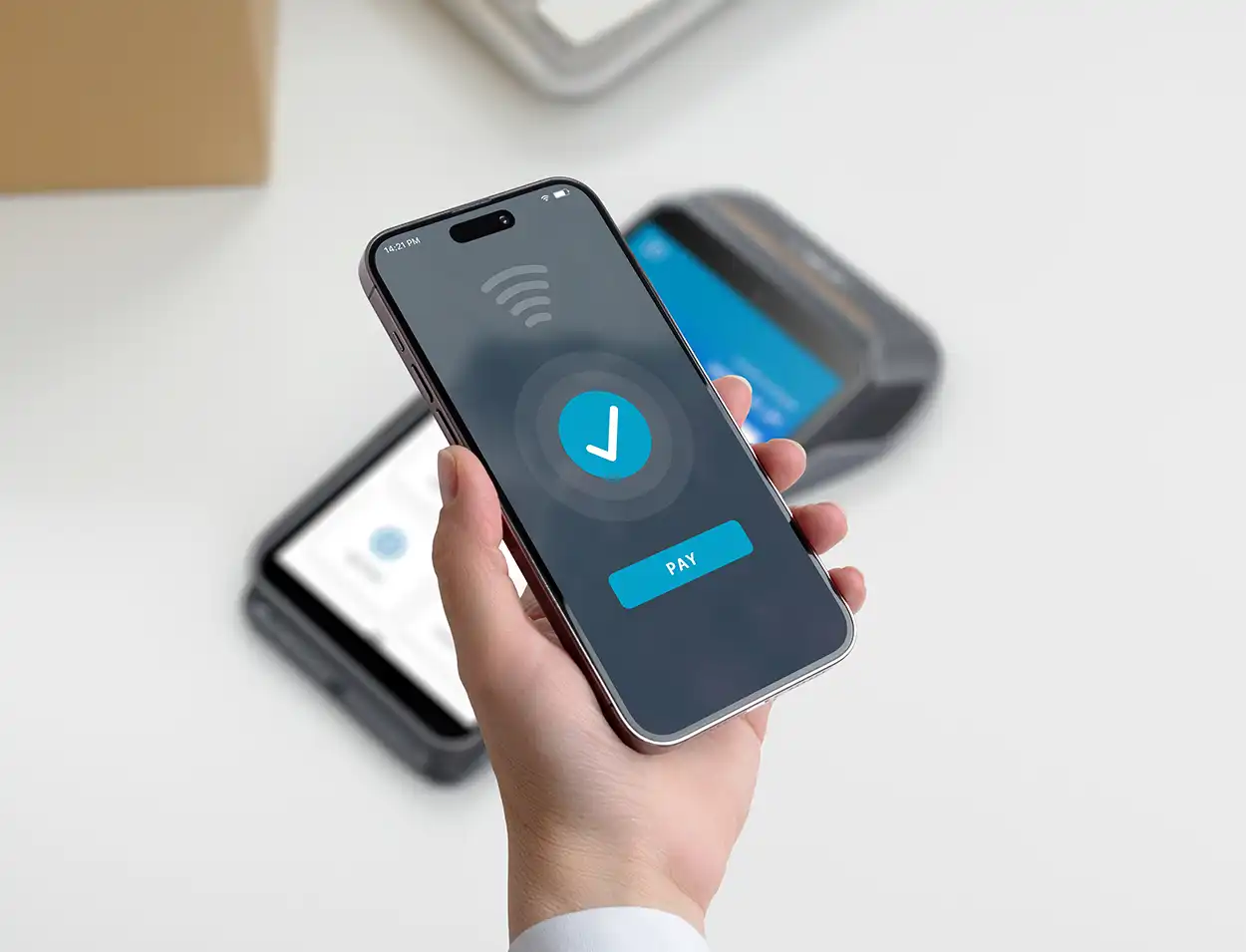
Overview of digital payments real estate Ghana
Digital transactions streamline processes by eliminating manual paperwork, reducing administrative burdens, and saving time and resources, which leads to faster deal closures. They also provide cost savings by lowering expenses related to printing, courier services, and storage.
In Ghana, the growth of mobile money platforms, online banking, and fintech solutions has transformed the financial landscape. Services like MTN Mobile Money allow millions to easily conduct transactions, pay bills, and transfer funds without needing a bank account. This accessibility extends online banking services for balance inquiries and payments as well.
Innovative fintech solutions, such as peer-to-peer lending and digital wallets, have further enhanced financial inclusion, particularly for underserved rural populations, and contributed to a shift toward a less-cash economy and increased digitization of payments.
Know more: Top Locations for Luxury Villas in Ghana
Key Benefits of digital payments real estate Ghana
Digital transactions benefit real estate buyers and sellers in a host of ways. They enhance efficiency, speed up transactional cycles, and thereby ensure that deals are closed sooner. Automation reduces costs on the part of each participant. Additionally, digital transactions improve accuracy, minimizing the risks of manual data entry and document handling errors.
Other merits include increased transparency and accountability. Access to information and the ability to track a transaction’s progress in real time enhance transparency and build confidence for the parties involved. Digital transactions’ flexibility further allows for remote deals, where buyers and sellers can execute transactions from any location.
Explore: How to Choose the Best Location for Your Vacation Home in Ghana?
Challenges and Considerations about digital payments real estate Ghana
- Security Concerns: Digital payment systems are vulnerable to cyber-attacks, fraud, and data breaches. Financial transactions in real estate are particularly sensitive, making security a significant concern. Unauthorized access to accounts or personal information can lead to substantial financial losses.
- Technical Barriers: Not everyone involved in real estate transactions has access to the necessary technology or is familiar with digital payment channels. Buyers, sellers, and agents in rural or less privileged areas may struggle with online payment systems, especially where internet access is poor or unreliable.
- Regulatory Issues: Unclear and inconsistent regulations regarding digital payments can lead to legal and compliance challenges. Issues may arise with cross-border payments, currency exchange, or the legal validity of digital signatures and contracts in different jurisdictions.
- Transaction Fees: While digital payment methods can reduce some costs, certain platforms impose high transaction fees or service charges. These additional costs can be burdensome in real estate transactions, which typically involve larger sums of money.
- Lack of Trust: Many individuals and businesses, especially in traditional markets, remain skeptical of digital payment methods. Concerns about the safety of funds, privacy, and potential technical issues can make people hesitant to use these digital systems.
- Limited Adoption by Industry Professionals: Not all real estate agents, developers, or legal professionals are fully equipped or willing to accept digital payments. This reluctance can hinder the widespread adoption of these systems throughout the industry.
- Integration Issues: Integrating digital payment systems with existing real estate platforms or databases can be complicated or costly. This challenge can prevent seamless transactions across different platforms and lead to inefficiencies in the overall process.
Future Trends and Opportunities about digital payments real estate Ghana
Emerging technologies, such as blockchain and cryptocurrency, have revolutionized the real estate sector by providing greater transparency, security, and efficiency. Blockchain enables secure and transparent transactions through decentralized ledgers and smart contracts, which automatically execute agreements and reduce the need for intermediaries. Additionally, blockchain allows for property tokenization, making fractional ownership and investment much simpler.
Cryptocurrency supports faster and more cost-effective cross-border transactions and facilitates decentralized finance, thereby creating new financing opportunities. These technologies also help mitigate fraud risks and enhance market liquidity. However, challenges such as regulatory uncertainty and market volatility need to be addressed to promote broader adoption within the real estate industry.
Conclusion
digital payments real estate Ghana are increasingly becoming the norm in Ghana, simplifying the transaction process and making it more transparent and accessible. The speed and efficiency of these digital payments real estate Ghana are transforming traditional real estate practices, eliminating the challenges associated with cash, checks, and manual systems. As Ghana continues to adopt mobile money and fintech solutions, both buyers and sellers can benefit from streamlined processes, reduced costs, and faster deal closures.
However, despite these advantages, several challenges persist. Issues such as security concerns, limited digital literacy, and regulatory hurdles present significant obstacles to the full utilization of these systems in the industry. With the rapid evolution of innovative technologies like blockchain and cryptocurrency, there is considerable potential for growth in this area of the real estate sector.
Embracing these technological advancements creates new opportunities for investors, developers, and consumers in the Ghanaian real estate market. Ultimately, the future of real estate in Ghana is closely tied to the continued growth and integration of digital payments real estate Ghana, which promise to enhance the industry’s efficiency and promote greater financial inclusion.
