
Exploring Opportunities for Agricultural Real Estate Investment in Ghana
Ghana’s agricultural sector plays a crucial role in the nation’s economy, employing 33% of the workforce and providing numerous investment opportunities across various subsectors. With a landscape dominated by smallholder farmers, the potential for agricultural real estate investment in Ghana is vast. This blog will explore the different sub-sectors, regulatory environment, investment opportunities, and essential considerations for investors interested in agricultural real estate investment in Ghana.
General Overview of Ghana’s Agricultural Sector
Ghana’s agriculture can be divided into four primary subsectors: crops, livestock, fisheries and aquaculture, and forestry and logging.
-
Crops
Ghana is among the top producers of several crops worldwide. The crop subsector includes:
- Industrial Crops: Cocoa, oil palm, coconut, coffee, cashew, and rubber. Ghana is the second-largest producer of cocoa globally, contributing significantly to the nation’s foreign exchange earnings.
- Starchy Staples, Cereals, and Legumes: Key crops include cassava, cocoyam, yam, plantain, millet, and groundnuts. Ghana ranks fourth globally in cassava production, with about 70% of smallholder farmers engaged in its cultivation.
- Fruits and Vegetables: Major produce includes bananas, pineapples, citrus fruits, mangoes, peppers, tomatoes, eggplants, onions, and pawpaw.
-
Livestock Production
Ghana has a growing livestock sector, primarily focused on poultry, cattle, sheep, goats, and pigs. In 2020, the country produced approximately 73,000 tonnes of chicken, although it still relies heavily on imports to meet demand.
-
Fisheries and Aquaculture
Fish accounts for 60% of Ghana’s protein requirements. The sector is primarily driven by marine fishing, which contributes significantly to total fish production. However, depleting fish stocks have prompted a push towards aquaculture, creating investment opportunities in this area.
-
Forestry and Logging
With about 8 million hectares of forested land, Ghana’s forestry sector has potential for sustainable logging and timber export. In 2020, the country exported over 25,890 cubic meters of timber billets.
Explore: Top Factors to Consider When Buying Land in Ghana
Key Attraction of Agricultural Real Estate Investment in Ghana
Tax Incentives
The Ghanaian government offers various tax incentives to attract agricultural real estate investment in Ghana, including:
- Tax Holidays: Ranging from 5 to 10 years.
- Concessionary Corporate Income Tax Rates: Reduced rates for companies investing in the agricultural sector.
- Carryover Tax Losses: Companies can carry tax losses for up to five years.
Human Resources
Ghana boasts one of the highest literacy rates in West Africa, complemented by a youthful population. The relatively low labor costs make the country attractive for agricultural ventures.
Land Acquisition and Management
Land ownership in Ghana is regulated, providing relatively easy access to farmlands. The Ministry of Food and Agriculture has developed a Model Lease Agreement, simplifying the leasing process for large-scale farmers.
Investment Opportunities in Ghanaian Agriculture
-
Large Tracts of Arable Land
Ghana has about 13.6 million hectares of agricultural land, but only 50% is currently under cultivation. This presents significant opportunities for investors looking to develop projects of agricultural real estate investment in Ghana.
-
Poultry and Fish Feed Equipment Manufacturing
With the lack of commercial production of poultry and fish feed due to unavailability of machinery, there is a demand for manufacturing this essential equipment.
-
Aquaculture Production
Investment in modern aquaculture technology can enhance efficiency and sustainability, addressing the growing protein demand in Ghana.
-
Rice Production
Given the high imports of rice, there is a substantial opportunity for investors in commercial rice farming to meet local demand.
-
Cocoa Processing
Investors can engage in cocoa processing to improve sustainability in production practices and enhance the quality of cocoa products.
-
Shea Butter Processing
The global demand for shea butter continues to rise, making it a lucrative area for investment.
-
Climate-Resistant Seeds and Technology
Climate change is affecting farming practices. Investments in the development of climate-resistant seeds and technologies can significantly benefit the agricultural sector.
Finding Agricultural Land for Sale in Ghana
Investors seeking agricultural land in Ghana can utilize various platforms and strategies from online resources.
Local Engagement
Networking with local farmers’ associations and communities can lead to potential land opportunities and partnerships.
Types of Available agricultural real estate investment in Ghana
Understanding the different types of agricultural land in Ghana is essential for investment:
- Farmland: Specifically designated for agricultural activities, varying in size and type.
- Registered Land: Legally registered with the Lands Commission, offering greater security.
- Leasehold Land: Involves a lease agreement with the landowner, suitable for shorter-term projects.
- Coastal Land: Ideal for aquaculture and marine-related activities, requiring specific permits.
- Mountain Land: Presents unique challenges but can be suitable for specific farming practices.
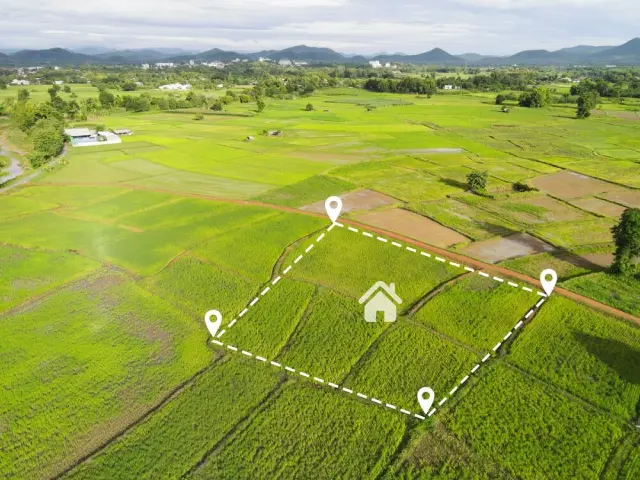
Factors Influencing Land Prices
Land prices in Ghana are influenced by several factors:
- Location: Proximity to urban centers and infrastructure can significantly impact prices.
- Size: Larger tracts of land usually command higher prices.
- Soil Quality: Fertile, well-drained land is highly sought after.
- Water Availability: Access to reliable water sources increases land value.
- Land Use Restrictions: Zoning and regulations can affect land prices.
- Land Title Status: Clear and registered titles are more valuable.
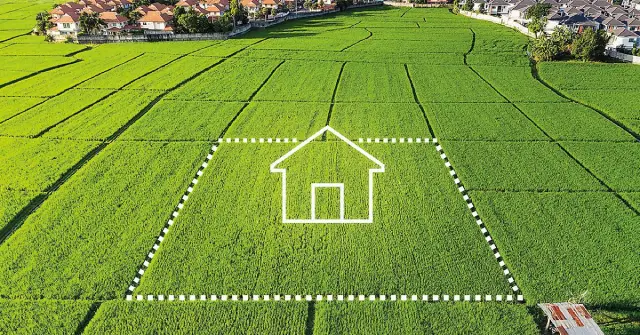
Legal Considerations for Investors
Navigating the legal landscape of land ownership in Ghana requires understanding the following:
- Land Use and Spatial Planning Act (Act 925): This act outlines regulations for land ownership and use.
- Land Title Deeds: Ensuring clear ownership is essential.
- Land Registration: Familiarize yourself with the registration process to secure legal protection.
- Permits: Specific permits may be necessary for agricultural activities.
- Land Disputes: Conduct thorough due diligence to avoid potential legal conflicts.
- Professional Legal Advice: Engaging with real estate lawyers can provide valuable guidance.
Challenges and Opportunities in Ghana’s Agricultural Sector
While there are significant opportunities in Ghana’s agricultural sector, challenges persist:
Challenges
- Climate Change: Unpredictable weather patterns impact yields and farming practices.
- Limited Irrigation Infrastructure: Heavy reliance on rainfall exposes farmers to drought risks.
- Land Tenure Issues: Unclear ownership can hinder investment.
- Access to Finance: Smallholder farmers often struggle to obtain funding.
- Post-Harvest Losses: Inefficient storage leads to significant food waste.
- Market Access Challenges: Farmers may face difficulties in obtaining fair prices.
Opportunities
Despite these challenges, there are numerous avenues for growth:
- Growing Domestic Demand: The increasing population leads to higher food demand.
- Emerging Markets: Expanding exports to regional and international markets offers growth potential.
- Technological Advancements: The adoption of modern agricultural technologies can improve efficiency.
- Government Support: Policies aimed at promoting agricultural development can enhance investment opportunities.
- Focus on Sustainable Agriculture: Emphasizing sustainability will attract eco-conscious investors.
Read about: Top Factors Affecting Land Prices in Ghana’s Coastal Regions
Conclusion
agricultural real estate investment in Ghana presents a wealth of investment opportunities for those looking to engage in real estate within the industry. With its fertile lands, supportive regulatory environment, and growing demand for agricultural products, investors can find lucrative ventures in crop production, livestock farming, aquaculture, and value-added processing. By understanding the landscape, legal considerations, and potential challenges, investors can successfully navigate agricultural real estate investment in Ghana and contribute to the nation’s food security and economic growth.
