
Exploring the Demand for green roof homes Ghana
Adopting green roof homes Ghana is a key step toward improving environmental sustainability and balancing urban development with environmental protection. These homes are a modern solution to address the challenges of pollution and increase green spaces in cities suffering from overcrowding and rapid urbanization.
The adoption of green roofs can reduce energy consumption, improve air quality, and mitigate the effects of climate change. This trend is gaining increasing interest in Ghana, as residents seek innovative solutions that promote sustainability and provide a healthy environment.
These roofs also contribute to improving the thermal insulation of buildings, leading to reduced cooling and heating costs for residents.
Improving Environmental Sustainability:
Building green roof homes Ghana helps reduce the negative impacts of urban sprawl on the environment. Covering roofs with plants reduces the carbon footprint of buildings, and plants absorb carbon dioxide and release oxygen, improving air quality.
Reducing Temperatures in Cities and Urban Areas:
Many cities and urban areas suffer from high temperatures due to the “urban heat island” phenomenon. Therefore, building green roof homes Ghana can provide a cooling effect. Plants on roofs help lower temperatures, reducing the need for expensive air conditioning systems.
To improve thermal insulation, we must adopt green roof homes Ghana. Green roofs provide natural insulation for buildings against high summer temperatures and cold winter temperatures, reducing energy consumption and lowering the cost of cooling and heating.
Green roofs are a great addition to the limited green spaces in cities, enhancing landscapes and improving the quality of life in urban areas.
What are the challenges facing the construction of green roof homes Ghana?
-
High Costs:
Despite the long-term environmental and economic benefits, the initial cost of installing green roofs can be high. It requires significant investment in materials, design, and installation, which can be a barrier for some residents and real estate developers.
-
Lack of Public Awareness of Green Roofs:
Despite the numerous benefits of green roof homes Ghana, local awareness of the concept remains limited. Architects and real estate developers face significant challenges in convincing residents and investors to adopt this new technology, especially given the preference for traditional building solutions due to their community value and lower costs.
-
Ghana’s Climate
For a green roof project in Ghana to succeed, it is essential to have robust irrigation infrastructure and modern drainage systems. However, in some areas of Ghana, harsh climatic conditions, such as prolonged periods of drought or heavy rainfall, can be a challenge in maintaining the health of green roof plants.
-
Lack of local design skills:
Implementing green roof projects in Ghana requires specialized construction and design skills. However, it can be difficult to find trained professionals specialized in installing and maintaining these systems in Ghana, which can lead to implementation challenges.
Green roofs also require regular maintenance to maintain their health and efficiency. Especially in a hot and humid environment like Ghana, plants can be exposed to harsh environmental factors, requiring increased effort and resources to maintain.
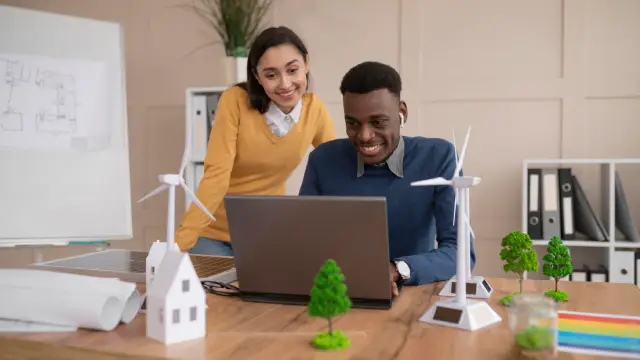
How can a green roof project in Ghana change the landscape of urban construction?
A green roof project in Ghana can have a significant impact on the urban environment in several ways, including:
Improving air quality:
When green roofs are built in Ghana, they act as natural air purification systems, absorbing carbon dioxide and releasing oxygen.
This can reduce pollution levels in Ghanaian cities, which are experiencing an increase in pollution due to population growth and urban expansion.
Reducing energy consumption:
In a green roof housing project in Ghana, plants covering green roofs help reduce temperatures in buildings by providing shade and natural insulation against heat. This can reduce the need for air conditioning, contributing to lower energy consumption and lowering costs.
Combating the urban heat island phenomenon:
In large cities like Accra, where many areas suffer from high temperatures due to expanding concrete roofs, a green roof building project in Ghana can reduce this phenomenon by absorbing heat and releasing moisture.
Solving the problem of excess rainwater:
Establishing a green roof housing project in Ghana can help absorb rainwater and reduce surface water flow. Where floodwater can cause damage, green roofs can be part of a sustainable solution to improve water management and reduce the effects of flooding.
Working to restore ecological balance:
Adding plants to roofs in green roof housing projects in Ghana can enhance biodiversity in urban areas, contributing to a natural habitat that supports wildlife. Rooftop plants may attract birds and insects, helping restore the balance of ecosystems.
Environmental sustainability in cities.
The presence of green spaces in cities also contributes to improving the mental health of residents, as studies have shown that being in a natural environment reduces stress and anxiety levels.
Economic sustainability:
In the long term, green roofs can provide economic returns by reducing energy costs and increasing the value of properties with green roofs, making them an economically viable investment in Ghanaian cities.
Thus, by integrating green roofs into urban construction, Ghana can see improvements in the urban environment, achieve environmental sustainability goals, and provide more green spaces that contribute to improving the lives of residents.
Could green roof homes Ghana become mainstream?
With rapid urban growth and increasing environmental challenges, sustainable construction in Ghana has become a pressing issue. Green roofs could become an important part of this shift toward sustainable construction, but the question remains: Will green roofs become mainstream in Ghana? Here are some points that may determine this:
- With growing environmental awareness in Ghana, there is greater interest in sustainable solutions that improve the quality of urban life.
Building green roof homes Ghana offers significant environmental benefits, such as improved air quality, reduced temperatures, and stormwater management, in line with the global trend toward smart and sustainable cities.
- Although the initial cost of installing green roofs may be high, the long-term benefits can be significant, such as reduced air conditioning and insulation costs.
Furthermore, green roofs can increase property values, encouraging investors and building owners to embrace the idea.
- Ghana, like many African countries, faces climate challenges such as rising temperatures and drought. Green roofs are an effective solution to mitigate the urban heat island phenomenon and reduce the effects of climate change.
Adding plants to rooftops can contribute to reducing energy consumption in buildings, which helps reduce carbon emissions, which is important for environmental health.
- Green roofs enhance the well-being of residents by providing peaceful green environments for rest and recreation. With increasing urban pressure, these green spaces can be important for improving the quality of life in dense cities.
The presence of green roofs can also help increase biodiversity in cities, which supports the natural environment.
- It is essential that government support is provided in Ghana to encourage the adoption of green roof homes Ghana, whether through financial incentives or through legislation that encourages the creation of these spaces.
Some governments in other African countries have begun enacting laws that make green roofs part of urban standards. If Ghana adopts similar policies, this could be a catalyst for widespread adoption of this concept.
- The initial cost of implementing green roofs may be a barrier to their widespread adoption in Ghana, especially in low- and middle-income economies.
It may require significant investments in education and technical training to prepare local personnel for the implementation and maintenance of green roofs.
- Leveraging the experience of neighboring countries:
Some cities in Africa, such as Nairobi, Kenya, have begun implementing green roofs on modern buildings, which could serve as a successful model for Ghana.
Conclusion
As Ghana continues to urbanize and confront pressing environmental challenges, green roof homes Ghana offer a promising path toward sustainable development. While hurdles such as high initial costs, limited awareness, and climate-related maintenance remain, the long-term environmental, economic, and social benefits of green roofs cannot be overlooked.
