
Ghana’s Real Estate: The Rise of Co-Living Spaces
co-living spaces in Ghana are fast gaining popularity in Accra, offering young professionals and expatriates a trendy, affordable, and community-driven way of living. As more people seek flexible living arrangements, Ghana’s property developers are responding with modern homes that combine private rooms with shared amenities such as kitchens, lounges, and recreational spaces. This innovative setup allows residents to enjoy a vibrant lifestyle without the financial burden of renting a full apartment on their own.
In a city where renting a two-bedroom apartment can be expensive, co-living spaces in Ghana provides a practical solution. By splitting costs, residents can enjoy living in prime locations while avoiding the high prices associated with traditional rental models. However, one common challenge of co-living is finding the right roommate, as compatibility can make or break the experience. Fortunately, the rise of social media and specialized co-living platforms has made it easier for individuals to find compatible housemates, enhancing the appeal of this housing model.

The Key to Successful Co-Living Spaces in Ghana
For property developers in Ghana, the location of co-living spaces is a major factor in their success. Many developers are focusing on prime areas in Accra, building co-living spaces near public transportation hubs, popular restaurants, and coworking spaces. This adds a layer of convenience to daily life, making co-living spaces in Ghana particularly attractive to young professionals who seek to minimize commute times while enjoying easy access to urban amenities.
Co-living isn’t just for locals; expatriates and companies relocating employees to Accra are also embracing the concept. These spaces offer an affordable and flexible alternative to traditional housing, with the added benefit of fostering a sense of community in a bustling city.
In summary, the rise of co-living in Accra reflects a growing trend towards affordable, community-oriented living. Thanks to the ingenuity of property developers, residents can enjoy a connected lifestyle in one of Africa’s fastest-growing urban centers.
What Exactly is Co-Living spaces in Ghana?
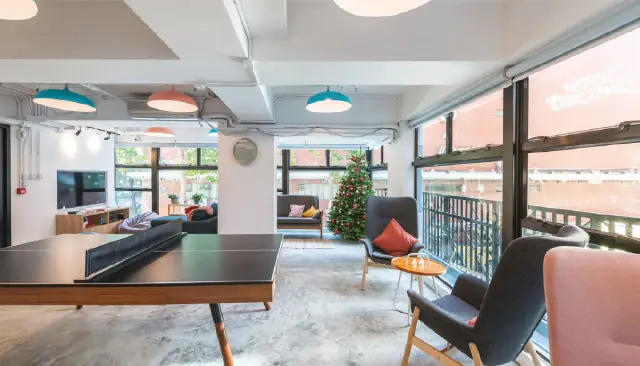
Co-living is a shared housing model that has emerged as a modern, innovative approach to urban living. It blends private living spaces with communal areas, where residents can interact and share amenities like kitchens, lounges, and recreational facilities. Though shared living arrangements have existed for centuries, modern co-living spaces have redefined the concept, targeting young professionals, students, and individuals seeking convenience and affordability in urban settings.
Designed with community-building in mind, co-living spaces often include events and activities that encourage interaction among residents. Whether it’s through shared meals, movie nights, or skill-sharing workshops, co-living fosters a strong sense of connection and collaboration, making it a favored option for those who crave both independence and a sense of belonging.
The Core Characteristics of Co-Living spaces in Ghana
Several key characteristics distinguish co-living spaces from traditional housing arrangements:
- Shared Living Arrangements: Co-living allows multiple individuals to reside in a single unit, typically with private bedrooms and shared common spaces such as kitchens, living rooms, and bathrooms. This arrangement makes housing more affordable while encouraging social interaction among residents.
- Communal Facilities and Shared Amenities: Co-living communities emphasize shared amenities that residents can access, such as gyms, coworking spaces, laundry services, and recreational areas. These amenities add value and convenience, enhancing the overall living experience.
- Flexibility in Rental Terms: One of the major benefits of co-living is the flexibility in lease terms. Rental agreements can range from a few months to longer periods, catering to mobile professionals who may need short-term accommodations.
- Community and Social Interaction: Co-living spaces place a strong emphasis on fostering community through organized events and activities. This creates opportunities for networking, collaboration, and building relationships.
Factors Fueling the Rise of Co-Living in Ghana
Several factors are driving the increased demand for co-living spaces in Accra and other urban areas in Ghana:
- Changing Lifestyles and Priorities: Many young professionals today prioritize convenience, community, and location over the size of their living space. Co-living offers a solution that caters to their fast-paced, mobile lifestyles, allowing them to live in vibrant urban centers without the costs associated with traditional rentals.
- Affordability: Co-living provides a more affordable option for individuals entering the workforce or those looking to minimize living expenses. By sharing common areas and utilities, residents can reduce their overall housing costs while still enjoying modern amenities.
- Rising Housing Costs and Urbanization: As housing prices in Accra continue to rise, co-living presents an attractive alternative to renting an entire apartment. With more people moving into cities, co-living developments help address the increasing demand for affordable urban housing.
- Desire for Social Connection: For many, co-living offers more than just a place to stay—it’s an opportunity to expand social networks and build connections with like-minded individuals. This is especially appealing to expatriates and professionals who are new to the city.
How co-living spaces in Ghana effect on Rental Market?
The co-living trend is reshaping co-living spaces in Ghana, offering a flexible, affordable alternative to traditional housing. By allowing residents to rent individual bedrooms while sharing communal spaces, co-living models maximize occupancy and offer property developers a new revenue stream. This approach benefits both residents and property managers, as it provides an affordable, convenient living solution that meets the needs of today’s urban dwellers.
As co-living continues to grow, it’s changing the dynamics of the rental market. Gone are the days when renting an entire apartment was the only option. Today, co-living represents a new model that aligns with the preferences of younger generations who value community, flexibility, and affordability.
Benefits of co-living spaces in Ghana
Co-living offers numerous benefits, including:
- Affordability: By sharing common areas and splitting costs, co-living provides a more budget-friendly housing option, making it accessible to young professionals and expatriates.
- Social Opportunities: Co-living creates an environment where residents can interact and form meaningful relationships, offering a built-in social network.
- Convenience and Flexibility: Co-living spaces often include amenities like wifi, utilities, and cleaning services, simplifying daily life for residents. Flexible rental terms also make it easier for residents to move in and out as needed.
Challenges and Misconceptions on co-living spaces in Ghana
Despite its advantages, co-living comes with challenges. Privacy is often a concern, as shared living arrangements can make it difficult to find personal space. Additionally, the management and governance of co-living spaces can impact the overall experience, especially in properties with high tenant turnover.
There are also misconceptions about co-living, with some likening it to dormitory living or assuming it lacks privacy. In reality, well-designed co-living spaces offer a balance between private and communal areas, providing security and comfort for residents.
Read about: Where you can find your Modern house in Accra?
Conclusion
The rise of co-living in Ghana is a testament to the evolving needs and preferences of urban residents. As property developers continue to innovate, co-living spaces will likely become an integral part of the real estate market, offering an affordable, community-centered housing solution for young professionals and expatriates alike.
If you would like to know more about real estate in Ghana and are looking to invest, we help you find a space that fits your needs. Contact us today to explore the possibilities!
