
How Climate Change is Affecting Real Estate Development in Ghana?
climate change and real estate in Ghana is an ever-present threat, affecting economies and environments worldwide. As greenhouse gas emissions—like carbon dioxide and methane—continue to rise, so do the global temperatures, resulting in extreme weather patterns, sea level rise, and other unforeseen challenges.
In Ghana, like many parts of the world, these climate changes have profound impacts on multiple sectors, including agriculture, tourism, and real estate. The real estate industry, in particular, faces unique challenges as it grapples with the consequences of a rapidly changing climate.
This comprehensive guide explores how climate change and real estate in Ghana is affecting real estate development in Ghana. We will dive into the concept of net-zero buildings, the challenges and opportunities presented by renewable energy, sustainable building materials, and the broader implications for urban planning and policymaking.
Understanding the Basics: Climate Change and Real Estate in Ghana
Climate change, driven by activities like deforestation, burning fossil fuels, and uncontrolled industrial emissions, has become a significant disruptor to both natural and human systems. In Ghana, the effects of climate change are increasingly evident through unprecedented flooding, severe droughts, and rising temperatures.
To address these challenges, Ghana is taking steps to reduce its carbon footprint, such as planting millions of trees to act as carbon sinks. However, one of the most critical sectors in the fight against climate change is real estate. The real estate sector, accounting for approximately 39% of global emissions and 40% of global energy consumption, presents both challenges and opportunities for climate mitigation.
Achieving net-zero in real estate—where the total amount of greenhouse gases produced is offset by an equivalent amount removed from the atmosphere—is a significant step toward reducing global emissions. For Ghana, this involves designing, constructing, and operating buildings that minimize their carbon footprints and integrate sustainable practices.
The Current State of climate change and real estate in Ghana
-
Effects of Rising Sea Levels on Coastal Properties
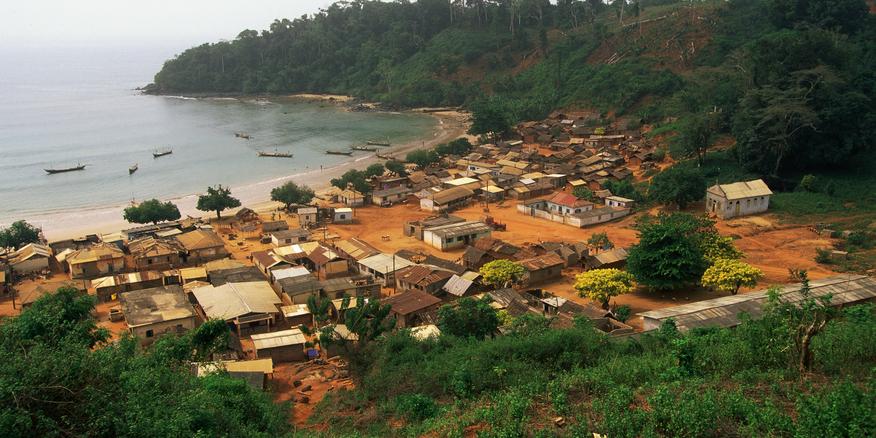
One of the most immediate impacts of climate change and real estate in Ghana is the rising sea levels, particularly affecting coastal regions such as Accra, Cape Coast, and Takoradi. These areas are experiencing more frequent and severe flooding, storm surges, and coastal erosion, which significantly threaten real estate investments. For homeowners and investors, the rising sea levels are reshaping the market dynamics, pushing them to prioritize resilience and adaptability in their property choices.
-
Increased Frequency of Extreme Weather Events
Extreme weather events, including intense rainfall, prolonged droughts, and heatwaves, are becoming more frequent in Ghana. These events cause significant damage to existing infrastructure, leading to higher maintenance and repair costs for property owners and investors.
Real estate developers in Ghana must adopt innovative solutions to mitigate these risks, such as using flood-resistant materials, constructing elevated foundations, and incorporating proper drainage systems into urban planning.
Adapting climate change and real estate in Ghana
-
Embracing Net-Zero in Real Estate Development
Achieving net-zero in real estate is no longer optional; it is essential for sustainable growth. For Ghana, this involves several strategies:
- Incorporating Renewable Energy Sources: Solar energy holds immense potential in Ghana, thanks to abundant sunshine year-round. Real estate developers can leverage this by integrating solar panels and other renewable energy sources into their building designs. The government can also play a pivotal role by providing incentives, such as tax breaks or subsidies, for properties that adopt renewable energy solutions.
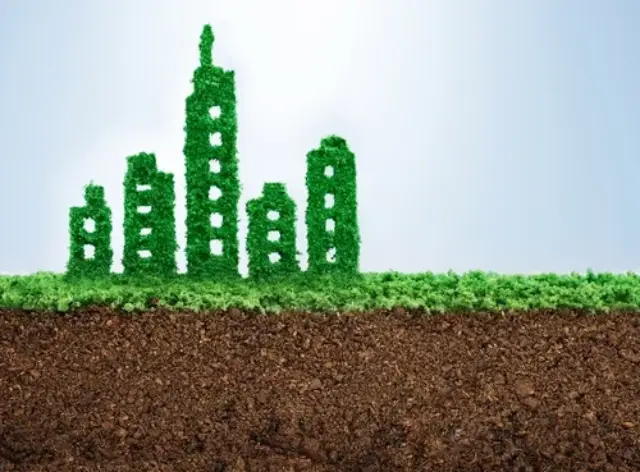
- Designing Energy-Efficient Buildings: Designing buildings to maximize natural light and ventilation can significantly reduce the need for artificial lighting and air conditioning, which are major sources of energy consumption. Sustainable architecture, with features such as green roofs and walls, can further help absorb carbon dioxide and reduce the overall carbon footprint of buildings.
- Utilizing Sustainable Building Materials: The construction industry is one of the largest consumers of natural resources, and traditional building materials like concrete and steel have high carbon footprints. Alternatives, such as bamboo, recycled materials, and locally-sourced sustainable materials, offer viable solutions for reducing emissions while promoting the local economy.
-
Policy Frameworks and Government Initiatives
Government policies play a crucial role in promoting sustainable real estate development. The introduction of green building codes, zoning laws, and energy efficiency standards can guide developers towards more sustainable practices.
For example, Ghana could introduce building codes that require all new constructions to meet specific energy efficiency standards, incorporate renewable energy sources, and use sustainable materials. These codes would ensure that future developments are better equipped to handle the challenges posed by climate change and real estate in Ghana.
-
Promoting Public-Private Partnerships
Collaboration between public and private sectors is crucial to driving change in the real estate industry. Public-private partnerships can facilitate the financing of sustainable projects, such as green buildings or renewable energy installations.
The government can partner with private companies to develop pilot projects demonstrating the benefits of sustainable real estate development. These projects can serve as models for future developments, encouraging more developers to adopt sustainable practices.
Exploring the Impact of Urban Green Spaces on Property Values in Ghana
Challenges and Opportunities for climate change and real estate in Ghana
-
Challenges
- Higher Costs of Sustainable Development: Sustainable building materials and renewable energy sources can be more expensive upfront, discouraging some developers from adopting these practices. However, the long-term savings in energy costs and increased property values can offset the initial investments.
- Lack of Awareness and Expertise: There is still a limited understanding of sustainable real estate development in Ghana. More education and training are needed for developers, architects, and builders to fully understand the benefits and techniques of sustainable construction.
- Regulatory Barriers: The lack of stringent regulations and incentives for sustainable construction in Ghana makes it challenging for developers to prioritize sustainability.
-
Opportunities
- Growing Demand for Sustainable Properties: There is a growing awareness among Ghanaians about the importance of sustainability. More buyers and investors are looking for energy-efficient, sustainable properties, creating a new market for developers.
- Government Support and International Funding: There are numerous opportunities for developers to access government support, grants, and international funding for green projects. International organizations, such as the Green Climate Fund, offer financing for sustainable projects in developing countries, including Ghana.
- Innovative Building Technologies: Advances in building technologies, such as modular construction and 3D printing, offer new ways to reduce costs and emissions while maintaining high standards of sustainability.
Future Outlook: Building climate change and real estate in Ghana
The future of real estate development in Ghana will be shaped by how effectively the sector adapts to climate change and real estate in Ghana. Developers must prioritize resilience, sustainability, and adaptability in their projects to address the evolving risks associated with climate change.
By adopting a net-zero approach and integrating renewable energy, sustainable materials, and climate-resilient designs, Ghana’s real estate sector can not only mitigate the effects of climate change and real estate in Ghana but also drive sustainable economic growth.
As the world continues to confront the reality of climate change and real estate in Ghana has the opportunity to be a leader in sustainable real estate development in Africa. By learning from global best practices and leveraging local resources, the country can create a real estate sector that is both resilient to climate change and beneficial to its economy and people.
