
How to Estimate Property Development Costs in Ghana?
Property development costs Ghana is a critical component of any successful construction project. In Ghana, where real estate is booming in cities like Accra, Tema, and Kasoa, understanding how to accurately estimate these costs can make or break your project.
This guide will walk you through the essential aspects of Property development in Ghana, including factors affecting costs, useful formulas and tools, and strategies for managing expenses.
Read about:The Future of Real Estate in Accra: What to Expect in the Next 5 Years
Key Factors Affecting Property development costs Ghana
Firstly, it is crucial to know the key factors that affect costs in order to manage the process. Here are the top 5 factors to look out for when estimating your Property development costs Ghana.
1. Land Acquisition and Site Preparation
Acquiring land in Ghana can be complex due to issues such as overlapping land titles and disputes with traditional landowners. In urban areas like Accra and Tema, the demand for land can drive up prices, making it crucial to secure a clear title and conduct thorough due diligence. Once land is acquired, site preparation is another major cost component.
This includes clearing, grading, and excavation, which can vary based on the site’s location and condition. For instance, remote or uneven sites may incur higher costs due to the need for specialized equipment and additional labor.
2. Building Design and Architecture
The design of your building significantly impacts the overall cost. Simple, functional designs are generally more cost-effective than complex, custom designs. Factors such as the building’s shape, size, and the choice of materials all influence the final price. In Ghana, working with experienced architects can help balance cost and quality. They can help you create designs that optimize your budget while meeting your functional needs.
3. Material Costs
Material costs in Ghana can fluctuate based on availability and importation fees. Local materials may be more affordable, but they might not always meet the desired quality or durability standards. On the other hand, imported materials, while potentially higher in quality, come with added transportation and customs costs. It’s essential to source materials wisely and consider alternatives that offer both cost savings and quality. Engaging with local suppliers who can provide competitive rates and bulk purchasing discounts is also a good strategy.
4. Labor Costs
Labor is often a significant expense in Property development costs Ghana, the availability and cost of skilled labor can vary. The shortage of specialized workers can lead to higher wages and increased project costs. It’s important to budget for both skilled and unskilled labor and to account for potential overtime or additional costs if project timelines are extended due to delays.
5. Climate and Weather Conditions
Ghana’s tropical climate, characterized by a wet season and a dry season, affects construction activities. Heavy rains during the wet season can cause delays and increase costs due to extended labor hours and additional site management requirements. Conversely, extreme heat during the dry season can slow down work and necessitate extra measures to protect workers and materials.
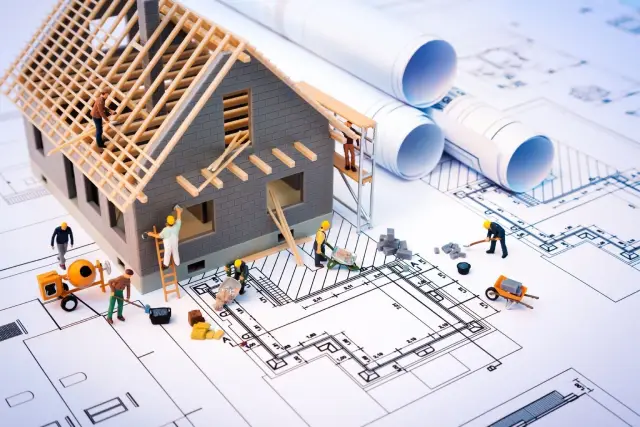
Top 4 Tools and Techniques for Accurate Property development costs Ghana
1. Square Footage Method
The square footage method is a straightforward way to estimate construction costs. This method involves calculating the total area of the construction project and multiplying it by a predetermined price per square foot. It works well for standard projects with uniform dimensions, such as residential homes or small commercial buildings. Ensure that the price per square foot reflects current market rates and includes all relevant costs.
2. Building Information Modeling (BIM)
BIM technology is a powerful tool for cost estimation. It uses 3D models to visualize and simulate various design options before construction begins. BIM allows for accurate analysis of material quantities and costs, and it can track changes in real-time, enabling you to adjust budgets as needed. This method is particularly useful for complex projects where detailed cost analysis is required.
3. Cost Estimation Software (CES)
CES tools can streamline the cost estimation process by generating detailed reports based on project drawings and specifications. These tools reduce the likelihood of human error and provide precise estimates quickly. Many software options are available that can cater to different types of projects, from residential to commercial and industrial.
4. Historical Data
Utilizing historical data from similar projects can provide valuable insights for estimating costs. Reviewing past projects helps in understanding current market conditions and pricing trends. This data can be accessed through online databases, industry reports, and government records.
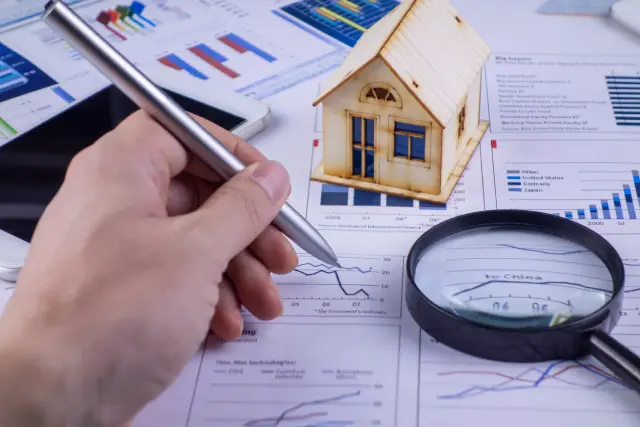
Managing Property development costs Ghana
Managing expenses can be a struggle throughout the project, studies show that most projects end up exceeding their budget. Here are some tips to help manage costs during the project.
1. Develop a Comprehensive Budget
Creating a detailed budget is the first step in managing project expenses. Include all potential costs such as materials, labor, permits, and overheads. Research current prices and factor in a contingency fund to cover unexpected expenses. A well-planned budget helps in avoiding cost overruns and ensures financial stability throughout the project.
2. Track and Monitor Expenses
Regularly tracking and monitoring expenses is crucial for staying within budget. Use spreadsheets or accounting software to keep a close eye on spending. This practice helps in identifying areas where costs may exceed estimates and allows for timely adjustments.
3. Negotiate with Suppliers and Contractors
Negotiation can significantly impact your project budget. Don’t hesitate to negotiate prices with suppliers and contractors for better deals. Consider bulk purchasing discounts and explore local alternatives that offer cost savings without compromising quality.
4. Prioritize Essential Costs
When working with a limited budget, prioritize essential expenses over non-essential ones. Focus on completing critical aspects of the project first, such as structural work, before allocating funds to finishing touches. This approach helps in managing cash flow and ensures that key project components are completed on time.
5. Implement Cost-Saving Techniques
Employ cost-saving techniques such as value engineering, which involves finding alternatives that provide similar functionality at a lower cost. Additionally, using energy-efficient materials and methods can reduce long-term expenses. Explore these options to optimize your budget and achieve cost efficiency.
Know about: Prime Investment: Properties for Sale in Ghana
Conclusion
Property development costs Ghana is fundamental to the success of Property development costs Ghana. By understanding key factors affecting costs, utilizing effective estimation tools, and implementing practical strategies for expense management, you can navigate the complexities of Property development costs Ghana with confidence. Whether you’re developing land in Accra, Tema, or Kasoa, thorough planning and informed decision-making will help ensure that your project is completed on time and within budget.
For more expert information, consider consulting with professionals like Enmaa. Our expertise in the Ghanaian real estate market can provide valuable insights and help manage your Property development costs Ghana effectively.
