
How to Make Your Property Energy-Efficient in Ghana?
In the 1980s and 1990s, Ghana experienced major power shortages, mostly due to frequent droughts. To tackle these energy supply challenges, energy efficiency programs were implemented. These initiatives targeted the residential sector, which accounted for 47% of the country’s total energy consumption, underscoring its crucial contribution to achieving Ghana’s long-term energy efficiency objectives.
Educational institutions cannot function properly without electricity. Offices and residential areas also heavily rely on electricity for comfort. Therefore, Energy-efficient property Ghana is crucial for reducing energy costs, environmental protection, addressing power shortages, and most importantly for sustainable development.
Energy-efficient property Ghana offer many benefits such as reduced electricity bills, a smaller carbon footprint, thermal comfort, improved air quality, durability, and most importantly, increased property value. Energy-efficient property Ghana can significantly enhance their value and appeal to potential buyers.
Why does Energy-efficient property Ghana?
Ghana’s climate is known to be challenging as it includes droughts and rainfall variability, rising temperatures, coastal erosion, and sea level rise. As a result, energy challenges like dependence on hydropower, power shortages, growing energy demand, and high energy costs are appearing.
Therefore, energy-efficient property Ghana can offer huge sustainability in the context of its climate for many key reasons as reduced energy consumption, lower environmental impact, economic savings and affordability, increased resilience to power shortages, and support for renewable energy integration.
Insulation and building materials
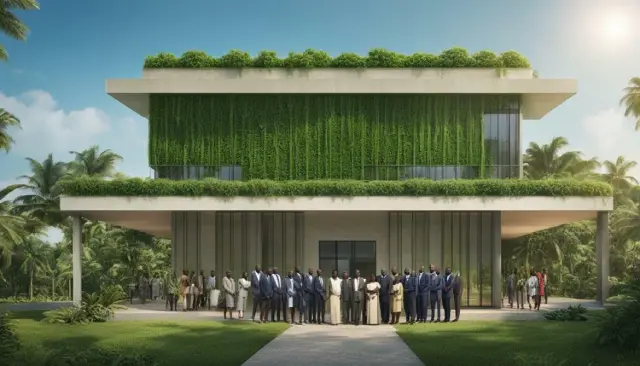
In the context of energy-efficient buildings, materials, and insulation play a crucial role. Proper insulation not only improves overall comfort and indoor air quality but also helps prevent drafts, cold spots, and excessive heat. Using energy-efficient building materials such as Strawbale, bamboo, cork, recycled steel, reclaimed wood, low-emission glass, double-glazed windows, and insulated roofs can significantly raise Energy-efficient property Ghana and make it more sustainable for living in Ghana.
Furthermore, local materials can be even more sustainable for your building as it is adequate for Ghana’s climate and nature.
Explore: The Role of Interior Designers in Shaping Modern Homes in Ghana
Appliances and lighting of Energy-efficient
Energy-efficient appliances use less energy, helping you save money. They are designed to conserve both energy and water, often made from durable, eco-friendly materials for a longer lifespan. Additionally, these appliances produce fewer harmful emissions, improving indoor air quality and creating a healthier living environment.
Hence, transitioning to energy-efficient appliances leads to less air pollution, improved health, better well-being at home, and cost savings.
Another method to conserve energy is by utilizing LED lighting. LED lighting reduces energy consumption, decreases maintenance costs, and has a longer lifespan compared to traditional lighting. Moreover, the implementation of smart lighting systems can minimize unnecessary light emissions, ensuring that lights are utilized only when necessary, thus improving energy efficiency. LED lights limit greenhouse gas emissions and light pollution in surrounding areas, which often include fragile ecosystems.
Solar power and renewable energy
The solar energy market in Ghana is expected to grow at a compound annual growth rate (CAGR) of over 20% in the forecast period. Although the market was adversely affected by the COVID-19 pandemic in 2020, it has now recovered to pre-pandemic levels.
Soon, the market is anticipated to expand because of the growing demand for solar photovoltaic installations, increasing investments in current and forthcoming solar energy projects, and government initiatives to decrease dependence on power generation based on fossil fuels. However, market growth may be hindered by challenges such as the high cost of solar rooftop systems and the necessity for electricity storage through batteries.
Despite facing these challenges, the Renewable Energy Masterplan (REMP) predicts that by 2030, Ghana will greatly increase its renewable energy capacity. It is projected to rise from 42.5 MW in 2015 to 1363.63 MW, with grid-connected systems accounting for 1094.63 MW. This indicates significant opportunities for expansion in the solar energy market.
Solar panels have many benefits like being renewable and inexhaustible, well suited to batteries and the electricity grid, create local wealth and jobs, technological versatility, minimal maintenance requirements, and being green until the end of life.
Coming to the costs, Polycrystalline solar panels in Ghana usually cost between $100-250 USD per panel, which might sound expensive compared to global averages. However, the long-term benefits of reduced energy costs and potential incentives can offset the initial investment.
Water and energy efficiency
Roughly 96% of the Earth’s water is saltwater, which is not suitable for supporting human and most animal life. Therefore, it’s crucial to preserve our freshwater resources because their scarcity would have a widespread impact on our lives. By implementing measures to reduce and efficiently manage water usage, we can also improve environmental protection.
Water conservation can help the environment by ensuring all living things have access to water, protecting the climate, ensuring areas with limited supply have access to water, saving energy and money, and preserving aquatic life.
Therefore, energy-efficient heaters, low-flow faucets, and rainwater harvesting systems can be useful in energy-efficient property Ghana.
Smart home technology in Ghana
Smart thermostats, energy monitors, and automated systems offer significant benefits for optimizing energy use through various advanced features:
-
Smart Thermostats
- Adaptive Learning: Smart thermostats learn your heating and cooling preferences over time, adjusting settings automatically to match your schedule and habits. This helps in reducing energy consumption by avoiding unnecessary heating or cooling when no one is home.
- Remote Control: With smartphone apps, you can control your thermostat from anywhere, allowing you to adjust settings even when you’re away. This prevents energy waste by ensuring the system is only active when needed.
- Energy Reports: Many smart thermostats provide detailed energy usage reports and insights, helping you identify patterns and make informed decisions to reduce consumption.
-
Energy Monitors
- Real-Time Data: Energy monitors track real-time energy usage for different appliances and systems in your home. By providing insights into which devices consume the most energy, you can make adjustments to reduce overall consumption.
- Usage Analytics: These devices analyze energy patterns and offer recommendations for reducing waste, such as suggesting more efficient usage times or identifying faulty appliances that use more power than necessary.
- Alerts and Notifications: Energy monitors can send alerts if energy usage spikes unexpectedly, allowing you to take immediate action to address potential issues or inefficiencies.
-
Automated Systems
- Integrated Control: Automated systems can synchronize various home functions, such as lighting, heating, and cooling, based on occupancy, time of day, or external conditions. This ensures that energy is used efficiently and only when needed.
- Smart Scheduling: These systems allow for precise scheduling of energy-intensive tasks. For example, appliances can be programmed to run during off-peak hours when energy costs are lower, or when renewable energy sources are more available.
- Energy Efficiency property Ghana: Automated systems use algorithms to optimize energy use across different components of the home, balancing energy consumption in real-time to maximize efficiency and minimize waste.
Explore: How to Incorporate Smart Security Systems in Ghanaian Homes
Conclusion
Investing in an energy-efficient property Ghana is a smart financial choice and a step towards sustainability. Upgrading insulation, using energy-efficient appliances, and incorporating solar power can reduce utility costs and improve your home’s value, while helping to alleviate local energy challenges.
Embracing these measures not only saves money but also supports environmental conservation and contributes to a more sustainable future. Start making your Energy-efficient property Ghana today to enjoy long-term benefits and support Ghana’s energy goals.
