
The Future of smart homes in Ghana
A smart home is a convenient home setup where devices can be connected to the internet and controlled automatically or remotely using a phone or another electronic device.
The devices are interconnected through the internet, allowing the user to control security, temperature, access to home, a home theater, lightning, and other functions too. It has grown in popularity among individuals and families for allowing them to live more easily and comfortably, and for saving more time for life.
This blog aims to explore the future of smart homes in Ghana, highlighting the benefits, challenges, and future opportunities.
What is a smart home?
A smart home is a dwelling that enables internet-linked devices to allow the remote supervision and control of appliances and systems, such as temperature and security.
Smart home technology offers residents safety, comfort, convenience, and energy efficiency by enabling them to manage smart devices, typically through a smart home app on their smartphone or another connected device.
As part of the Internet of Things (IoT), smart home systems and devices frequently work together, exchanging user data among themselves and automating tasks based on the homeowner’s preferences.
All devices—such as lights, thermostats, security systems, and appliances—are managed by a central home automation controller, often referred to as a smart home hub. This hub is a hardware device that functions as the core of the Future of smart homes in Ghana and can detect, process data, and communicate wirelessly. It integrates all the separate apps into a single smart home app that homeowners can operate remotely. Examples of smart home hubs include Amazon Echo, Google Home, and Wink Hub. While many smart home products utilize Wi-Fi and Bluetooth to connect to the smart home network, others rely on wireless protocols such as Zigbee or Z-Wave.
Smart TVs, smart thermostats, and smart security cameras are examples of smart home technologies.
Explore: Your Guide for Living in Ghana
The global smart home market is expected to witness significant growth, with revenues projected to reach $154.4 billion by 2024. This expansion is expected to continue at a robust CAGR of 10.67% from 2024 to 2028, resulting in a projected market size of $231.6 billion by 2028. Smart home penetration is expected to increase from 18.9% in 2024 to 33.2% by 2028, indicating the widespread adoption of smart home technologies.
Currently, the average revenue per installed smart home is estimated at $365.60. A global comparison highlights that the United States will generate the highest revenue, with an expected $38.8 billion in 2024.
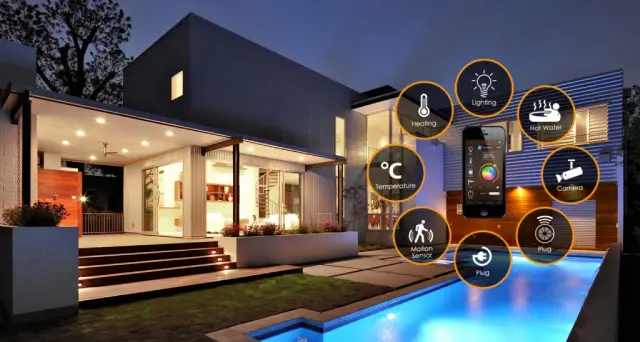
The current state and the future of smart homes in Ghana
Ghana, a nation renowned for its rich cultural legacy and swiftly advancing economy, is also embracing this technological transformation. The emergence of The Future of smart homes in Ghana signifies the dawn of a new era in the real estate industry, promising to improve the way Ghanaians live, work, and engage with their environments.
Over the past decade, Ghana has experienced notable technological progress. The spread of smartphones, enhanced internet access, and the availability of smart devices at more reasonable prices have made smart home technology more attainable for the average Ghanaian. This increased technological accessibility is a major factor driving the growing appeal of smart homes in the country.
There is a rising demand for upscale and contemporary living spaces among Ghana’s wealthy individuals and expatriates. Smart homes, with their cutting-edge technology and modern amenities, address this need. Real estate developers are progressively integrating smart home features into their premium projects to attract this segment of buyers.
Know more about: The Future of Real Estate in Accra: What to Expect in the Next 5 Years
Challenges facing the future of smart homes in Ghana
- High initial costs
The cost of integrating a comprehensive smart home system can negatively affect the future of smart homes in Ghana as it can be very expensive for many buyers. As most of the Ghanaian population is middle class with an average income.
- Infrastructure
Ghana’s infrastructure should be improved to be able to adopt more smart homes to make it more possible to optimize the future of smart homes in Ghana.
- Awareness and education
There is a need for increased awareness and education about the benefits and functionalities of smart homes. Many buyers may not completely understand how smart home technology can improve their lives and save costs in the long run. Which can greatly affect the future of smart homes in Ghana.
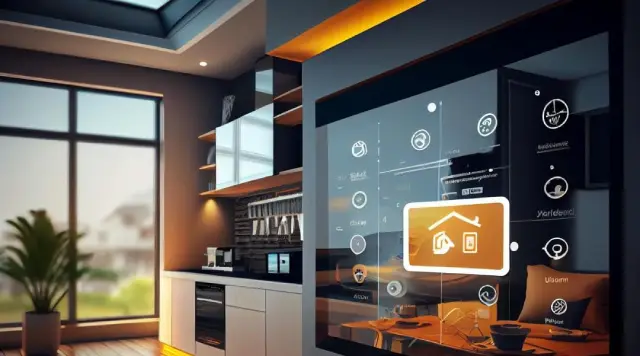
Benefits of The Future of smart homes in Ghana
- Convenience
Smart homes offer unmatched convenience and comfort. From controlling the lighting and temperature to household chores with smart appliances, homeowners can streamline their daily routines and enjoy a more comfortable living environment. Voice-controlled assistants like Amazon Alexa and Google Home further enhance the user experience by allowing the hands-free operation of various smart devices.
- Demand for luxury and modern living
There is an increasing need for upscale and contemporary living environments among Ghana’s wealthy residents and expatriates. Smart homes, equipped with cutting-edge technology and contemporary amenities, meet this need. Property developers are progressively integrating smart home features into their premium projects to appeal to this group of buyers.
- Enhanced security
Safety is a top priority for numerous homeowners. Smart home security systems, which feature elements like surveillance cameras, motion sensors, and smart locks, offer improved security and reassurance. Homeowners can observe their properties in real-time from any location globally, receive notifications about any unusual activities, and even manage access to their homes remotely.
Conclusion
The future of smart homes in Ghana looks promising and poised for significant development. Smart home technology is transforming the way Ghanaians interact with their living environments, offering unprecedented levels of convenience, security, and energy efficiency.
The growth in this sector reflects broader global trends, with projections indicating substantial expansion and increased adoption in the coming years. For Ghana, the future of smart homes is not only about integrating advanced technology but also about overcoming challenges such as high costs, infrastructural limitations, and the need for greater awareness and education.
The future of smart homes in Ghana signifies a new chapter in the real estate market, driven by the demand for modern, upscale living spaces and the benefits of smart home systems. As technology becomes more accessible and affordable, and as infrastructure continues to improve, the adoption of smart homes is expected to grow. Real estate developers are increasingly recognizing the value of incorporating smart home features into their high-end projects, catering to the needs of a growing affluent population.
Ultimately, the future of smart homes in Ghana holds exciting potential. As more homeowners embrace smart technology, the landscape of residential living in the country will evolve, offering enhanced comfort, security, and efficiency. By addressing current challenges and fostering continued innovation, Ghana is well-positioned to lead the way in smart home advancements in Africa.
