
The Benefits of Investing in Mixed-Use Properties in Ghana
Ghana’s real estate market is thriving, presenting a wide range of options for buyers and investors alike. From upscale high-rise apartments to budget-friendly housing, there’s a choice to suit every preference. With a stable economy and political climate, Ghana is becoming an appealing destination for both local and international investors.
And speaking of The Benefits of Investing in Mixed-Use Properties in Ghana, it is a development that integrates at least two distinct functions, such as residential, commercial, or industrial, within one property. Regardless of scale, properties are classified as mixed-use if they host multiple purposes—whether it’s a single building, a complex with multiple buildings, or even a whole neighborhood.
Mixed-Use Properties in Ghana that blend housing, retail, and recreational areas are gaining popularity, providing convenience and an enhanced quality of life that appeals to both residents and businesses in Ghana’s real estate market.
Why mixed-use properties in Ghana are popular?
Urbanization in Ghana is on the rise as more people move to cities like Accra and Kumasi for jobs and a better life. This growth has created a demand for convenient, multi-functional spaces that combine residential, commercial and recreational areas. Mixed use developments are becoming more popular, where residents can live, work and relax in one place, especially in congested urban areas.
These are also good investments, aligning with global urban trends and promoting economic growth. As Ghana’s cities expand, the demand for such spaces will only continue to rise, shaping a more sustainable urban life.
Work live play environments are all about convenience and lifestyle balance, where people can work, live and relax in one place. Mixed use properties meet this need by combining residential, commercial and recreational spaces, with offices, shops and social spaces all in one. This reduces commuting and creates a community feel, for those who want convenience and connectivity. These are also good for businesses, with more foot traffic and property values and supporting urban growth as cities grow.
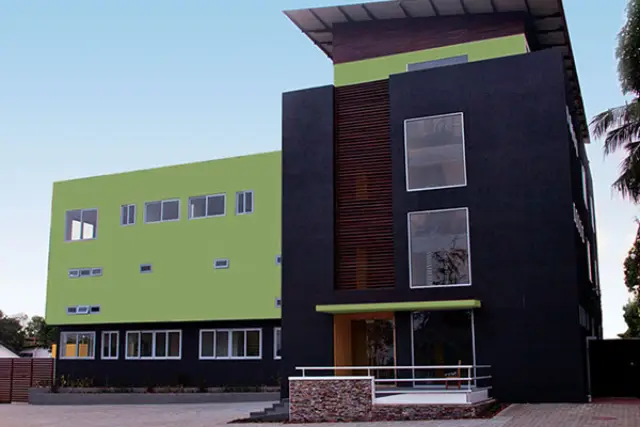
Key benefits of investing in mixed-use properties in Ghana
-
Multiple revenue streams:
Mixed-use properties offer multiple revenue streams by combining different uses in one project, such as income from commercial spaces and residential units. Commercial spaces could be offices, fitness centers or retail stores and residential could be apartments, condos or townhomes. As an investor you’re less exposed to the risk of having only one type of tenant.
-
Community building:
Being close to others encourages social interaction. mixed-use properties in Ghana provide opportunities for residents, employees and visitors to meet in shared spaces such as community event areas or common amenities. This allows diverse people to be active throughout the day and feel a sense of community.
-
Sustainable design:
Walkable developments increase convenience by providing access to amenities, services and job opportunities and reduces the need for cars. This reduces traffic and improves air quality and if the development is designed with energy efficiency in mind, then the sustainability benefits are multiplied.
-
Smart land use:
By combining different functions in one development mixed-use properties in Ghana support higher density and more efficient land use especially in urban areas where space is scarce. Shared common areas and parking facilities also maximizes land value that’s why multi-storey buildings are common in city centers
Explore: Comparing Urban vs. Rural Property Investments in Ghana
Financial advantages of mixed-use properties in Ghana
-
High returns on investment
mixed-use properties in Ghana typically provide high returns on investment because they can generate income from various sources, including residential, retail, and office spaces. This diversity not only stabilizes cash flow but also allows for more competitive rent rates, as tenants appreciate the convenience of having multiple amenities nearby. Investors gain from a steady and varied income stream, which leads to a higher overall return.
-
Property value appreciation
The increasing demand for mixed-use spaces, fueled by urbanization and a shift towards convenience and connectivity, makes these properties particularly attractive. As more individuals and businesses look for the advantages of work-live-play environments, mixed-use properties often see quicker value appreciation compared to traditional single-use buildings. This heightened demand enhances both rental and resale values, positioning mixed-use developments as valuable assets for long-term growth.
-
Financing and tax incentives
Governments and local authorities frequently back mixed-use properties in Ghana with financing support and tax incentives, acknowledging their role in promoting urban density, reducing traffic, and fostering environmental sustainability. These incentives may include grants, tax reductions, and low-interest loans that help decrease development costs. Such financial advantages make mixed-use investments more attainable and improve their profitability, providing investors with a cost-effective way to enter the market while reaping long-term financial rewards.
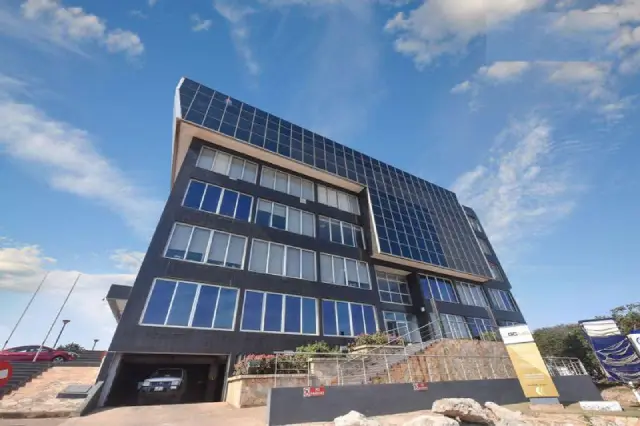
Challenges to Consider for mixed-use properties in Ghana
-
Zoning and regulatory challenges
Navigating zoning regulations poses a significant challenge in mixed-use development, as many cities enforce strict zoning codes that may not readily accommodate mixed-use properties in Ghana.
Consideration: engage early with local authorities to seek variances and emphasize the community benefits of mixed-use development.
-
Balancing different uses
Achieving the right balance of residential, commercial, and retail spaces can be difficult. Focusing too heavily on one type can result in underutilized areas or a mismatch with community needs.
Consideration: conduct market research to assess demand and exploring flexible zoning options to adapt as needs change.
-
Infrastructure and transportation demands
The increased density associated with mixed-use developments can strain infrastructure and transportation systems, often resulting in traffic congestion and heightened utility demands.
Consideration: invest in transit access and pedestrian-friendly amenities, collaborating with authorities to plan for future requirements.
-
Design and aesthetics
Creating a cohesive and visually appealing design that accommodates multiple uses and architectural styles is a challenge. Engaging skilled architects and planners can help ensure a harmonious design that integrates each component seamlessly.
Consideration: partner with specialized architects to develop a cohesive design that integrates all components.
-
Parking and accessibility
In urban settings, providing adequate parking for residents, shoppers, and employees can be complicated. Exploring options like shared parking, valet services, or promoting alternative transportation can help alleviate demand.
Consideration: implement shared parking, valet services, or promoting alternative transportation to alleviate demand.
-
Community engagement
Local communities may oppose mixed-use developments due to worries about increased density or alterations to neighborhood character. Openly engaging with residents through public meetings and clear communication can help address concerns and highlight benefits such as improved amenities and job opportunities.
Consideration: organize public meetings and ensuring transparent communication to address concerns and highlight benefits.
-
Financing and ROI
Securing financing for mixed-use properties in Ghana can be difficult due to the variety of revenue sources and extended timelines, which complicates investment.
Consideration: collaborate with financial advisors to devise phased plans that help mitigate risk.
-
Property management
Mixed-use developments necessitate specialized management skills to effectively address the diverse needs of residential, commercial, and retail spaces.
Consideration: hire experienced property managers to oversee the diverse aspects of the development.
Explore: Top Places to Buy Property in Ghana for Nature Lovers
Conclusion:
Investing in mixed-use properties in Ghana presents a distinctive array of advantages that align with the demands of modern urban living. These developments not only offer financial benefits through varied income sources and significant property value growth but also enhance community spirit by integrating residential, commercial, and recreational areas.
As urban centers in Ghana continue to grow and evolve, the allure of work-live-play environments is set to increase, making mixed-use properties in Ghana a smart choice for sustainable, long-term investment. By adopting this innovative strategy, investors can effectively engage with and gain from Ghana’s changing real estate market.
