
Top Factors to Consider When Buying Land in Ghana
Are you looking for a profitable investment opportunity that not only offers significant potential gains but also supports a growing economy? Consider Ghana, Africa. It is an underrated gem when it comes to real estate investment opportunities. With a stable political environment, a rich cultural heritage, and thriving industries, Ghana is an attractive choice for smart investors seeking sustained growth. In this blog post, we will delve into why investing in Buying Land in Ghana may be your best decision yet! Get ready to grab your passport and embark on an exciting journey towards financial prosperity in one of Africa’s most dynamic nations.
Understanding the factors involved in land acquisition is crucial for a smooth and secure purchase process. It encompasses legal, financial, and logistical aspects such as verifying land ownership, navigating regulatory requirements, and understanding zoning laws. Having a good grasp of these factors minimizes the risk of disputes, fraud, or unexpected costs and enables strategic decision-making aligned with investment goals. It also ensures compliance with local regulations and prevents future complications, ultimately protecting the investment and maximizing its value.
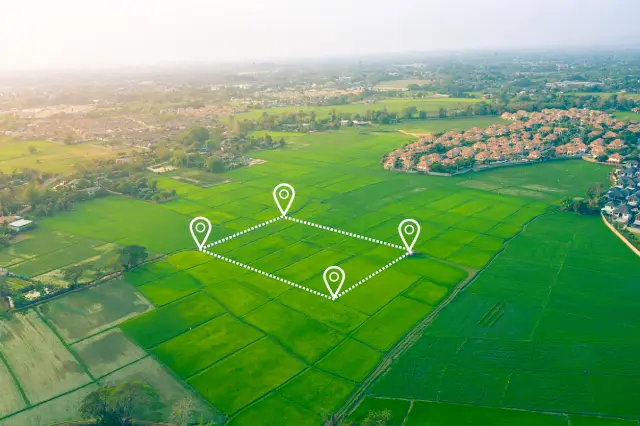
Buying Land in Ghana as foreigner
location and accessibility
One of the most critical factors impacting property value in the real estate market is its location. Understanding the influence of location is crucial for making well-informed decisions and maximizing investment returns, whether you’re buying or selling.
The location of a property is crucial in determining property values, interest rates, rental returns, and prospects for capital appreciation. A well-chosen location can transform an otherwise average property into a highly profitable investment, while even the most opulent property can struggle in an unfavorable area.
Geography and climate are important factors in a country’s development too. It’s not a coincidence that the poorest countries are located in the tropics, where the hot climate, less fertile land, scarce water, and prevalent diseases hinder development.
The value of a property can be significantly impacted by its proximity to major highways, public transportation, pedestrian-friendly areas, employment centers, and other amenities. Easy accessibility enhances convenience for residents, driving up demand and boosting property values.
In addition, the proximity and accessibility of essential infrastructure and utilities. Unrestricted access to transportation infrastructure, potable water, sanitation systems, and electrical power is crucial for the successful implementation of any development project.
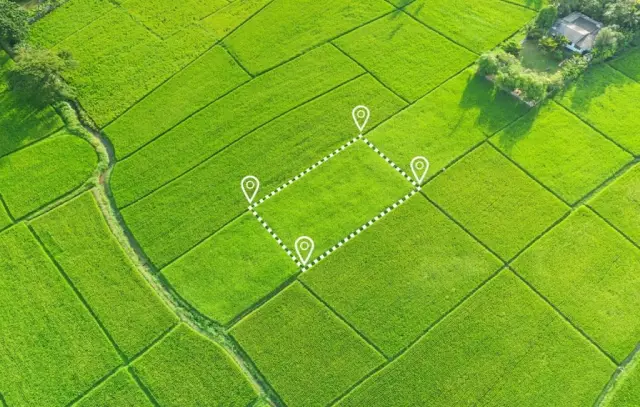
Land documentation and legitimacy
Confirming the accuracy of the legal description is a crucial part of the title search process. It helps prevent future legal disputes about property boundaries and ensures that the buyer gets a clear title to the property. This step is important for maintaining the integrity of the real estate market and protecting the rights of property owners.
Land title certificates are official documents that confirm ownership of a specific piece of land and provide evidence of legal rights over the property. These certificates contain important information such as the owner’s name, property boundaries, and any encumbrances on the land.
The Lands Commission plays a vital role in land administration. It is responsible for managing public lands, ensuring proper land registration, and maintaining accurate records of land transactions. The cion also helps verify the authenticity of land title certificates thereby resolving disputes, contributing to a transparent and efficient land management system.
Furthermore, Due diligence disputes might occur in some situations; to avoid them you should know your rights and obligations, communicate clearly and frequently, hire reputable and qualified professionals, and conduct thorough and timely due diligence.
Explore: How much do i need to invest in real estate in Ghana?
Zoning and land use restrictions
In Ghana, zoning regulations are overseen by the Town and Country Planning Department (TCPD), which operates under the Ministry of Environment, Science, and Technology. The TCPD is authorized by the Town and Country Planning Ordinance of 1945 and the Local Government Act of 1993 to implement zoning and land use planning nationwide.
Zoning regulations have a significant impact on how land can be used, whether for residential, commercial, industrial, or agricultural purposes. These regulations impose restrictions on building height, density, and design, which in turn can limit the potential for development and profitability. Environmental protections may further restrict modifications in sensitive areas. Changes in zoning can also have an impact on market value; rezoning for more lucrative uses can increase property values, while more restrictive zoning may lead to declines. Prospective landowners need to understand these regulations, as they determine the feasibility and legality of future developments.
Soil quality and topography
Soil quality and physical characteristics are essential for agricultural and construction purposes for several reasons:
Agricultural viability:
- Nutrient content: High-quality soil provides essential nutrients for healthy crop growth.
- Drainage and retention: Soil’s ability to retain moisture and drain excess water affects irrigation needs and crop health.
Construction considerations:
- Load-bearing capacity: The soil must support structures; poor-quality soil may need additional engineering solutions.
- Settlement and stability: Soil composition impacts how buildings settle, with unstable soils leading to structural issues.
Environmental impact:
- Water management: Soil quality affects water infiltration and runoff, influencing ecosystems and local water management.
- Sustainability: Healthy soils promote long-term agricultural productivity and environmental health.
Economic factors:
- Cost of amendments: Poor soil may require costly improvements, impacting project budgets.
Utility availability
When buying land, it’s important to consider access to utilities such as electricity, water, and waste management for several reasons:
- Living conditions:
- Access to essential utilities directly affects the quality of life. Reliable electricity and clean water are fundamental for comfortable living and daily activities.
- Property value:
- Properties with easy access to utilities tend to have higher market values. Lack of utility services can hinder resale opportunities and reduce property attractiveness.
- Development potential:
- Access to utilities is often a requirement for building permits and development approvals. Without these services, it may be challenging to develop the land for residential or commercial purposes.
- Cost considerations:
- The absence of utilities can lead to significant additional expenses for installation and maintenance. Buyers should factor in the costs of connecting to water, electricity, and waste management services.
- Regulatory compliance:
- Many local regulations mandate access to specific utilities for residential and commercial properties. Ensuring that the land has the necessary services can help avoid legal complications.
- Long-term sustainability:
- Reliable access to utilities is essential for sustainable living. Areas with inadequate services may face challenges related to health, sanitation, and environmental concerns.
The availability of utilities such as electricity, water, and waste management is crucial for development as it affects costs and convenience. Properties with existing utilities incur lower connection fees and infrastructure expenses, leading to faster permitting and streamlined planning. Immediate access to these services prevents construction delays and enhances operational efficiency. Additionally, properties with easy utility access are more attractive to buyers and tenants, increasing demand and property values. Ultimately, reliable utilities contribute to lower long-term maintenance costs, making them a vital consideration for developers and investors.
Read more about:Prime Investment: Properties for Sale in Ghana
Conclusion
Purchasing land in Ghana offers a unique opportunity for investors looking to take advantage of the country’s thriving real estate market. However, navigating the complexities of land acquisition requires a comprehensive understanding of several key factors. Factors such as the significance of location and accessibility, the importance of verifying land documentation and zoning regulations, and the impact of soil quality and utility availability play critical roles in ensuring a successful investment.
Additionally, considerations such as soil quality, utility availability, and engaging qualified professionals cannot be overlooked, as they directly impact the feasibility and profitability of your venture. By taking the time to research and analyze these factors, you position yourself to make informed decisions that align with your investment goals.
Ultimately, investing in land in Ghana is not just about acquiring property; it’s about securing a future in a growing economy with immense potential. As you embark on this journey, remember that diligence and strategic planning are your best allies in making the most of this promising opportunity. Happy investing!
