
The Best Guide to Understanding Property Taxes in Ghana
Property taxes are a key factor influencing real estate investment in Ghana. Whether you are a local or foreign investor, understanding property taxes in Ghana is a crucial step to success in this promising market. In this article with Enmaa, we will provide you with a comprehensive guide covering everything you need to know about property taxes in Ghana, including how to calculate them, payment deadlines, and penalties associated with non-compliance.
Introduction to Property Taxes in Ghana
The property tax system in Ghana is designed to collect revenue from property owners, whether residential or commercial. Understanding Property Taxes in Ghana requires knowledge of the legal and regulatory framework that governs these taxes, as they are levied on the property’s value, which is determined through periodic assessments by local authorities. Tax rates vary depending on location and property type, making it essential for investors to understand these aspects to avoid unpleasant surprises.
Who is liable to pay property taxes in Ghana?
Everyone who owns a property in Ghana is liable to pay property tax, regardless of the type or use of the property. Understanding Property Taxes in Ghana involves knowing who is responsible for paying these taxes. If you own a residential, commercial, or industrial property, you are liable to pay this tax. Owners are required to provide accurate information about their properties to ensure an accurate assessment of the tax.
Read about The Future of Real Estate in Accra: What to Expect in the Next 5 Years
Types of Property Taxable in Ghana
All types of property in Ghana are subject to tax, whether residential, commercial, or industrial. This includes houses, apartments, offices, and shops. Understanding Property Taxes in Ghana means knowing that each type of property may be subject to different tax rates, depending on the location and use of the property. Some properties may qualify for tax exemptions based on their social or religious uses.
How is property valued for tax purposes?
The process of assessing the value of properties for tax purposes in Ghana is carried out by the relevant local authorities, and is a necessary process to ensure Understanding Property Taxes in Ghana. Valuations are based on several factors such as location, size, condition, and additional features of the property. Valuation reports are issued periodically, and owners should ensure that the information provided is accurate to avoid any future disputes.
How to Calculate Property Tax in Ghana?
The calculation of property tax in Ghana is based on a certain percentage of the estimated value of the property. Understanding Property Taxes in Ghana requires knowing this percentage, which varies by region and local authority. This percentage usually ranges from 0.5% to 3% of the property value. Therefore, the value and location of the property can greatly affect the amount of tax due.
Payment Deadlines of Property Tax in Ghana
Understanding Property Taxes in Ghana is essential to know the tax payment deadlines. Payment deadlines are usually set at the beginning of the financial year, and owners must adhere to them to avoid penalties. Dates vary by region, so owners should check the local payment deadlines set by the authorities.

Penalties for Late or Failed Property Tax Payment
Delayed or non-payment of property tax in Ghana can result in financial penalties and fines. Understanding Property Taxes in Ghana requires knowing that these penalties may also include interest on unpaid amounts, and in some cases, legal action may be taken against the owner.
How to File an Objection to a Property Tax Assessment
If a property owner feels that the tax assessment is unfair, they can file an objection with the local authorities. Understanding Property Taxes in Ghana includes the steps to file an objection, which includes submitting documents supporting a different value for the property. The objection must be filed within a specified period after receiving the tax notice.
Tax Exemptions and Reductions Available in Ghana
There are some instances where property tax exemptions or reductions can be obtained in Ghana. Understanding Property Taxes in Ghana includes knowing these exemptions that may be available for properties used for social, religious, or educational purposes. Owners can apply for these exemptions subject to the specified conditions.
Read about: Your Guide for Living in Ghana
Impact of Property Taxes on the Real Estate Market in Ghana
Property taxes have a significant impact on the real estate market in Ghana. Understanding Property Taxes in Ghana helps investors anticipate the costs associated with real estate investment, which impacts their buying and selling decisions. High taxes may reduce demand for real estate in certain areas, while tax cuts may boost growth in others.
How does the location of a property affect the tax value?
The location of a property plays a crucial role in determining the tax value levied on it. Understanding Property Taxes in Ghana requires knowing that properties located in urban areas may face higher tax rates compared to rural areas. Also, areas close to shopping malls, such as Accra Mall, may increase the value of the property and therefore the tax due.
Recent Changes in Property Tax Laws in Ghana
The property tax laws in Ghana have undergone several changes in recent years. Understanding Property Taxes in Ghana requires keeping track of these changes to ensure compliance and avoid any unexpected penalties. These changes include adjustments in tax rates and exemptions available, and owners and investors should stay informed of any new changes.
How do property taxes affect foreign investors?
Foreign investors in Ghana need to “Understand Property Taxes in Ghana” to avoid any legal or financial problems. Local laws require foreign investors to adhere to the same rules as local owners, making it essential to understand the tax mechanisms and how to comply. There may be some exemptions or concessions available to foreign investors based on international agreements.
Tips to Avoid Common Property Tax Problems
To avoid common problems associated with property taxes in Ghana, it is advisable to regularly review property valuations and ensure that the tax is paid on time. Understanding Property Taxes in Ghana also requires working with a qualified tax advisor to ensure full compliance and avoid any future disputes with the authorities.
The Future of Property Taxes in Ghana: What to Expect?
The property tax system in Ghana is expected to undergo continuous changes in line with the country’s economic growth. Understanding Property Taxes in Ghana helps investors adapt to these changes and prepare for future market demands. As the real estate sector continues to evolve, taxes may increase or change in the way they are collected.
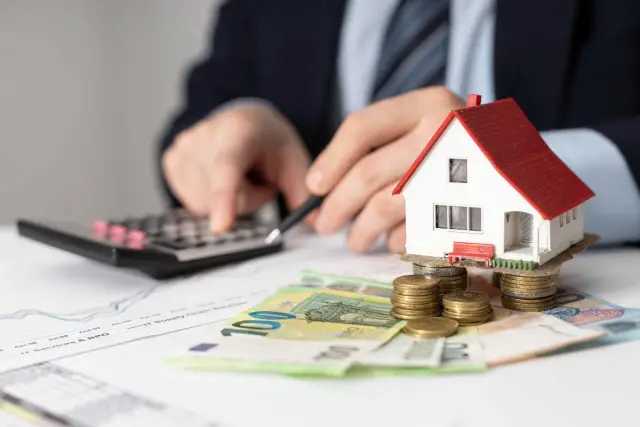
The role of Enmaa Company in facilitating real estate investment in Ghana
Enmaa plays a pivotal role in facilitating real estate investment in Ghana by offering comprehensive services including legal guidance and financial planning. Understanding Property Taxes in Ghana is an integral part of Enmaa’s strategy to help its clients get the most out of their investments.
Enmaa provides its clients with full support in the process of valuing properties and understanding the associated tax requirements. The company also helps foreign investors comply with local laws and avoid any tax issues that may arise.
By partnering with reputable financial and local institutions, Enmaa ensures that the real estate investment process in Ghana is smooth and hassle-free, allowing investors to focus on growing their assets and achieving their financial goals.
Understanding property tax in Ghana” is an essential step for any investor looking to enter the Ghanaian real estate market. By learning how to value properties, calculate taxes, and adhere to payment deadlines, investors can avoid many legal and financial problems. Knowing potential changes in tax laws also contributes to long-term strategic planning. If you are considering real estate investment in Ghana, you must partner with specialized companies like Enmaa to ensure that the investment process goes smoothly and successfully.
