
Understanding the Real Estate Appraisal Process in Ghana
As the real estate industry in Ghana continues to expand rapidly, the demand for property appraisers is increasing at an impressive rate. These professionals play a crucial role in determining the value of properties—both commercial and residential—for various purposes, such as buying or selling, insurance, or taxation valuation.
This article discusses how Real Estate Appraisal in Ghana are, how to become one in Ghana, and the difference between price and value in appraisals.
Who is a Real estate appraisal in Ghana?
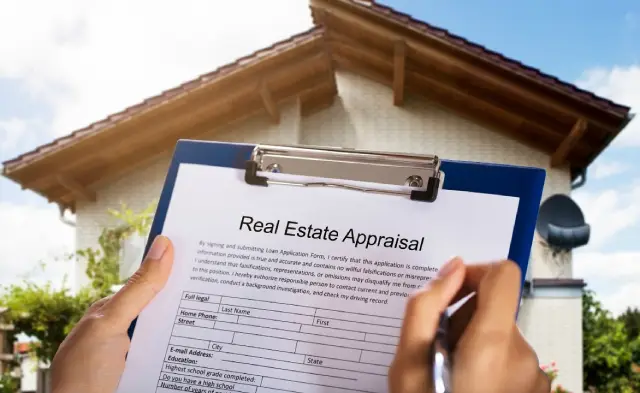
A Property Appraiser is a professional specializing in estimating the value of real estate properties for different purposes. They are responsible for conducting inspections, analyzing data and market trends, and using professional judgment to determine a property’s fair market value. Comprehensive appraisal reports are compiled, detailing information such as location, size, condition, age, and recent renovations. These professionals may work for government agencies, banks, private companies, or as independent contractors. Their services are essential in real estate transactions, land development, taxation assessments, and insurance claims, ensuring accurate and fair appraisals.
Read more: The Impact of Urbanization on Property Values in Ghana
How to make Real Estate Appraisal in Ghana?
- Education and Training
To become a property appraiser in Ghana, one must possess a degree or diploma in estate management, land economy, or a related field. After completing this education, aspiring appraisers should enroll in a professional program focusing on land valuation, property management, and estate agency, offered by universities like the University for Development Studies, Kwame Nkrumah University of Science and Technology, and the Ghana School of Surveying and Mapping. - Professional Certification
Obtaining professional certification from a recognized institution, such as the Ghana Institution of Surveyors (GhIS), is the next step after education. This involves completing a certification program, passing a licensing exam, fulfilling work experience requirements, and meeting ethical standards. Candidates seeking accreditation undergo rigorous training and must pass regulatory exams to practice as licensed estate surveyors. - Work Experience
Gaining work experience through internships or apprenticeships is essential for becoming a successful property appraiser. This experience provides insights into the practical aspects of property valuation and helps develop essential skills. - Networking
Building relationships with industry professionals, such as real estate agents and property managers, is crucial for identifying new business opportunities and staying updated on industry trends. - Keeping Up with Industry Developments
Property appraising is dynamic, with constantly evolving trends and legal requirements. Attending workshops and seminars is essential to stay informed about emerging technologies and tools used in property valuation.

The Difference Between Price and Value in Real Estate Appraisal in Ghana
Many people often use “price” and “value” interchangeably in property appraisal contexts. However, they have distinct meanings. Price refers to the amount an interested party is willing to pay for a property, while value represents the property’s monetary worth in the actual market.
Value is determined not only by the property’s features but also by external market factors such as supply and demand, economic indicators, current market conditions, and government policies. Thus, appraisers guide buyers and sellers toward making informed decisions based on value rather than solely on the price offered.
The Crucial Role of Real Estate Appraisal in Ghana Market
Home appraisals are vital in Ghana’s real estate transactions. Whether buying, selling, or refinancing a property, understanding the appraisal process is crucial. Here’s a guide to the key steps and considerations for home appraisals in Ghana.
What Is a Real Estate Appraisal in Ghana?
A home appraisal is an unbiased professional opinion of a property’s value. Conducted by licensed appraisers, it serves several purposes:
- Helps lenders determine safe lending amounts
- Protects buyers from overpaying
- Assists sellers in setting fair prices
- Often required for refinancing or home equity loans
In Ghana’s diverse real estate market, accurate appraisals are essential for maintaining market stability and preventing property bubbles.
The Real Estate Appraisal in Ghana: A Step-by-Step Guide
- Engaging an Appraiser
Choose a qualified appraiser registered with the Ghana Institution of Surveyors (GhIS). - Property Inspection
The appraiser examines the property’s condition, size, layout, recent renovations, and unique features. - Comparative Market Analysis
This involves researching recent sales of similar properties and analyzing current market trends. - Valuation Calculation
The appraiser calculates the property’s value using methods such as the Sales Comparison Approach, Cost Approach, or Income Approach. - Report Generation
A comprehensive report is compiled, including property details, photographs, and the appraiser’s professional opinion of value.
Exploring the Impact of Urban Green Spaces on Property Values in Ghana
Key Factors Influencing Real Estate Appraisal in Ghana
Several factors can significantly impact a property’s appraised value in Ghana:
- Location: The neighborhood greatly affects property value.
- Property Size and Layout: Efficient use of space is as important as size.
- Age and Condition: Recent renovations can boost value.
- Amenities and Features: Items like backup generators or solar panels can increase value.
- Legal Considerations: Clear titles and proper permits are crucial.
Challenges in Real Estate Appraisal in Ghana Process
Ghana’s unique real estate environment presents several challenges:
- Lack of Standardized Data: Comprehensive property sales data may be limited.
- Informal Settlements: These can be complex to appraise due to lack of documentation.
- Rapid Market Changes: Fast-paced development can outpace appraisal data.
- Currency Fluctuations: This can impact valuations, especially for high-end properties.
Conclusion: Navigating Home Appraisals in Ghana’s Dynamic Market
Understanding home appraisals is crucial for anyone involved in Ghana’s real estate market. The unique blend of traditional and modern elements, rapid development, and diverse property types contribute to a complex yet exciting real estate landscape.
As you navigate the Ghanaian property market, consider partnering with experienced professionals who understand local dynamics. VAAL Ghana, a leading real estate development company, offers high-quality properties across the country that exemplify Ghana’s growth and potential.
Remember, a professional appraisal is your compass in Ghana’s dynamic real estate market. Use it wisely to guide you toward successful property transactions in this exciting, ever-evolving country.
FAQs about Real Estate Appraisal in Ghana
How long does a typical Real Estate Appraisal in Ghana take?
The duration can vary, but typically, the on-site inspection takes about 1-3 hours, with the full report usually completed within a week.
Are there specific qualifications required for Real Estate Appraisal in Ghana?
Yes, appraisers in Ghana must be registered with the Ghana Institution of Surveyors (GhIS) and hold relevant qualifications in real estate or valuation.
How often should I get my property in Accra appraised?
While there’s no set rule, it’s generally advisable to get an appraisal every 3-5 years or before any major transaction or refinancing.
Can I be present during Real Estate Appraisal in Ghana?
Yes, homeowners can typically be present during the appraisal, which can be helpful to point out any special features or recent improvements.
How do currency fluctuations affect Real Estate Appraisal in Ghana?
Currency fluctuations can impact appraisals, especially for high-end properties often priced in US dollars. Appraisers in Accra need to consider exchange rates and their potential impact on property values.
Conclusion
In Ghana, the role of professional estate surveyors and values in property valuation is critical, given the importance of real estate properties as investment assets. Aspiring appraisers must have the necessary qualifications, training, and accreditation to practice in this field. They help determine property value, distinct from the price negotiated between buyers and sellers, ensuring reliable guidance for property decisions.
