
The Influence of Cultural Heritage on Real Estate Design in Ghana
Cultural heritage real estate design Ghana refers to tangible and intangible assets passed down through generations within a community or society. However, not everything from previous generations is considered “heritage”; it is defined by what society chooses to preserve and value.
Tangible heritage includes monuments, buildings, landscapes, books, archive materials, works of art, and artifacts. Intangible heritage consists of non-physical elements such as traditions, folklore, language, and knowledge. Natural heritage, which covers culturally important landscapes and biodiversity, also falls under Cultural heritage real estate design Ghana This term is frequently linked to the safeguarding of Indigenous intellectual property.
Ghana is celebrated for its rich traditions and Cultural heritage real estate design Ghana merous ethnic communities, making it an exceptional destination for cultural tourism. For example, the UNESCO World Heritage Sites like Elmina Castle and Cape Coast Castle serve as poignant reminders of the nation’s complex history, particularly the transatlantic slave trade. These landmarks not only commemorate the past but also contribute to the economy through tourism. Additionally, projects such as the Nzulezu Stilt Village in the Western Region showcase the distinctive architectural heritage of Ghana’s indigenous peoples. In Nzulezu, guided tours and local craftsmanship provide residents with sustainable sources of income.
Cultural heritage real estate design Ghana plays a crucial role in shaping real estate development by incorporating historical elements into modern urban environments. As cities grow and change, it becomes important to preserve historical buildings and sites, as this impacts the visual and cultural identity of communities, as well as their social and economic aspects. This blog will discuss how Cultural heritage real estate design Ghana could affect real estate specifically in Ghana.
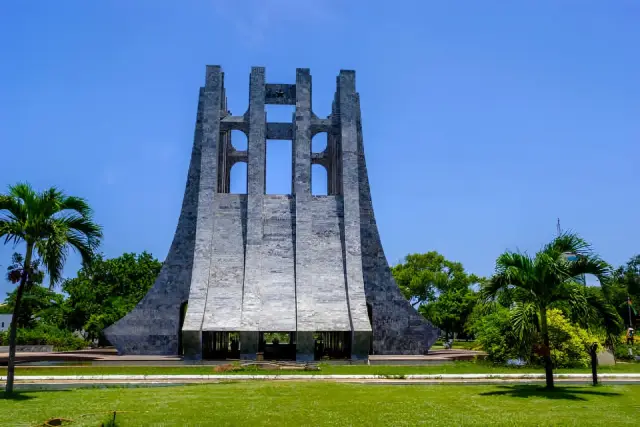
The Influence of Cultural heritage real estate design Ghana
Ghana, a country with a rich history and diverse culture, is located along the Gulf of Guinea. It is known for its beautiful beaches, vibrant cities, and rainforests. The region was home to powerful empires, such as the Ghana, Mali, and Songhai Empires, and later the Ashanti Kingdom, which played significant roles in trade and culture before British colonization in the late 19th century. Ghana, then known as the Gold Coast, experienced major changes under colonial rule, including the introduction of Christianity and Western education.
Led by Kwame Nkrumah, Ghana gained independence in 1957, becoming the first African country to break free from colonial rule. Post-independence Ghana saw periods of economic growth, decline, and military coups, but ultimately made strides towards democracy, now being one of Africa’s most stable countries.
Today, Ghana’s economy continues to grow, focusing on agriculture, mining, and oil. Social progress has been notable in healthcare, education, and gender equality. Culturally, Ghana is celebrated for its music, art, and welcoming nature, with popular national parks drawing tourists. The predominantly young population presents opportunities and challenges in education and employment. Despite advancements, Ghana still faces issues like poverty, inequality, corruption, and environmental challenges such as deforestation and climate change.
Furthermore, Ghana’s culture is vibrant and diverse, significantly shaped by its numerous ethnic groups. Storytelling is a popular form of entertainment, while traditional music and dance play essential roles in Ghanaian cultural life.
Natural factors, material and structural factors, economic structure, cultural structure, sociocultural factors, and lifestyles are factors that influence the formation of architecture.
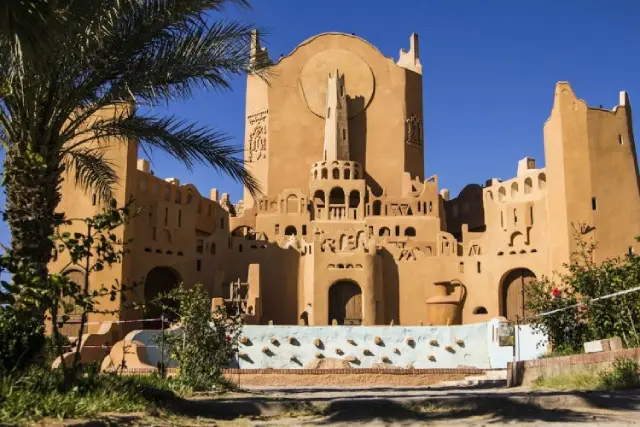
The Influence of Cultural heritage real estate design Ghana on Traditional architecture and design
Traditional housing styles in Ghana reflect the nation’s rich history, customs, and beliefs. Each style boasts unique features that distinguish it from the others. In this section, we will explore the various traditional housing types found throughout Ghana.
- Mud Houses: Mud houses are one of the oldest forms of traditional housing in Ghana. They are made from locally sourced materials like mud, clay, and straw. These homes are characterized by their earthy tones, including shades of brown and ochre for the exterior walls. Roofs are typically constructed from thatch or corrugated iron sheets. The thick walls provide natural insulation, keeping the interiors comfortable in both heat and cold weather.
- Wattle and Daub Houses: This style features a framework of woven thin branches (wattle), filled with a mixture of mud and straw (daub). The walls are often painted in vibrant colors like red, blue, or green, giving these homes a lively appearance. Decorative patterns on the exterior walls symbolize aspects of Ghanaian culture, adding an artistic touch to the design.
- Rectangular Compounds: A rectangular compound consists of several separate structures built around an open courtyard. Traditionally, these compounds accommodated extended families, allowing them to live together while maintaining privacy. Each structure serves a specific purpose, such as living quarters, kitchens, storage rooms, or guesthouses.
- Roundhouses: Commonly found among northern tribes like the Gurunsi people, roundhouses, or tukul homes, feature circular structures topped with conical thatched roofs supported by wooden beams known as thorns or crucks. The interiors often display geometric patterns created with colored mud mixed with cow dung.
- Stilt Houses: Typically situated in coastal regions prone to flooding, stilt houses are elevated on wooden or concrete pillars, accessible via ladder-like stairs. These homes often include balconies adorned with intricate latticework and colorful shutters, blending functionality with aesthetic appeal
- Fortified Houses: Originally constructed for defense against attacks from rival tribes, fortified houses feature thick walls made of mud or stone and small windows for protection. The narrow, low entrance doors make it challenging for invaders to enter, enhancing security
Explore: How to Plan a Custom Home Build in Ghana: A Step-by-Step Guide
Furthermore, the influence of modernization on traditional housing styles in Ghana has generated considerable interest and discussion. As the country progresses and becomes more urbanized, traditional architectural designs are gradually giving way to more contemporary styles. This shift can be attributed to various factors, including economic growth, changing cultural norms, and the growing influence of Western culture. One of the main outcomes of modernization is the introduction of new building materials, which have changed the construction methods and visual appeal of traditional homes.
Examples of real estate projects inspired by Cultural heritage real estate design Ghana
- Kuwait Cultural Centre (Kuwait City, Kuwait): This development showcases traditional Kuwaiti architecture while integrating modern amenities. The design incorporates elements such as wind towers (badgers) to enhance natural ventilation and preserve the Cultural heritage real estate design Ghana of the region.
- Sidi Bou Said Restoration Project (Tunis, Tunisia): This project aims to restore and preserve the historic village of Sidi Bou Said, known for its distinctive blue and white buildings. The initiative revitalizes the area while maintaining its cultural essence, promoting tourism and local crafts.
- Marrakech Medina Revitalization (Marrakech, Morocco): This project aims to preserve the historical architecture of the Medina, enhance infrastructure, and improve public spaces. It aims to enrich the cultural experience for residents and visitors while also supporting local artisans and businesses.
Explore: How to Choose the Right Architectural Styles in Ghana?
Conclusion
The influence of cultural heritage on real estate design in Ghana is profound and multifaceted. As the country continues to evolve economically and socially, the integration of traditional architectural elements into modern real estate projects becomes increasingly essential. These designs not only reflect the rich history and diverse cultures of Ghana but also foster a sense of identity and belonging within communities.
By embracing Cultural heritage real estate design Ghana, developers can create spaces that resonate with local traditions and values, ensuring that new constructions honor the past while accommodating contemporary needs. The successful blending of traditional and modern elements in real estate design not only enhances the aesthetic appeal of properties but also promotes sustainable practices and economic growth through cultural tourism.
As Ghana moves forward, it is vital to recognize the importance of preserving its architectural legacy, ensuring that future developments contribute to a vibrant, culturally rich landscape that benefits both current and future generations.
