
How the Oil and Gas Industry Affects Real Estate in Ghana?
Oil and gas real estate Ghana has grown since commercial production began in 2010, with the resultant rise in the country’s economy and investment. It offers big opportunities but comes with challenges such as environmental issues and how benefits can be sustained.
Furthermore, this boom has significantly affected many aspects. It has driven economic growth, increased employment, and developed infrastructure. The real estate sector is one of those that has benefited from increased demand for housing and commercial properties in oil-rich regions like Takoradi, driven by the influx of workers and businesses.
This ripple effect underlines this industry’s transformative role in shaping Ghana’s economy. In this blog, we will explore the relationship between oil and gas real estate Ghana.
Overview of oil and gas real estate Ghana
The oil and gas real estate Ghana drew great international attention with the 2007 discovery of the Jubilee Field, offshore from the Western Region. Commercial production was therefore considered a turning point in Ghana’s history to have started in 2010. Key oil-producing areas so far are the Tano Basin and Cape Three Points. Since then, fields like TEN (Tweneboa, Enyenra, Ntomme) and Sankofa have further boosted production. Production in Ghana has continued to increase, thereby growing government revenue and attracting investments, both local and international, while positioning the country as a key player in Africa’s energy market.
Hence, this growth has been a bedrock of the country’s economic transformation through revenue generation and foreign investment. This has catalyzed infrastructural development, ranging from transport networks to energy infrastructures while energizing allied industries such as construction and real estate. As the sector expands, its ripple effects continue to reshape Ghana’s economic landscape, creating opportunities and challenges in equal measure.
Economic Impacts and oil and gas real estate Ghana Growth
The oil industry is literally the backbone of the global economy, fuelling not just energy and transportation but a broad range of industries including beauty, pharmaceuticals, and even sports.
In medicine, cosmetics, and household goods manufacturing, oil by-products are indispensable. Even industries like roofing and sports industries depend on oil for their material and infrastructure provision. The oil industry innovates, creates jobs, and helps grow many industries other than energy production; it is important economically.
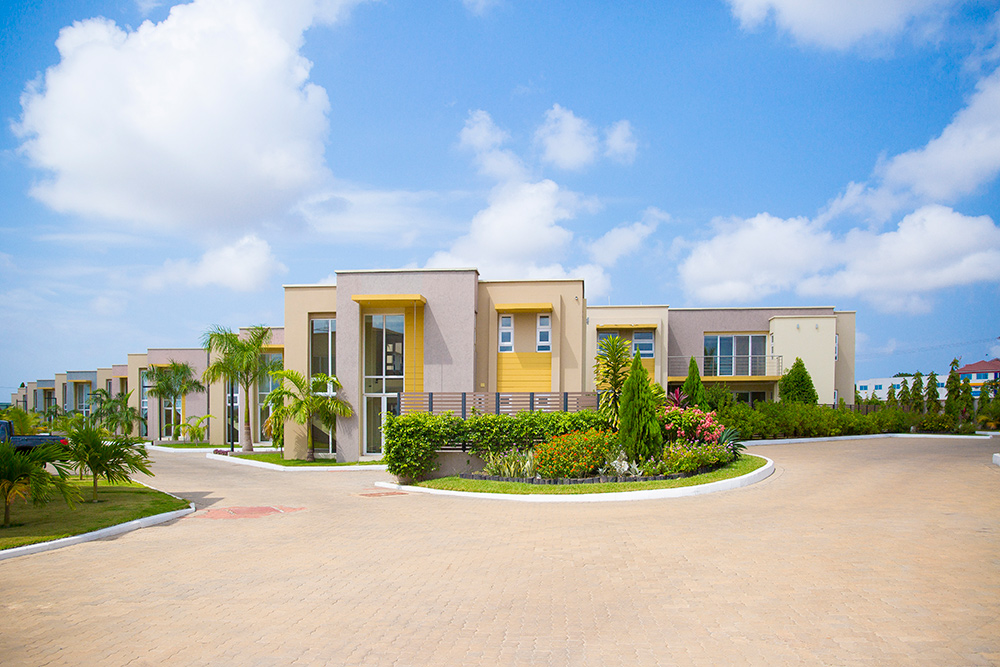
Moreover, the demand for residential and commercial properties in oil-rich regions such as Takoradi and Sekondi has increased. These regions, being the hub for oil exploration and production, have attracted an influx of workers, businesses, and expatriates.
This has triggered the demand for housing, ranging from executive apartments to cheaper dwellings for the local laborers. Also, commercial properties like offices, retail, and warehouses have become so much in demand to serve the growing economy and service sectors. This real estate boom illustrates how the oil sector has transformed these once-quiet coastal towns.
Speaking of real estate, the demand for high-end housing has been mostly driven by expatriate workers in Ghana’s oil-rich regions, such as Takoradi and Sekondi. Many international companies have set up shop in these regions, bringing with them several highly qualified professionals who need accommodation. These expatriates would look for modern, well-furnished homes with facilities like security, proximity to work sites, and leisure facilities, hence creating a very good market for luxury apartments and gated communities. This demand has encouraged investment in high-end residential developments, further boosting the local real estate market.
Explore: Mining industry impact on real estate in Ghana in 2025
Infrastructure Development on oil and gas real estate Ghana
Here are some key infrastructure projects in Ghana which have transformed Ghana’s Western Region, fueling both the oil sector and local economic growth:
- Port Expansion: The expansion of Takoradi Port to handle larger oil tankers and boost crude oil exports.
- Road Upgrades: Improvements to road networks, particularly between Takoradi and Sekondi, to support oil industry logistics.
- Power Infrastructure: Expansion of energy facilities to meet the oil sector’s growing demand, including new power plants and substations.
- Real Estate Developments: Construction of premium residential and commercial properties to accommodate expatriates and businesses.
- Industrial Parks: Development of oil service hubs and industrial parks to support the oil supply chain and create jobs.
These have enhanced the demand for high-class houses and office buildings, especially among expatriates and experts in the oil industry. The development of the industrial parks has also fueled this economic boom, with its high property values and attractions to investors.
Exploring the Impact of Urban Green Spaces on Property Values in Ghana
Challenges in oil and gas real estate Ghana Market
This uneven development has resulted from the growth of oil-producing regions like Takoradi and Sekondi. While such areas have improved in infrastructure and appreciated in property value, other areas without the same oil endowments have lagged in terms of development. This disparity therefore brings to the fore the need for more balanced investment and policies to spur growth equitably across the country.
Other potential risks like housing price inflation, environmental issues, or overdependence on the oil sector are also challenging points in this sector.
Additionally, this has placed a strain on local resources and infrastructure in the region due to the rapid growth experienced in oil-rich regions like Takoradi and Sekondi. Growing demand for housing, transportation, and services has driven traffic congestion, water shortages, and power inconsistencies. The local infrastructure and manpower are battling to keep pace with the growing population, hence the need for further investment in sustainable development.
Opportunities for Investors in oil and gas real estate Ghana
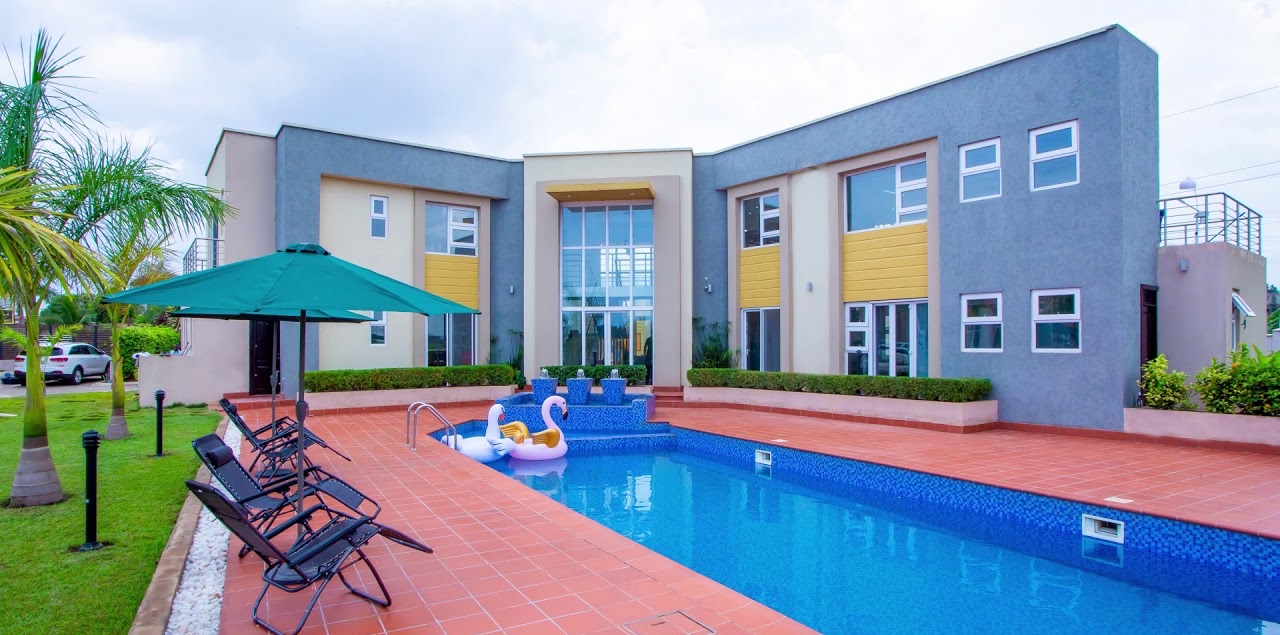
The presence of oil and gas resources in a region can drive up property values due to the economic opportunities they bring. However, the environmental effects of these activities can be extensive, affecting the value, appeal, and viability of property development. Furthermore, infrastructure development, which often accompanies oil and gas exploration, plays a key role in shaping the direction of real estate growth in these areas.
Conclusion
This sector has greatly influenced the Ghana real estate market, where the Western Region, especially the two cities of Takoradi and Sekondi, has emerged as the center of demand for both residential and commercial property. It is this industry growth that brought about economic transformation, thus attracting expatriates, businesses, and investors who have all contributed to the increasing demand in the real estate market in one way or another. The boom in infrastructure and development presents numerous opportunities, but there is uneven regional growth and a lot of strain on the local resources.
Investors continue to find the prospects of oil and gas real estate Ghana both exciting and full of potential risks. In a maturing sector, relationships between infrastructure development, property demand, and environmental concerns must be duly understood. Investors can explore the emerging opportunities from the oil and gas sector and, at the same time, contribute toward sustainable and balanced development in the Ghana real estate market by prudently negotiating these complexities.
