
Comparing Urban vs. Rural Property Investments in Ghana
In the constantly changing landscape of real estate investment, choosing between Urban vs Rural Property Ghana is a crucial decision for investors. Factors such as shifts in work dynamics, demographic changes, and varying economic conditions offer distinct advantages and challenges for each option.
Urban areas typically provide better access to amenities, job markets, and services, while rural investments often come with lower costs and the potential for growth in less saturated markets. Understanding these differences is essential, as they can significantly impact the outcomes of investment strategies over time.
In Ghana, cities like Accra and Kumasi are experiencing rapid development, which is attracting both local and foreign investors. The urban population is growing, leading to an increased demand for residential and commercial properties. Factors such as improved infrastructure and the rise of technology hubs are enhancing the appeal of urban investments.
At the same time, there is a noticeable shift toward rural property investments. Many individuals are seeking tranquility and more affordable living options outside the bustling city centers. Rural areas are becoming attractive for agricultural ventures, eco-tourism, and residential projects, as more people look for space and affordability. Additionally, efforts to promote rural development, such as improving road networks and offering incentives for investors, are playing a significant role in this trend.
Comparing Urban vs rural property Ghana
Urban investments in real estate refer to properties located in city environments, characterized by their proximity to essential amenities such as supermarkets, public transport, schools, and job opportunities, making them appealing to both investors and tenants. These areas generally experience high demand due to a diverse population and thriving businesses, leading to increased rental income and lower vacancy rates. Urban properties often present substantial potential for capital growth and attractive rental yields, along with a more liquid market that allows for quicker transactions.
However, they come with challenges like high entry costs, market volatility, regulatory hurdles, and lifestyle trade-offs such as noise and limited outdoor space, which may deter some investors. Overall, urban real estate offers lucrative opportunities but requires careful consideration of the associated risks and market dynamics.
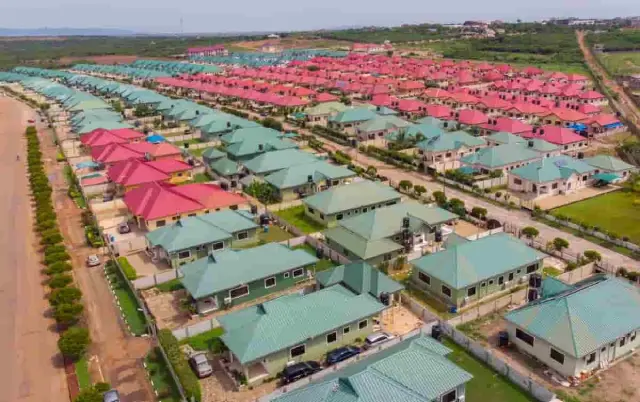
benefits of investing in urban properties in Ghana
Urban real estate investments target properties located in city areas, which are valued for their proximity to amenities such as shops, transportation, schools, and job opportunities. This high demand often results in increased rental income and lower vacancy rates, providing strong potential for capital growth and attractive rental yields. Urban markets typically offer greater liquidity, enabling quicker property transactions. However, investors face several challenges, including high entry costs, market volatility, regulatory complexities, and lifestyle drawbacks such as noise and limited outdoor space. Overall, while urban properties can offer lucrative opportunities, they also necessitate careful risk assessment.
challenges in Urban Property Investments in Ghana
- High entry costs: The vibrant urban landscape comes with a price tag. Investors may face steep upfront costs, including higher purchase prices, taxes, and maintenance expenses.
2. Competition and market volatility: Urban markets can be fiercely competitive – particularly in major cities such as Sydney and Melbourne – leading to fluctuations in property prices and rental demand, which may pose challenges for investors seeking stability. - Regulatory challenges: Investors of urban properties may need to navigate strict building codes, zoning regulations, and rent control laws. Additionally, urban properties may require more frequent maintenance and repairs due to a higher tenant turnover.
- Lifestyle trade-offs: While urban living offers convenience and access to amenities, it often comes with congestion, noise, and higher living expenses, which may deter some investors. Urban properties often have limited outdoor space and less privacy compared to rural opportunities. This can be a drawback for some renters and buyers, particularly families with children or those who value outdoor living.
Exploring the Impact of Urban Green Spaces on Property Values in Ghana
Overview of rural property investments in Ghana
Rural real estate refers to properties located in quiet, countryside areas, far from the hustle and bustle of urban life. These properties are known for their tranquility and spaciousness, making them perfect for individuals seeking privacy and relaxation. Rural real estate includes a variety of assets, such as farms, agricultural land, and residential homes.
benefits of rural property investments in Ghana
Rural properties generally have lower entry costs, making them more accessible for investors with limited funds due to their reduced purchase prices and operating expenses. Although they may appreciate more slowly than urban properties, strategic investments in emerging rural markets can lead to substantial long-term gains, allowing investors to acquire multiple properties and expand their portfolios. Additionally, rural areas often experience less competition, enabling investors to negotiate better deals and maintain greater control over their investments. Furthermore, there are usually fewer regulatory restrictions in rural areas, providing property owners with more flexibility for development and expansion.
challenges of rural property investments in Ghana
- Limited rental demand: Rural properties may have difficulty attracting tenants, resulting in lower rental yields and longer vacancy periods, which can affect cash flow.
- Smaller market: Selling rural properties might take more time due to reduced demand and a smaller pool of potential buyers, potentially tying up investors’ capital for extended periods.
- Limited economic opportunities: Rural investments are often more affected by fluctuations in local industries, such as agriculture, tourism, or manufacturing, which can impact property values and rental demand.
- Limited access to amenities: A potential drawback of rural properties is their reduced access to amenities, services, and job opportunities, which can impact convenience for both investors and tenants.
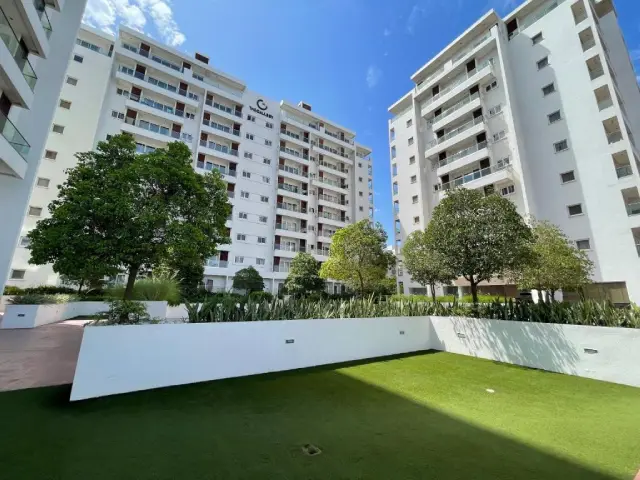
Comparing Urban vs rural property Ghana
Market Demand: Urban areas are favored for their high rental yields and rapid property appreciation, driven by job concentration and amenities. Key advantages include:
- Higher Rental Yields: Strong housing demand leads to increased rental prices.
- Appreciation Potential: Infrastructure improvements and limited space enhance property values.
- Market Liquidity: Urban properties have active markets, allowing for quick transactions.
However, investors face challenges such as high entry costs, stiff competition, and stringent regulations. Conversely, rural investments are gaining traction, particularly with remote work trends, highlighted by:
- Lower Entry Costs: More affordable prices make rural properties accessible.
- Growing Demand: Remote work boosts interest in rural and recreational properties.
- Less Competition: Fewer investors enable better negotiation opportunities.
Drawbacks for rural properties include slower appreciation, limited rental markets, and fewer amenities, which can deter buyers.
Property Appreciation and Value: Urban properties typically appreciate at around 3.8% annually, driven by strong demand, while rural properties often experience slower growth. However, the current interest in rural areas suggests potential long-term gains. The evolving preferences post-pandemic are expected to influence appreciation rates in both markets.
Rental yields: Urban properties typically provide higher rental income and yields due to strong demand linked to proximity to jobs and amenities, leading to elevated rental prices. Despite the higher initial costs and competition, this demand often results in greater tenant turnover, increasing management responsibilities.
In contrast, rural properties tend to offer lower rental rates, but they allow for better negotiation and often have lower vacancy rates due to less competition. While urban investments may yield quicker returns, rural properties may appeal to investors prioritizing affordability and long-term stability. Ultimately, the choice depends on the investor’s goals and the current market conditions.
Explore: The Impact of Urbanization on Property Values in Ghana
Conclusion
The decision to invest in Urban vs rural property Ghana depends on individual investment goals and market conditions. Urban properties often provide higher demand, rental yields, and significant potential for appreciation, making them an attractive option for those seeking quick returns and liquidity. However, these properties also come with challenges, such as high entry costs and intense competition.
In contrast, rural properties offer unique opportunities for investors looking for affordability, space, and lower competition. While they may appreciate more slowly and face challenges like limited rental demand, the recent shift towards remote work and lifestyle changes have increased interest in rural investments, creating potential for long-term gains.
Ultimately, understanding the distinct characteristics of Urban vs rural property Ghana will help you make informed decisions that align with your financial objectives. Whether you choose to invest in bustling cities or the serene countryside, being strategic about the best time to enter the market is crucial for maximizing your investment’s potential.
