
Top Factors Affecting Land Prices in Ghana’s Coastal Regions
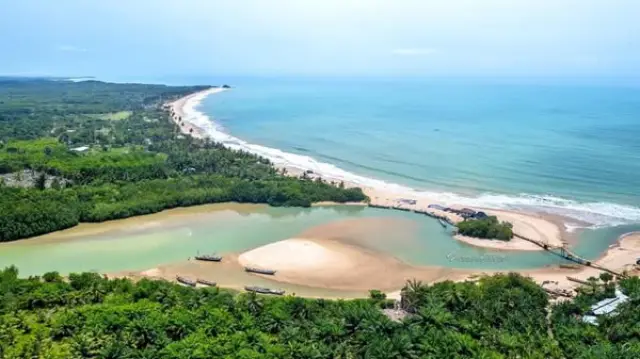
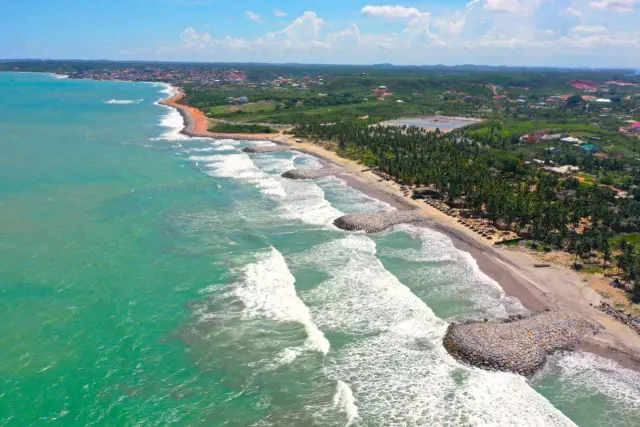
Land prices coastal Ghana is incredibly important for many reasons—economically, environmentally, and culturally. For many communities, the fishing industry is a lifeline, and the Land prices coastal Ghana are vital to this way of life. The stunning beaches and historical sites also draw visitors, which helps boost local economies and brings communities together.
Environmentally, these coastal zones are more than just pretty landscapes; they play a key role in preserving biodiversity and act as natural shields against storms and erosion. They’re home to beautiful mangrove ecosystems and provide habitats for countless species. On a cultural level, the coast holds a special place in the hearts of local people, with traditions and practices intricately tied to the sea and its resources.
As development and urbanization continue to shape Land prices coastal Ghana, it’s essential to prioritize sustainable practices. This way, we can protect these precious ecosystems while still enjoying the benefits they bring to our communities.
Understanding the factors that influence land prices is crucial for making informed real estate investments. Key factors include local market dynamics, economic indicators, and demographic trends, which help investors identify the best times to buy or sell land for optimal returns.
External influences, such as government policies, infrastructure developments, and environmental considerations, also significantly affect land valuation. For instance, improved transportation can enhance accessibility and increase land value, while awareness of zoning laws can help avoid unexpected costs. Additionally, social factors, such as community needs, can guide development to better meet market demand. By grasping these elements, investors can effectively seize opportunities and mitigate risks.
Explore: Top Places to Buy Property in Ghana for Nature Lovers
Economic factors of Land prices coastal Ghana
- Overview of economic growth: Ghana’s economic situation significantly impacts land prices, especially through GDP growth and foreign investment. As the economy improves and GDP rises, the demand for land—particularly in urban areas where economic activities are concentrated—increases, leading to higher prices. Moreover, foreign investments enhance competition for land, as investors seek opportunities in sectors such as real estate and agriculture, further driving up prices. Understanding these economic factors is crucial for potential investors and stakeholders in Ghana’s real estate market.
- Employment opportunities: Job creation in Land prices coastal Ghana significantly increases the demand for land. As industries like tourism, fishing, and shipping expand, they create employment opportunities that attract people to these regions. This influx of residents raises the need for both residential and commercial properties, leading to higher land prices. Additionally, infrastructure development often coincides with job growth, improving accessibility and making coastal land more desirable. Enhanced roads and amenities further stimulate demand, creating a cycle where economic activity boosts interest in land investment. Understanding this dynamic is essential for investors and policymakers who aim to capitalize on the growth potential of Land prices coastal Ghana.
- Infrastructure development: Infrastructure development is essential for a nation’s growth and progress. By investing in infrastructure, we can stimulate property development, which in turn increases land values. Enhanced infrastructure opens up previously inaccessible land for development, promoting urban expansion and sustained growth.
Environmental factors of Land prices coastal Ghana
- Climate change: Climate change factors can worsen the effects of natural disasters. For example, hurricanes intensify due to higher temperatures and increased evaporation, while rising sea levels lead to more severe storm surges, causing greater coastal flooding and erosion. This highlights the need for resilient infrastructure to combat these impacts.
- Natural disasters: Flooding and erosion significantly influence buyer interest and property values. Homes in flood-prone areas often face reduced demand and lower prices due to perceived risks, along with higher insurance costs and strict lending requirements. In contrast, properties with strong flood defenses or in safer zones may retain or increase their value, making it vital for investors to understand these risks.
- Coastal resources: Natural resources such as fisheries and minerals significantly boost land desirability. Areas rich in fisheries attract fishing businesses, enhancing local economies and increasing land demand. Similarly, mineral-rich regions see investments and job creation, driving real estate interest. Improved infrastructure from resource exploitation can make land more accessible, though buyers should also weigh the environmental impacts on long-term land use. Thus, the availability of these resources is key to local property markets and economic growth.
Regulatory factors of Land prices coastal Ghana
- Land use policies: Government regulations and zoning laws play a crucial role in shaping land development potential and pricing. They dictate land use and density, often leading to compliance costs that can deter developers. Stricter regulations may limit project types and affect supply, particularly in sought-after areas. While stable regulations promote market predictability, frequent changes create uncertainty, influencing land values and investor interest. Understanding these factors is essential for informed investment decisions.
- Ownership rights: Land tenure systems are vital for influencing market confidence and land prices by determining ownership and usage rights. Secure land rights boost investor confidence, leading to higher demand and property values, while insecure tenure can deter investment and suppress prices due to risks of disputes. In Ghana, the mix of customary and statutory ownership creates complexities; unclear rights may hinder development, whereas areas with defined rights tend to attract more investment and experience stronger market growth. Understanding these systems is essential, as they significantly affect property values and economic progress.
Social factors of Land prices coastal Ghana
- Population growth: Increasing population density in Land prices coastal Ghana drives up land demand and prices as more people move there for jobs and amenities. This heightened demand leads to greater competition for land, often resulting in higher property values and stimulating development. However, it also strains local resources and raises environmental concerns, impacting long-term sustainability. Investors and developers must consider these demographic trends to navigate the evolving real estate landscape effectively.
- Cultural and community values: Local traditions and the allure of coastal living significantly impact land prices. Land prices coastal Ghana often hold cultural importance, drawing buyers interested in a lifestyle that embraces community values and natural beauty. Traditions such as fishing and local festivals enhance the area’s desirability, driving up demand and prices. Moreover, the recreational and aesthetic benefits of coastal living—like access to beaches and vibrant local cultures—encourage higher property values, as buyers are willing to pay a premium for such experiences.
Explore: Beachfront Properties for Sale in Ghana
Market trends and Land prices coastal Ghana
- Recent sales trend: Recent transactions in Land prices coastal Ghana regions show a vibrant real estate market, spurred by urbanization and population growth. The market is projected to reach around $458.5 billion by 2024, with residential real estate leading the sector. There is a notable increase in developments for vacation homes and hospitality properties, reflecting Ghana’s rising profile as a tourist destination. These trends indicate a diverse range of offerings and a positive outlook for investors, underscoring the ongoing transformation of Land prices coastal Ghana landscape.
- Investment trends: Coastal properties attract investors for several reasons, including strong appreciation rates, high rental income potential, and the appealing lifestyle they offer. Limited supply and high demand contribute to rapid value increases, while properties can generate significant rental income, especially during peak seasons. Their versatility allows for use as primary homes or rental investments, and they often come with tax benefits. Access to amenities and resilience against market downturns further enhance their attractiveness, making coastal real estate a compelling investment opportunity.
Conclusion
The factors affecting Land prices coastal Ghana are complex and multifaceted. Economic growth, employment opportunities, and infrastructure development play pivotal roles in shaping demand and pricing dynamics. Environmental concerns, particularly those related to climate change and natural disasters, add layers of complexity that potential investors must navigate carefully.
Regulatory frameworks, including land use policies and ownership rights, significantly influence the market’s stability and investor confidence. Social factors, such as population growth and cultural values, also contribute to the desirability of coastal land, driving up prices as more individuals seek to establish roots in these vibrant areas.
As Land prices coastal Ghana continue to develop, understanding these factors will be crucial for investors looking to make informed decisions in this dynamic market. By recognizing the interplay between economic, environmental, regulatory, and social influences, stakeholders can strategically position themselves to capitalize on the opportunities that arise, ultimately contributing to the sustainable growth of coastal land prices in Ghana.
