
The Growth of Airbnb in Ghana: Opportunities and Challenges
Over the past decade, Airbnb has rapidly expanded in Ghana, providing a wide range of services from cultural immersion experiences to urban comforts and beachside retreats. This growth isn’t just serving tourists; it’s also creating new avenues for local hosts and communities to thrive.
The rise of Airbnb opportunities in Ghana has significantly impacted Ghana’s rental landscape, reshaping traditional rental markets and bringing a wave of new opportunities and challenges for property owners, tourists, and the hospitality sector.
A Booming Market in Ghana
Airbnb opportunities in Ghana has been gaining attraction, catering to business and leisure travelers as well as locals looking for unique accommodations. Tourists are drawn to Ghana’s rich cultural heritage, stunning landscapes, and historic sites, with Airbnb serving as a bridge between visitors and authentic local experiences. From Accra’s vibrant city life to the serene beaches of Cape Coast, Airbnb opportunities in Ghana offer diverse options tailored to various preferences and budgets.
One of the primary reasons behind this growth is the increasing number of tourists visiting the country. Ghana’s tourism sector is on the rise, partly fueled by initiatives like the Year of Return in 2019, which invited the African diaspora to explore their roots. The country saw an influx of visitors during this period, and platforms like Airbnb were at the forefront of offering flexible accommodations that traditional hotels couldn’t always provide.
Impact on the Traditional Long-Term Rental Market
The introduction of Airbnb opportunities in Ghana Market has significantly influenced traditional long-term rentals. This shift is reshaping how property owners approach their rental strategies. Some notable impacts of Airbnb on the traditional rental industry include:
-
Supply and Demand Dynamics
Listing Airbnb opportunities in Ghana offers owners the advantage of tapping into both short-term and long-term rental markets. By leveraging Airbnb, hosts can access diverse rental opportunities, from a few nights’ stay to several months. This flexibility enables them to maximize revenue by accommodating short-term guests and those seeking longer stays, such as business travelers or digital nomads. Property owners who were once restricted to long-term leases now have a new avenue for generating income.
-
Price Competition
With Airbnb’s presence, property owners can strategically position themselves in the market by offering short-term and long-term rental options. This creates healthy competition with traditional rentals, which could drive up standards and lower costs for tenants in the long run. Additionally, the option of listing on Airbnb enables hosts to adjust pricing based on seasons or peak periods like festivals, public holidays, and tourist seasons, which is a flexibility that conventional rental agreements lack.
-
Flexibility for Landlords
Airbnb presents an opportunity for landlords to diversify their income streams. Landlords can capitalize on higher short-term rental prices during peak seasons and switch to longer-term rentals during off-seasons, thus reducing the risk of vacancy and income loss. This dual approach also means landlords can earn a steady income while exploring new ways to enhance their properties to suit both markets.

Airbnb opportunities in Ghana for Property Owners
Airbnb opportunities in Ghana growth has unlocked new opportunities for property owners in Ghana. As the market continues to mature, both new and experienced hosts can tap into these benefits:
-
Alternative Income Streams for Locals
In regions like Accra, Cape Coast, and Kumasi, locals are leveraging Airbnb to earn additional income, especially during peak tourist seasons. For some hosts, it’s more than just a side hustle; it’s a full-fledged business. Locals offering rooms or entire homes are helping bridge the gap between tourists and authentic cultural experiences. This exchange helps visitors understand Ghana’s rich heritage while boosting the local economy.
-
Expanding Hospitality Beyond Traditional Hubs
With the Airbnb platform, tourists are no longer limited to the typical tourist hubs. Travelers are exploring hidden gems, rural areas, and coastal towns that are off the beaten path. As a result, lesser-known regions are experiencing increased economic activity, encouraging local businesses, tour guides, and artisans to flourish. This trend also reduces overcrowding in major cities and spreads the benefits of tourism across the country.
-
Promoting Cultural Exchange
Staying with local hosts provides a unique opportunity for cultural immersion. Airbnb opportunities in Ghana has led to a surge in experiential offerings, where tourists can participate in activities like cooking traditional Ghanaian dishes, exploring local crafts, and attending community events. Such experiences not only enrich the travel experience but also create deeper connections between visitors and locals.
Explore: The growing trend of Airbnb rentals in Accra in 2025
Challenges for Airbnb opportunities in Ghana
While Airbnb opportunities in Ghana presents promising opportunities, it’s not without its challenges. Some of the notable hurdles include:
-
Regulatory Uncertainty
As Airbnb continues to gain momentum, the lack of clear regulations around short-term rentals could lead to potential issues. In many countries, authorities are introducing policies to ensure that Airbnb listings comply with safety standards, tax regulations, and zoning laws. In Ghana, implementing such policies might be a challenge, especially in rural areas where local governance may be limited.
-
Infrastructure Gaps
Despite the improvements in infrastructure in major cities like Accra, some areas still face challenges with reliable electricity, water supply, and internet connectivity. These limitations can impact the quality of Airbnb stays, particularly in remote or developing regions. Addressing these infrastructure gaps is crucial to sustaining the growth of the short-term rental market.
-
Competition with Traditional Hotels
As Airbnb listings continue to grow, traditional hotels and guesthouses may face increased competition. This dynamic could push hotels to either lower prices or enhance their offerings to remain competitive. For smaller hotels and guesthouses, the challenge of staying relevant in a market dominated by Airbnb may require innovative strategies.
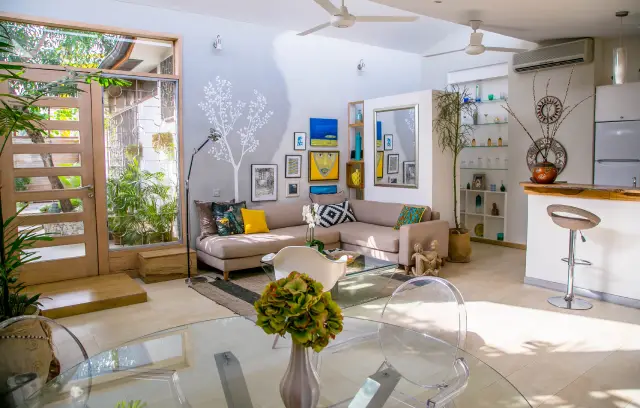
The Future of Airbnb opportunities in Ghana
Looking ahead, Ghana’s Airbnb sector appears poised for continued growth. Technological advancements, infrastructure improvements, and strategic tourism initiatives are likely to play key roles in shaping this market. For instance, the government’s focus on improving road networks and internet connectivity can open new avenues for hosts in lesser-known regions. Additionally, as Ghana positions itself as a prime destination for cultural tourism and eco-tourism, Airbnb could serve as a platform to promote these experiences.
However, stakeholders must also consider the long-term implications of Airbnb’s influence on the local rental industry. If not regulated appropriately, the surge in short-term rentals could potentially drive up housing costs in popular areas, impacting local residents who rely on affordable long-term housing. Establishing a balanced regulatory framework will be essential in fostering a healthy coexistence between Airbnb, traditional rentals, and the local community.
Read about: The Impact of Ghana’s Cultural Festivals on Short-Term Rental Markets
Conclusion
The growth of Airbnb opportunities in Ghana is reshaping the country’s rental market, offering new opportunities for property owners, hosts, and tourists alike. With its ability to provide unique and immersive travel experiences, Airbnb is increasingly becoming a preferred choice for visitors. While challenges such as regulatory concerns and infrastructure gaps persist, the future of Airbnb opportunities in Ghana looks bright, especially with ongoing developments in tourism and technology. As the sector evolves, it will be crucial for stakeholders to find a balance that supports both short-term and long-term rental needs, ensuring sustainable growth for all.
