
Understanding Leasehold vs Freehold Properties in Ghana
Deciding between owning or renting property in Ghana is not an easy task. Individuals and investors need to understand the differences between Leasehold vs freehold properties in Ghana and temporary ownership (leasehold) to make the right decision. Each option has advantages and challenges that affect financial stability and flexibility in investing.
Deciding to Leasehold vs freehold properties in Ghana is a big challenge and individuals or investors must understand the laws governing the ownership or rental of properties in Ghana and know the difference between Leasehold vs freehold properties in Ghana. Each option has its advantages and challenges that individuals must be aware of to make the right decision.
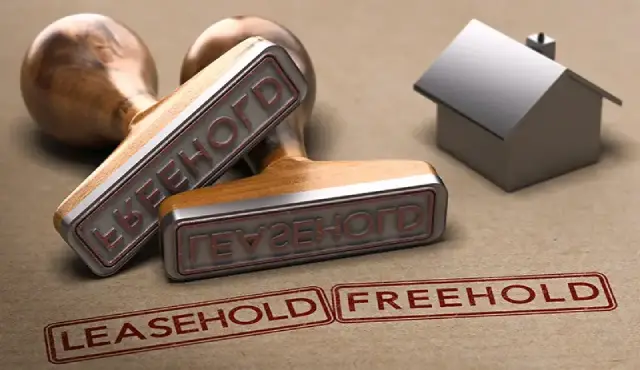
The difference between Leasehold and Freehold Properties in Ghana
1. Initial expenses
- Renting: requires a small down payment such as a security deposit and sometimes several months in advance.
- Owning: requires a large down payment with additional costs such as legal fees and registration fees.
2. Financial obligations
Renting: has the flexibility to terminate or change the contract, with a short-term financial obligation.
Owning: a long-term obligation through loans or immediate payment.
3. Repairs and maintenance
- Renting: the property owner is responsible for repairs and maintenance.
- Owning: repairs and maintenance are the full responsibility of the owner.
4. Investment value
- Rent: Over time, it does not provide the tenant with the opportunity to benefit from the increase in the financial value of the property.
- Ownership: It can lead to the accumulation of assets and increase the financial value of the property over time.
5. Stability or instability
- Rent: It suits people who prefer to move or people who are not settled in a certain place.
- Ownership: It provides long-term stability and psychological comfort.
6. Fees and taxes
- Rent: It includes some costs such as utility bills, but without property taxes.
- Ownership: The owner bears property taxes and annual fees.
You can also read about The Impact of Ghana’s Cultural Festivals on Short-Term Rental Markets – ENMAA
Advantages of both Leasehold vs Freehold Properties in Ghana, we will say:
First: Owned properties
- It is considered a long-term investment
- The value of the property can increase over time, allowing for the opportunity to make profits when resold.
- Full ownership provides financial stability and is considered a tangible asset that can be inherited for future generations.
- Full control over the property
- Allows modifications and improvements to suit your needs and taste.
- The property can also be rented out and generate additional income.
- Financial stability and security
- It gives a sense of long-term stability, especially in light of the fluctuations of the rental market.
After paying off the mortgage (if any), monthly costs are significantly reduced.
Second: Leasehold properties
- It does not require you to pay a large down payment as in the case of purchase, but rather a monthly rent or an annual payment.
- Save money to use in other investments or personal projects.
- It is suitable for individuals who prefer to move between different cities within Ghana or change residence based on work.
- It does not require a long-term commitment, which provides greater flexibility in the event of changing economic or social conditions.
- The owner usually bears responsibility for maintenance and major repairs.
- The tenant only contributes to minor expenses, such as water and electricity bills.
- But which is more suitable for you, Leasehold vs freehold properties in Ghana?
- When you think about choosing between buying or renting, you should know the difference between Leasehold vs Freehold Properties in Ghana.
The decision depends on several factors, such as your financial income, your plans, and your lifestyle.
When is renting right for you?
Renting is suitable for you if you are one of the people who like to move between cities, whether for trips, work or study
Suitable for temporary workers or expatriates who do not intend to stay long.
If you do not want to take out a loan or a long-term financial commitment
The advantages of renting are that:
- It does not require you to commit to paying a large amount as a down payment or getting involved in a mortgage.
- It saves you money to invest in another project or to build savings for you and your family.
- The owner bears all major maintenance costs for you, saving you the burden of repairs.
How do you know that buying is right for you?
- Buying a property provides you with stability, especially if you are taking your family with you and intend to build a future in Ghana
- Buying helps you if you are looking for a future investment. With the high demand for real estate in Ghana, especially in urban areas such as Accra and Tema, the value of the property may increase, which secures you a profit when selling or renting it.
- You can make improvements and modifications to the property according to your needs without restrictions.
The impact of Leasehold vs freehold properties on your real estate investments in Ghana
Ghana is one of the most developed real estate markets in West Africa and offers great opportunities for investors. However, the decision between renting and owning has significant implications for returns and investment strategies and you need to differentiate and know the difference between Leasehold vs Freehold Properties in Ghana, Here we will discuss how each option can affect your real estate investments.
Advantages of fully owned properties in Ghana
- When you own a property, its value can increase over time due to the economic and urban development in Ghana.
- Owning requires a large down payment or taking out a loan, which can restrict liquidity.
- Owning is ideal if you are targeting long-term returns and long-term financial stability.
- The property can be rented out to provide a steady income. In some areas such as Accra and Kumasi, the demand for rentals is high due to population growth.
- Owning guarantees investors a permanent asset that can be mortgaged or sold in the future.
Advantages of renting properties in Ghana
- Instead of freezing capital in a property, the money can be allocated to various investments.
- Renting eliminates major maintenance and repair costs that the owner may incur. – Renting is suitable for those looking for short-term investments or those who prefer to move quickly between different investment opportunities.
- Renting gives the investor the flexibility to choose new locations or expand quickly into different projects without committing to a specific property.
The difference between Leasehold vs freehold properties in Ghana
- If you are targeting areas with future growth, such as residential projects on the outskirts of major cities, ownership may be a better decision.
- If investing in the retail sector or startups, renting may be the best option to reduce operating costs. Economic factors affecting renting and full ownership of real estate in Ghana
- You should pay attention to real estate taxes that may affect returns whether you own or rent.
- Markets in Ghana are affected by the development of infrastructure and demand for housing, which requires constant monitoring of the market.
Therefore, deciding between owning and renting depends on your investment goals and the targeted period. Ownership provides stability and long-term construction of assets while renting gives you greater flexibility and the ability to move quickly between investment opportunities. It is always advisable to conduct a thorough feasibility study of the local market and understand the economic factors before deciding to ensure that you get the most out of your investment in the real estate market in Ghana.
What to know about the risks of renting or owning real estate in Ghana?
After we talked about the advantages of both Leasehold vs freehold properties in Ghana, we still need to note some of the disadvantages or risks of each of them

Risks of owning a property in Ghana
- Owning requires a large payment or obtaining a loan, which limits liquidity.
- The owner is responsible for maintenance, taxes, and repairing damages.
- Declining real estate prices may lead to losses if the value of the property decreases.
- Selling the property may take a long time in case of urgent need for funds.
Risks of renting real estate in Ghana
- Rents may increase over time, which increases operating costs.
- The tenant may face restrictions from the landlord regarding the development or modification of the property.
- In the case of renting, no assets or long-term investments are created.
- In the event of the expiration of the lease or a change in policies, the tenant may be asked to vacate at an inappropriate time.
Here are some tips on how to make the right decision in Ghana:
- If you are looking for long-term returns and permanent assets, owning is the best option. However, if you need flexibility and ease of moving between opportunities, renting is the best option.
- For commercial investments or start-ups, renting provides greater flexibility. While residential or development investment may require ownership to benefit from increased value.
- Owning requires a long-term financial commitment while renting reduces risks and costs in the short term.
Finally, we clarify that real estate investment in Ghana requires a careful study of the local market and a careful analysis of risks and returns.
Whether you choose to rent or own, success depends on understanding your investment goals and your ability to manage risks effectively.
Read more: How to Renovate and Flip Properties in Ghana for Profit?
Enmaa’s Relationship with Ownership and Leasing in Ghana
Enmaa is a leading provider of real estate investment solutions in Ghana, facilitating individuals and investors to make informed decisions between ownership and leasing. Enmaa helps its clients evaluate market opportunities, whether through purchasing properties in promising areas such as Accra and Tema or Leasehold vs freehold properties in Ghana suitable for residential or commercial needs.
With its expertise in the Ghanaian market, Enmaa provides comprehensive advice on risk management and maximizing returns on investment, making it a trusted partner for anyone looking for stability or flexibility in real estate.
The choice between owning or renting a property depends on your financial goals and lifestyle needs. Owning provides long-term stability and asset building, while renting provides greater flexibility and the opportunity to move between opportunities easily. Researching the market and understanding economic factors is key to making the best decision.
FQs about the difference between Leasehold vs freehold properties in Ghana
1. What is the main difference between Leasehold vs freehold properties in Ghana?
Owning provides long-term stability and a scalable asset while renting provides flexibility without long-term commitments.
2. When is renting the best option?
Renting is suitable for those who prefer to move for work or study purposes or who do not want to make long-term financial commitments.
3. What is the main benefit of owning property in Ghana?
Owning property allows for appreciation over time and the possibility of additional income from renting or selling later.
